

Food Safety Focus (233rd Issue, Dec 2025) – Article 1
Keeping Food Safe During Holiday Gatherings
Reported by Ms. Melva CHEN, Scientific Officer,
Risk Communication Section, Centre for Food Safety
As the year draws to a close, many people are planning office functions, family dinners, and friends' gatherings. Many households will order some dishes and prepare others themselves. These occasions often call for food safety as the meals share several risk-enhancing features: they are diverse and may include high-risk cold or raw items; many are prepared in large batches well ahead of time; foods may sit out for long periods during the gathering; and some dishes such as whole turkeys, oversized fish and lobsters are usually cooked only for special occasions, meaning home cooks may be less familiar with safe preparation. Below are the key risks to note:
Risk to Note #1: Cooking Challenging Dishes
Unfamiliarity with proper thawing and cooking times for dishes like whole turkeys, large roasts, stuffed poultry, steamed oversize fish or stir-fried lobsters increases the risk of undercooking and cross-contamination.
Reducing Risks:
Plan so that things do not get rushed or flustered. Follow manufacturer instructions carefully, especially for thawing and cooking frozen turkeys. Use trusted recipe sources such as reputable cookbooks or credible online platforms. Use a food thermometer to ensure the thickest part reaches 75°C. Keep everything clean and avoid cross-contamination, especially from surfaces that touched raw meat, poultry or seafood. Wash vegetables and fruit before handling seafood, and clean the sink afterwards.
Risk to Note #2: Preparing Large Batches Too Far in Advance Without Proper Temperature Control
Large batches take longer to cool, leaving food in the temperature danger zone (4-60°C) where bacteria multiply quickly. This raises the risk of Clostridium perfringens in meats, gravies, curries, stews and lo-mei, and Bacillus cereus in rice and noodles—two common causes of party-related food poisoning, as these bacteria are able to form spores that can survive cooking and then germinate and multiply in warm environments.
Reducing Risks:
Bring foods like soups and stews to a rolling boil to ensure they reach 75°C or above. Keep cooked food above 60°C before serving, or cool within two hours by dividing into shallow containers, improving air circulation, or using an ice-water bath. Refrigerate promptly and reheat thoroughly.
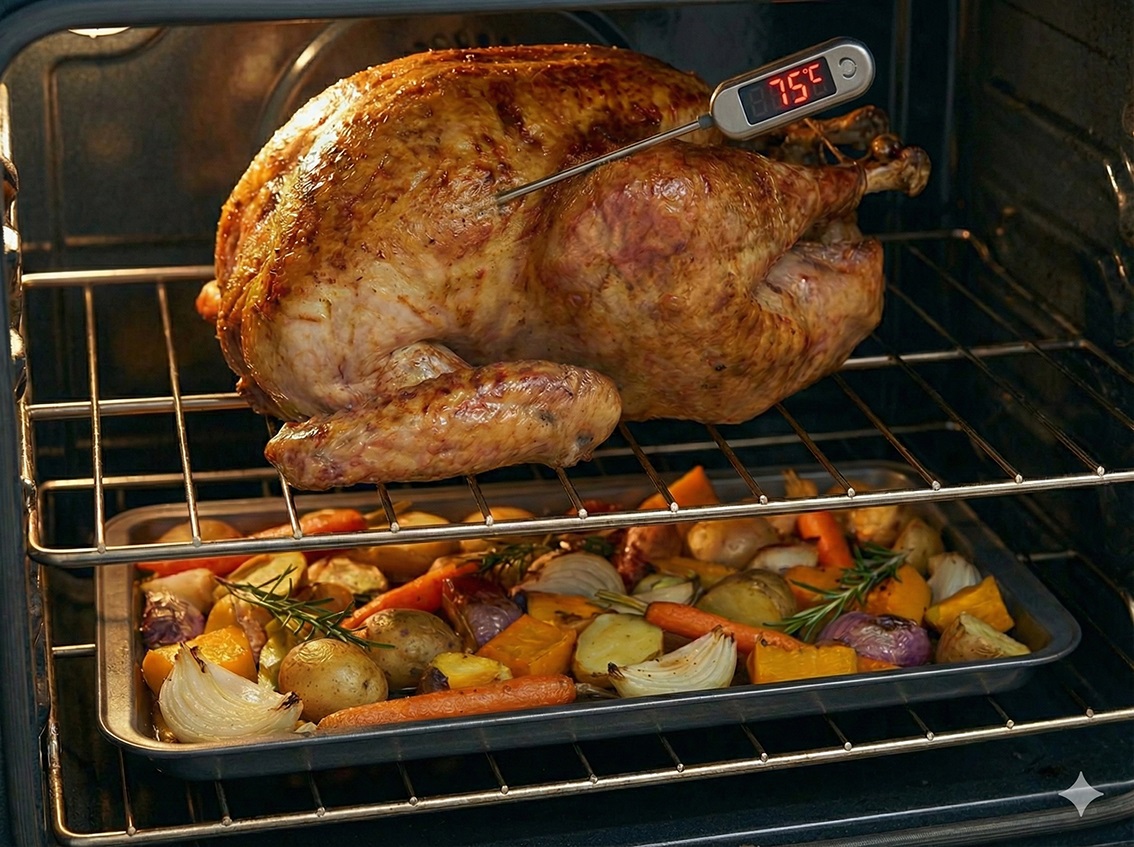 Use a thermometer to ensure the thickest part reaches 75°C or above. |
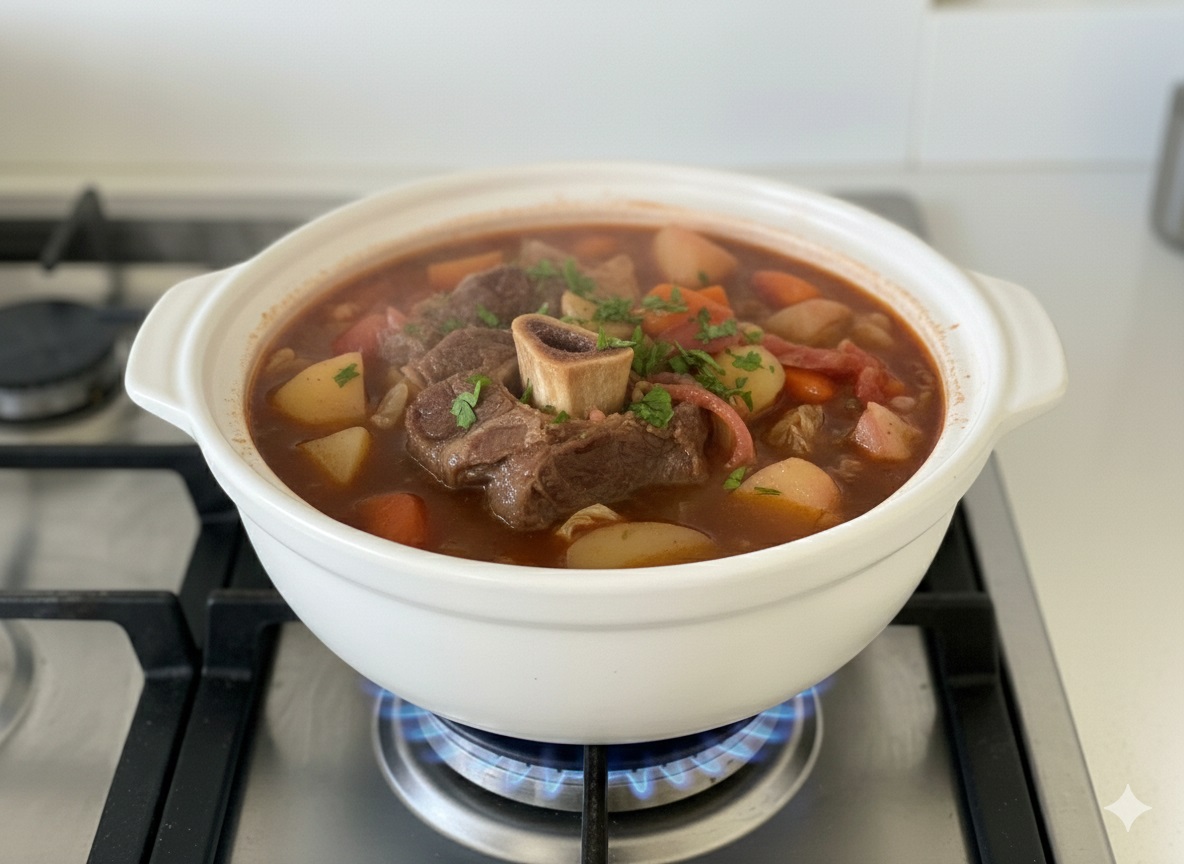 Hot food should be held at above 60°C. |
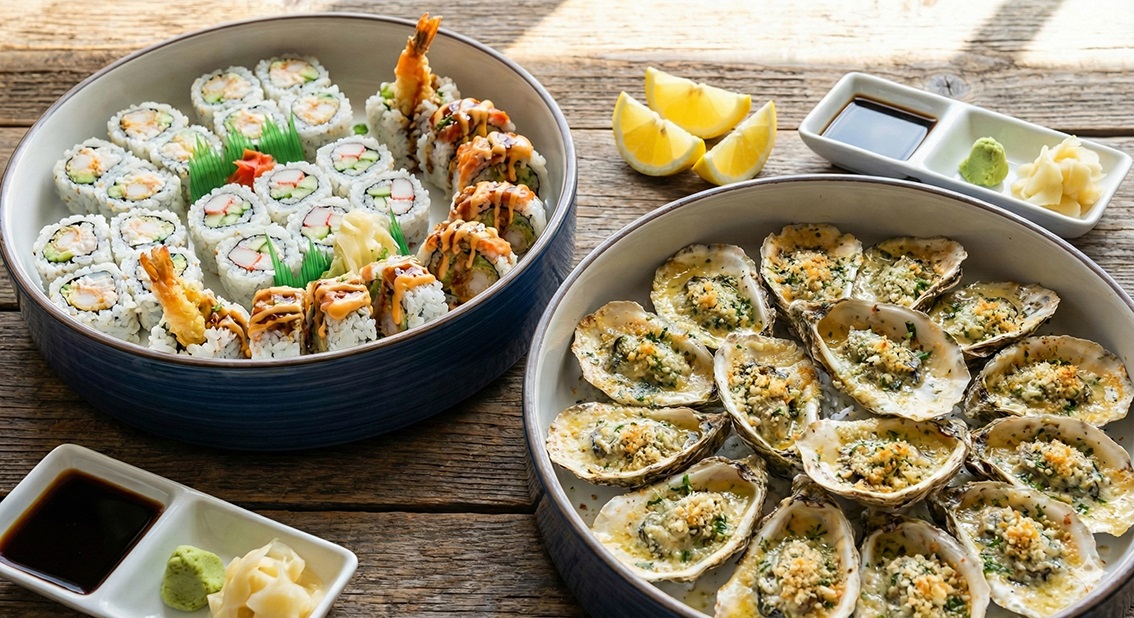 Baked oysters and seaweed rolls with cooked ingredients are safer options. |
 Use pasteurised eggs for dishes containing raw or undercooked eggs. |
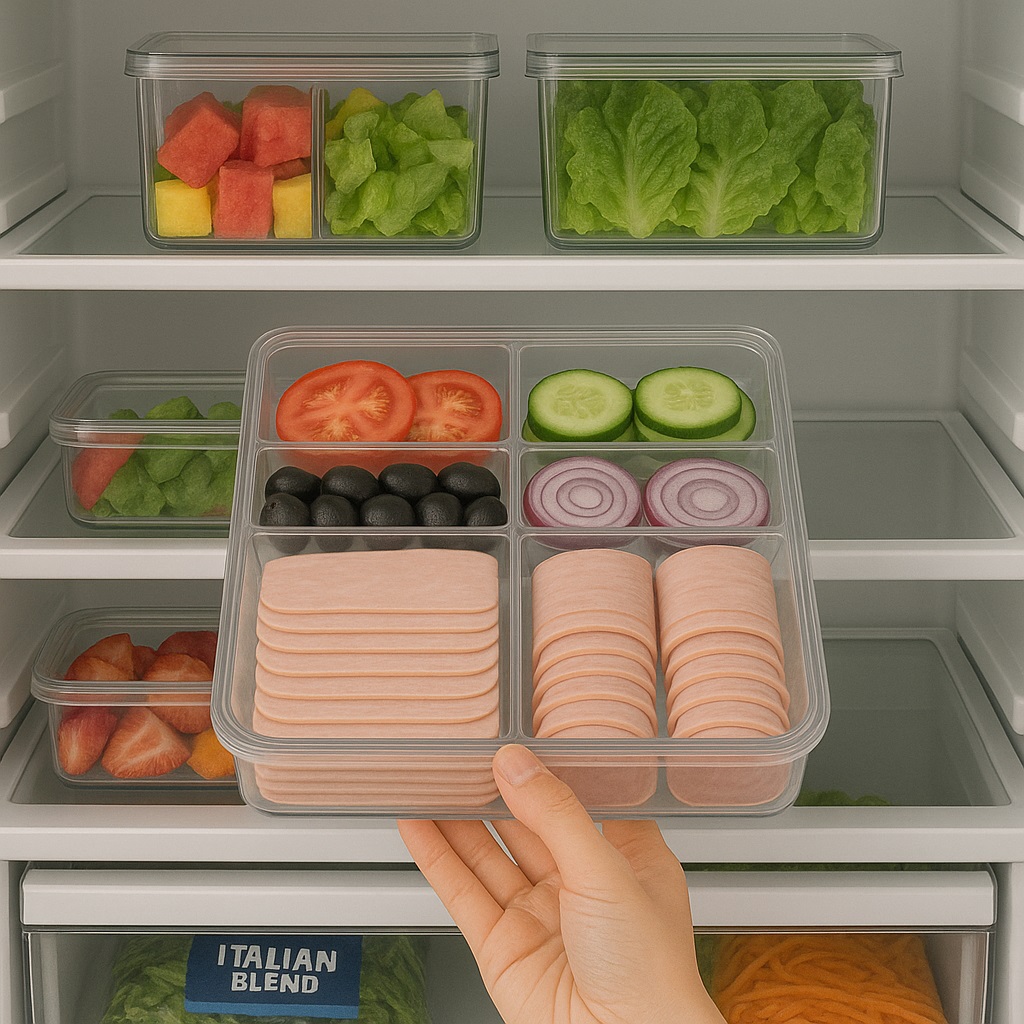 Keep cold dishes and salads at or below 4°C before serving. |
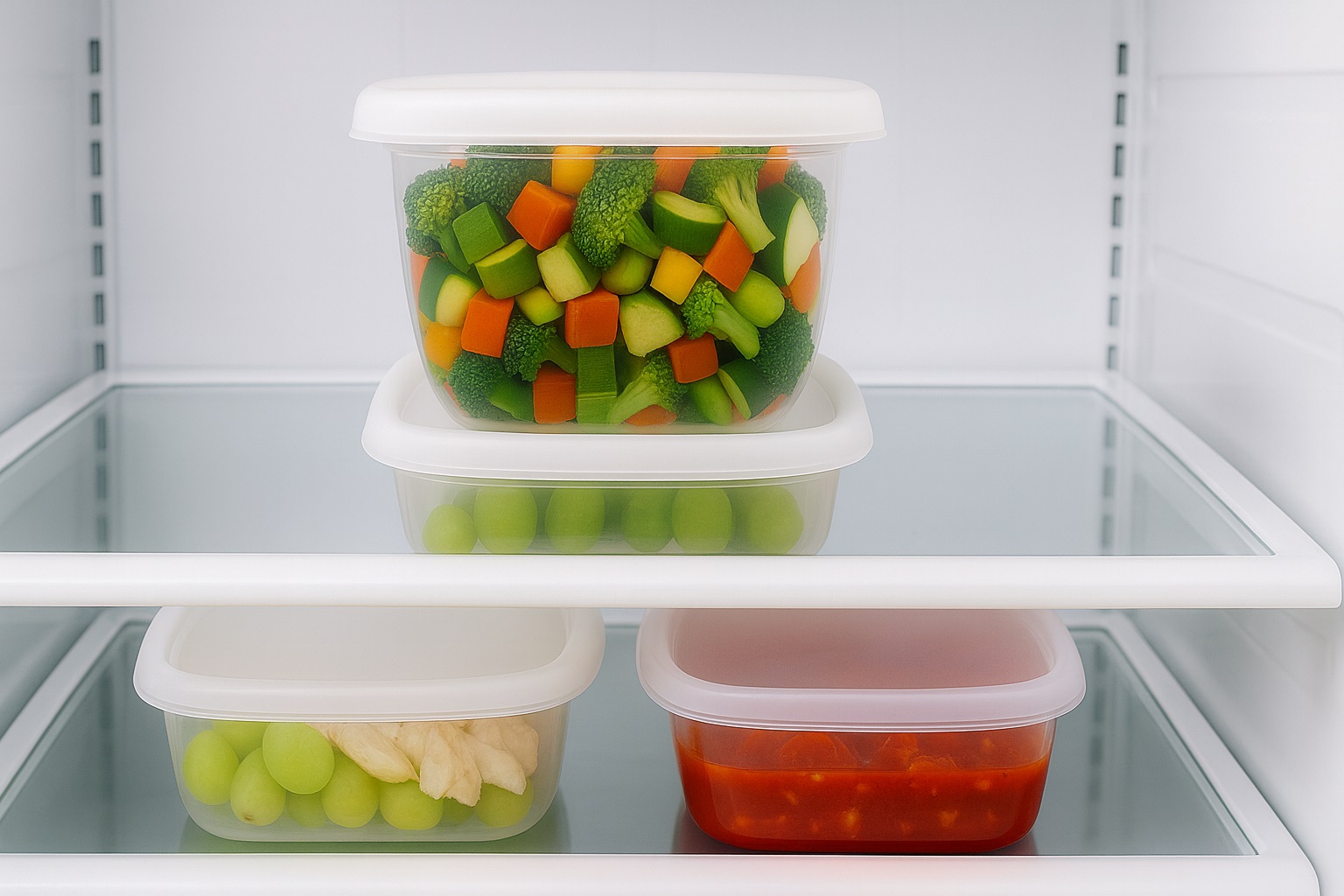 Leftovers should be stored in lidded containers in the refrigerator. |
Figure 1: Risk reducing recommendations
Risk to Note #3: Serving Raw or Undercooked Seafood
Sushi, sashimi and raw oysters carry inherent risks. They may contain pathogens such as Vibrio parahaemolyticus, Listeria monocytogenes, norovirus, hepatitis A and hepatitis E.
Reducing Risks:
Choose safer options such as baked oysters or seaweed rolls with cooked ingredients. Avoid raw seafood for susceptible groups (pregnant women, young children, the elderly and the immunocompromised).
Risk to Note #4: Using Raw or Lightly Cooked Eggs in Dishes
Tiramisu, mousse, homemade mayonnaise, Caesar dressing, egg sandwiches and eggnog often involve raw or lightly cooked eggs, which may contain Salmonella.
Reducing Risks:
Use pasteurised eggs or choose recipes that fully cook the egg components.
Risk to Note #5: Leaving Cold Dishes on the Table for Too Long
Cold dishes like salads and sandwiches involve peeling, cutting and mixing but no heat step to destroy bacteria. If mishandled, cross-contamination may occur—for example, Staphylococcus aureus from hands. When foods sit out too long, cold items warm up and allow bacteria to grow.
Reducing Risks:
Wash hands thoroughly, keep cold dishes refrigerated until serving, serve promptly, and discard food left at room temperature for more than four hours.
Tips for Purchasing and Ordering Delivery
Purchase food from reputable vendors. Premises selling restricted foods (raw oysters, sushi, sashimi, siu-mei and lo-mei) should have the required licences or permits. Choose pasteurised or fully cooked egg dishes. When receiving ordered foods, check that the packaging is intact, hot foods are warm and cold foods are chilled. If not consumed immediately, refrigerate and reheat thoroughly.
Handling Leftovers
Store leftovers in clean, lidded containers and refrigerate within two hours. Reheat thoroughly before eating and avoid reheating more than once. Discard any leftovers kept in the fridge for more than three days.
Attention to these practices helps keep meals safe.