


Food Safety Focus (233rd Issue, Dec 2025) – Article 2
Understanding Perchlorate in Food
Reported by Ms. Iris CHEUNG, Scientific Officer,
Risk Assessment Section, Centre for Food Safety
Perchlorate is an endocrine-disrupting chemical that disrupts thyroid function by inhibiting iodine uptake, which is crucial for producing thyroid hormones essential for metabolism and development. Its presence in drinking water and food, along with its persistence in the environment from sources like agricultural fertilizers and industrial waste, has increased awareness of its health risks. This article aims to shed light on what perchlorate is, its potential health effects, and whether it poses a significant health risk to the local population.
What is Perchlorate?
Perchlorate is a chemical that exists both naturally and from human activities. It forms naturally in the atmosphere and in certain minerals, but also comes from industrial products like rocket fuels, fireworks and agricultural fertilizers. When these materials are not stored or disposed of properly, perchlorate can enter the environment.
Perchlorate dissolves readily in water and does not adhere to soil, allowing it to travel quickly through groundwater, rivers and lakes over long distances. Its chemical stability prevents it from evaporating, so it tends to stay in water systems for long periods.
How Perchlorate Enters Our Food
Plants absorb perchlorate through their roots when grown in affected soil or irrigation water, causing it to build up in crops like leafy vegetables and fruits. Animals may also ingest it through tainted water or feed, potentially transferring it to products like milk. For people, primary exposure occurs through food (such as vegetables, fruits, grains, milk and tea) and drinking water that have been exposed to contaminated sources.
The Health Effect of Perchlorate
When perchlorate is ingested, it is rapidly absorbed into the bloodstream and distributes throughout bodily flu-ids, including blood serum, urine and breast milk. The human body efficiently eliminates over 90% of ingested perchlo-rate within hours through urinary excretion. However, excessive level of perchlorate may pose significant health risks, especially for vulnerable populations such as pregnant women, young infants and individuals with iodine-deficient diets.
One major concern is that perchlorate can temporarily reduce iodine absorption in thyroid cells – the gland that regulates the growth and metabolism in our bodies. Iodine is essential for producing thyroid hormones. Normally, iodine enters thyroid cells through dedicated pathways. However, because perchlorate closely resembles iodine chem-ically, it can block these pathways when present in high levels. This interference may lead to reduced levels of thyroid hormones in the blood, resulting in a condition known as hypothyroidism.
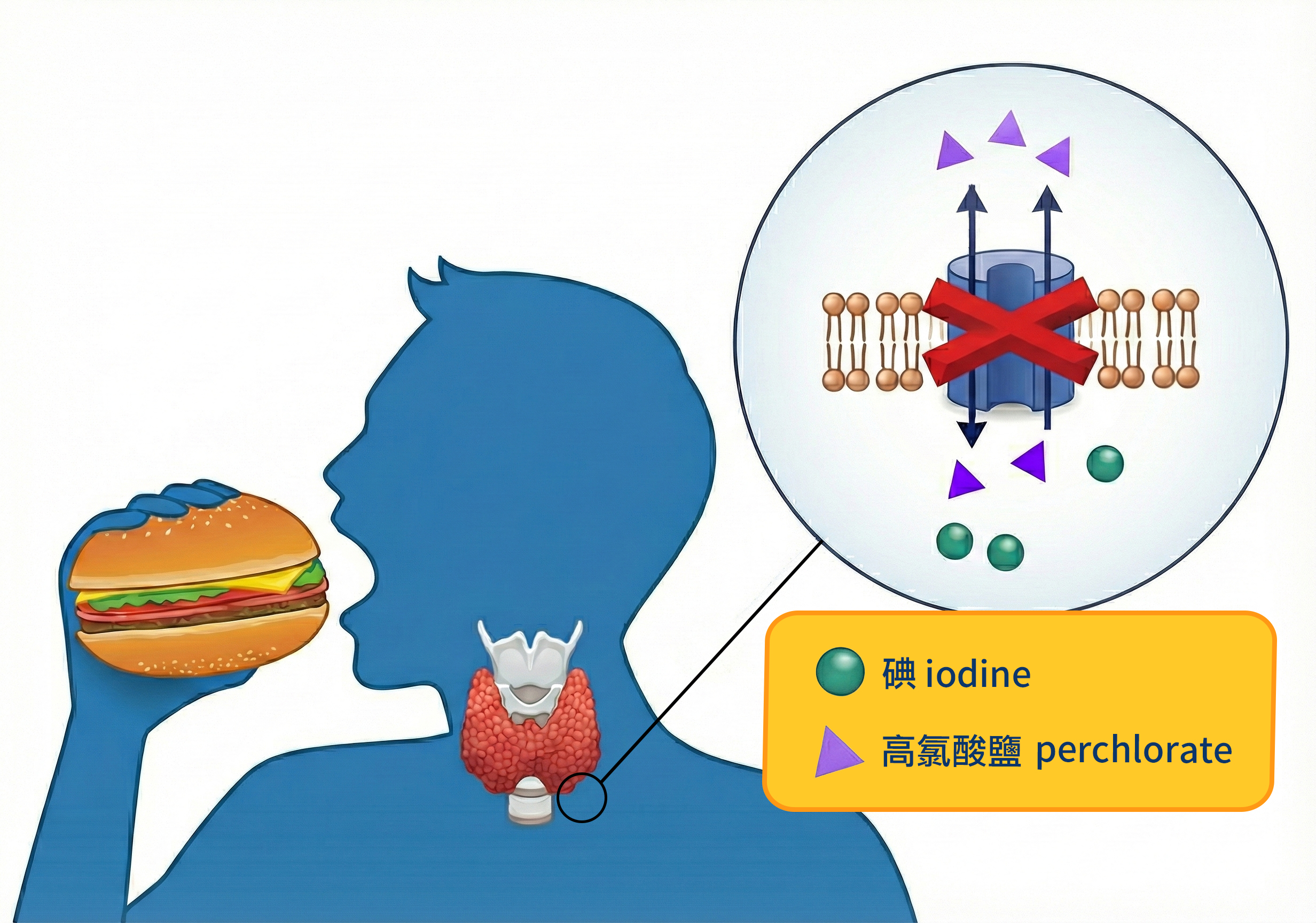
Figure 2: Simplified representation of perchlorate interference of iodine absorption
The potential health effects of perchlorate become especially important for vulnerable subgroups when exposure exceeds typical dietary levels. Insufficient thyroid hormone production can be particularly serious for developing babies, infants and young children because these hormones are vital for normal brain development and healthy physical growth. In adults, low thyroid hormone levels can disrupt metabolism and impair various bodily functions, including those of the heart, digestive system, muscles and reproductive organs.
Are We at Risk?
International food safety organisations such as the Joint Food and Agriculture Organization / World Health Organization Expert Committee on Food Additives (JECFA) and the European Food Safety Authority (EFSA) have evaluated the safety of perchlorate and established health-based guidance values (HBGV) for perchlorate based on the inhibition of iodine uptake in human.
In Hong Kong, the Centre for Food Safety (CFS) previously conducted a risk assessment study on perchlorate in tea leaves and tea beverages, and concluded negligible health risks from perchlorate exposure through these commodities. Given the attention perchlorate received abroad in earlier years, the CFS has selected perchlorate as one of the testing parameters in the Second Hong Kong Total Diet Study (2nd HKTDS). Study results indicate that the dietary exposures to perchlorate for Hong Kong adult and younger population remain well below the HBGVs set by international organisations and do not pose a health risk.
To reduce any risks from perchlorate exposure, people are encouraged to eat a balanced and varied diet. This not only helps keep your overall health in good shape but also lowers the chances of being exposed to contaminants like perchlorate from eating just a limited range of foods.