


Food Safety Focus (229th Issue, August 2025) – Article 1
Food Safety for Susceptible Populations
Reported by Mr. Arthur YAU, Scientific Officer,
Risk Communication Section, Centre for Food Safety
Food safety is crucial for everyone, but susceptible populations are more at risk from foodborne illnesses. Pregnant women, infants, young children, the elderly, and individuals with weakened immune systems face particular health challenges. This article will discuss these unique risks and provides guidance on safer food choices and preparation practices.
Pregnant Women
Pregnant women undergo hormonal and immune changes that increase their susceptibility to foodborne diseases. Listeria infection during pregnancy can seriously affect foetal development and may lead to miscarriages. Women planning to be pregnant, as well as those who are pregnant or breastfeeding, should avoid large predatory fish and their products, which may contain high level of methylmercury. Methylmercury can harm the developing nervous system of the foetus and young children. However, it is important to ensure adequate iodine intake for healthy growth and neurological development.
Infants and Young Children
Infants and young children are particularly vulnerable due to their developing immune systems. With less acidic stomach acid than that of adults, their stomachs are less effective in fending-off harmful bacteria from food. Food poisoning can lead to severe dehydration in young children, which is particularly dangerous given their smaller body size, and may result in kidney failure or even death. Therefore, they should not consume raw or undercooked food.
Additionally, infants under one year old should not be given any food that contains honey, as it may contain spores of Clostridium botulinum . The spores can germinate in an infant’s underdeveloped digestive system, releasing toxins that may cause severe muscle weakness and can be fatal.
Excessive nitrate intake from foods like vegetable purees can also pose risks. Nitrate in vegetables can be converted to nitrite by bacterial or enzymatic actions. The resulted nitrite can cause the rare blue baby syndrome. To minimise the risk, it is recommended that weaning starts at six months of age. Parents should properly store and prepare vegetables for older infants, with emphasis placed on cooking vegetables soon after chopping and consuming purees immediately, to lower the risk of excessive nitrite intake.
Young children, with limited chewing and swallowing abilities, are also at risk of choking. Mitigation measures include cutting food into smaller pieces, softening hard vegetables by cooking, supervising mealtimes, encouraging good posture while eating, and teaching children to chew slowly and swallow carefully.
The Elderly and People with Weakened Immunity
As people age, their immune systems can weaken. Older adults may be more vulnerable due to chronic diseases, such as diabetes, or as a result of treatments. Others with weakened immunity (e.g., those with liver or kidney diseases, autoimmune diseases, HIV infections, or those undergoing treatments like chemotherapy or organ transplants) are at heightened risk for infections, making foodborne illnesses particularly dangerous.
High-risk Foods are not for Susceptible Populations
To reduce the risks, susceptible populations should be cautious about high-risk food, as consumption may lead to life- threatening outcomes. The elderly should pay attention to foods with risks of suffocation. These include food that are small and do not dissolve easily (e.g., small, hard, round, oval foods, foods with skins or leaves, compressible foods, thick pastes, fibrous and stringy foods). Individuals with swallowing difficulties should seek medical advice from relevant experts for special dietary arrangements.
Safer Alternatives for Susceptible Populations
Susceptible populations should avoid raw or undercooked seafood (including sushi, smoked salmon), eggs (including sunny- side-up eggs, scrambled eggs, partly boiled eggs, omelettes or dressings and desserts made with raw eggs), undercooked meats (including pork liver and minced meat), soft cheeses (e.g., Feta, Brie, Camembert), blue cheeses and cheeses made from raw milk. These items are more likely to harbour foodborne pathogens. Pregnant women should also avoid cold ready-to-eat foods (e.g., cold cuts, pate, prepared salads, seed sprouts) due to the risk of Listeria contamination.
Instead, opt for thoroughly cooked seafood (including canned varieties) and meats, fully cooked eggs (eggs with solid yolks or pasteurised eggs used), cheeses made with pasteurised milk, and freshly washed vegetables. Consume only thoroughly cooked and reheated meals, along with properly prepared vegetables and pasteurised dairy products to eliminate harmful microorganisms. In addition, practise Five Keys to Food Safety at home as an effective way to prevent foodborne illnesses. By being aware of these risks and following safe food practices, vulnerable groups can better protect themselves and ensure a healthier lifestyle.
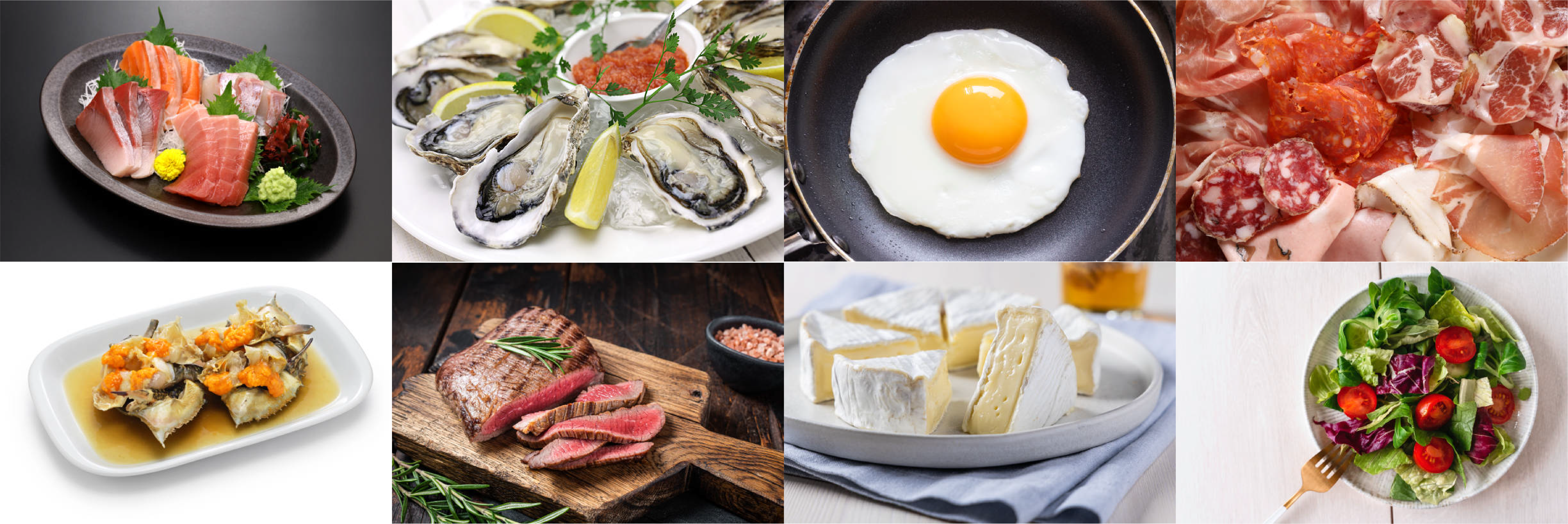
Figure 1: Members of susceptible populations should avoid consuming raw or undercooked food, or food that has been chilled for an extended period