
Feature Article
Choking Risks Associated with Konjac Jelly: What You Need to Know
While any food can pose a choking hazard, certain firm, small items that do not dissolve easily, such as mini-cup konjac jellies, may present a higher risk if not consumed properly, especially for young children and the elderly. This article aims to outline measures to mitigate the choking risks associated with konjac jelly.
Choking Risks of Mini-cup Konjac Jellies
Konjac, also known as conjac, konnyaku, yam flour, glucomannan, or by its INS number Note 1 425 (E425), is a common ingredient in jelly products. The Codex Alimentarius Commission (Codex) considers konjac a safe additive, permitting its use as a thickener, emulsifier, stabiliser and more in a range of foods. However, unlike gelatin-based jelly, konjac jelly is much firmer and less likely to dissolve in the mouth.
Some konjac jellies are packed in semi-rigid, dome-shaped mini-cups designed for easy consumption, allowing consumers to either suck the jelly out in one bite or squeeze the cup to project it into their mouth. Mini-cups that are 45 mm or less in height or width allow the konjac jelly to be eaten whole or sucked from the containers. With its smooth, slippery surfaces, konjac jelly can slide to the back of the mouth and may become lodged in the throat, obstructing the airway like a plug and increasing the risk of choking.
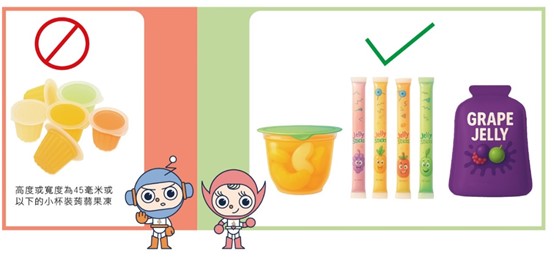
Figure 1: Konjac jellies come in various sizes and shapes
Mitigating Choking Risks of Konjac Jelly
Proposal on Regulation of Konjac-containing Jelly Confectionery
To address this concern, the Centre for Food Safety (CFS) has proposed regulating the sale of jelly confectionery products containing konjac through legislative measures. The proposed amendments stipulate that if a mini-cup jelly confectionery product has a height or width of 45 mm or less, it shall not contain konjac. Furthermore, all prepackaged konjac-containing jelly confectionery products are required to be labelled with a warning statement on the prevention of a choking hazard in both Chinese and English:
注意:勿一口吞食,長者及兒童需在監護下食用。
Caution: Do not swallow whole. Elderly and children must consume under supervision.
The regulatory proposal is available on the CFS's designated webpage Note 2. Members of the public and the trade are welcome to offer their views on or before 8 June 2025.
Health Education
The CFS has been spreading health education messages on the prevention of food choking through its website, seminars, social media and posters. In addition, the CFS, in collaboration with the Education Bureau, has issued a letter to schools, advising them to stop providing or selling mini-cup konjac jellies in places such as tuck shops and school canteens to avoid potential choking risks before the implementation of the proposed regulatory measures.
Moreover, the CFS has produced an educational video and a video advertisement to highlight common choking hazards and promote safe eating habits. The CFS will continue to organise school talks and disseminate information online to raise public concern about choking prevention and strengthen education among ethnic minorities.
Choking risks can be reduced by observing the following safe eating habits:
- Avoid eating while talking, laughing or running.
- Do not suck mini-cup konjac jelly directly from the packaging.
- Cut konjac jelly into smaller pieces and eat them with a spoon.
- Take small bites, chew well, and swallow between bites.
Key Points to Note
-
Konjac jellies are safe for consumption; however, improper consumption of mini-cup konjac jellies may pose a choking risk.
-
The Government is proceeding with the proposed legislative amendments to prohibit the sale of mini-cup konjac-containing jelly products with a height or width of 45 mm or less.
-
Practicing good eating habits Note 3 can reduce the risk of choking.
Advice to the Trade
-
Stop the sale of mini-cup konjac jellies with a height or width of 45mm or less before the implementation of the proposed amendments.
-
Label the packaging with clear choking warning statements to remind consumers to exercise caution.
Note 1: Codex develops the International Numbering System for Food Additives (INS), which serves as an international system for identifying food additives. For more information about INS, please visit the following webpage:
https://www.cfs.gov.hk/english/whatsnew/whatsnew_fstr/whatsnew_fstr_13_ins.html
Note 2: The CFS's dedicated webpage on “Public Consultation on Proposal on Regulation of Konjac-containing Jelly Confectionery”:
https://www.cfs.gov.hk/english/whatsnew/whatsnew_fstr/whatsnew_fstr_regulation_of_konjac-containing_jelly_confectionery.html

Note 3: Information about developing good eating habits from a young age is available at:
https://www.cfs.gov.hk/english/school/EatSafeAtSchool_poster_choking_hazard_e.pdf
Mascot ON in Lesson
Understand Standard Setting for Sweeteners in Food
Sweeteners are on a weight basis substantially sweeter than the common natural sugars. Therefore, only tiny amounts of sweeteners are needed in food and beverages to achieve the desired level of sweetness, leading to a lower caloric content in the final products. This article is an overview of a series of articles on sweeteners in food.
Standard Setting for Sweeteners at the International Level
To protect public health, sweeteners have to undergo stringent evaluation by the Joint Food and Agriculture Organization of the United Nations/World Health Organization Expert Committee on Food Additives (JECFA). Only food additives with justified technological need that have been assigned an acceptable daily intake (ADI) or determined, on the basis of other criteria, to be safe by JECFA are included in the General Standard for Food Additives (GSFA) published by the Codex Alimentarius Commission (Codex). All sweeteners listed in the Codex GSFA have been evaluated by JECFA and found acceptable for rational use in food.
The Codex GSFA sets forth the maximum levels of permitted food additives, including sweeteners, in specified food categories/items. The approach of setting maximum levels of additives for specified foods has been adopted by various jurisdictions such as the Mainland, the European Union, Australia, New Zealand and Singapore. This ensures that the intake of a food additive from all its uses does not pose a health concern.
Besides, the Codex GSFA also contains a list of additives that are acceptable for use in food in general when used at quantum satis levels and in accordance with the principles of good manufacturing practice (GMP) (i.e. GMP additives). In addition to JECFA, other national authorities have conducted risk assessments on these GMP additives and concluded that their use in food does not pose a hazard to health.
What are GMP principles in the use of additives in food?
According to Codex (Codex GSFA CXS 192-1995), food additives shall be used under conditions of GMP, which include the following:
- The quantity of the additive added to food shall be limited to the lowest possible level necessary to accomplish its desired effect;
- The amount of the additive that becomes a component of food as a result of its use in the manufacturing, processing or packaging of a food and which is not intended to accomplish any physical or other technical effect in the food itself shall be reduced to the extent reasonably possible; and
- The additive shall be of appropriate food grade quality and shall be prepared and handled in the same way as a food ingredient.
To ensure the Codex standards are consistent with current scientific knowledge and conducive to the protection of public health, existing standards (including those in the Codex GSFA) will be reviewed and amended as necessary, and new standards will be proposed and set by Codex.
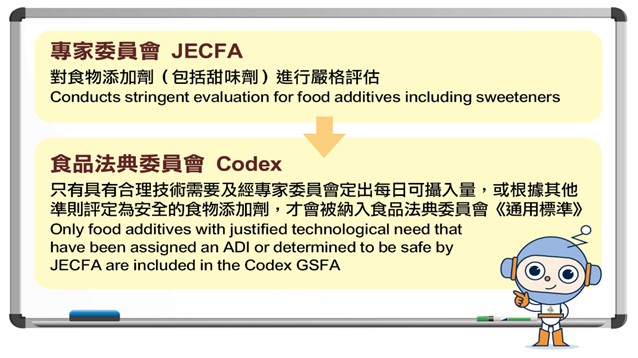
Figure 2: Standard setting for food additives (including sweeteners) at the international level
Local Situation
In Hong Kong, sweeteners in food are regulated under the Sweeteners in Food Regulations (Cap. 132U). First enacted in 1970, Cap. 132U was last amended in 2010 to include two new permitted sweeteners which had been determined to be safe by JECFA, namely neotame and steviol glycosides. By adopting a “positive list” approach, Cap. 132U stipulates that no person shall sell, consign or deliver or import any food intended for human consumption containing any sweetener which is not specified in the Schedule. Currently, there are ten permitted sweeteners listed under Cap. 132U, namely acesulfame potassium, alitame, aspartame, aspartame-acesulfame salt, cyclamic acid (and sodium, potassium, calcium salts), saccharin (and sodium, potassium, calcium salts), sucralose, thaumatin, neotame, and steviol glycosides.
To align with the latest international developments on the regulation of sweeteners in food, the CFS has commenced the work to review the regulatory control of sweeteners. When reviewing the sweeteners for various food pairs under Cap. 132U, besides making reference to the latest Codex GSFA, various relevant factors will be taken into account, including local food consumption patterns and dietary practices, relevant standards adopted by various jurisdictions (e.g. the Mainland and the European Union) and results of risk assessments.
The review exercise aims to enhance consumer protection while promoting harmonisation between local and international food safety standards, which will ultimately promote international food trade and provide a benchmark for the food industry to ensure that their food products are safe for consumption.
Dining Out
“Poon Choi”: A heavyweight Cooking Battle
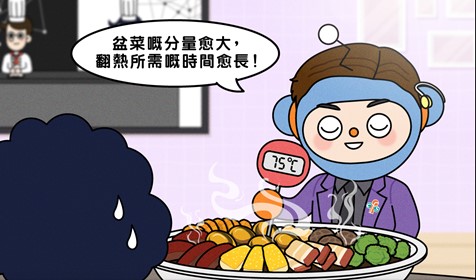
With so many choices of “poon choi” out there, what exactly makes one up to standard?
From my years of experience in savouring countless delicacies, food temperature is definitely one of the key criteria in my rating. Prepared dishes like “poon choi” must be thoroughly reheated before consumption to ensure the core temperature reaches 75℃ or above.
What's more, the larger the portion of the “poon choi”, the longer it takes to cook or reheat. And you can only reheat it once!
Tips from the Food Safety Judge:
Order your “poon choi” from reputable licensed food suppliers. Maintain good personal and food hygiene to prevent cross-contamination when making your own “poon choi”.
For more food safety tips regarding autumn and winter delicacies, please visit:
https://www.cfs.gov.hk/english/multimedia/multimedia_pub/multimedia_pub_fsf_198_02.html
Safe Kitchen/Trade Talks/Food Safety Guidelines
Introduction to “Safe Kitchen” Scheme
To facilitate the adoption of the 5 Keys to Food Safety and Good Hygiene Practices (GHPs) by trade members, and ensure food safety in their daily operation, the CFS has integrated the existing channels of risk communication and launched a new platform, namely “Safe Kitchen”, to communicate with the trade. The platform provides food safety information of greater practical importance to meet the operational needs of catering outlets.
The “Safe Kitchen” platform disseminates up-to-date food safety information (including food safety guidelines and relevant legislative amendments) to the trade through a host of channels including WhatsApp, emails and dedicated websites. In response to food poisoning outbreaks in restaurants, the platform also issues food alerts to remind the trade of the points to note in preventing future occurrences so that the risk of food poisoning can be minimised.
New dedicated websites and risk information exchange platforms will be rolled out under the “Safe Kitchen” Scheme. In addition, training materials tailor-made for the trade and workshops for kitchen staff will be provided to enhance their food safety and hygiene awareness. Members of the trade are welcome to scan the QR code to download the registration form for the “Safe Kitchen” Scheme in order to receive the latest food safety information in a timely manner.

Food Safety Guidelines:
1. Shared-use Kitchen – Food Safety Guidelines for Food Businesses
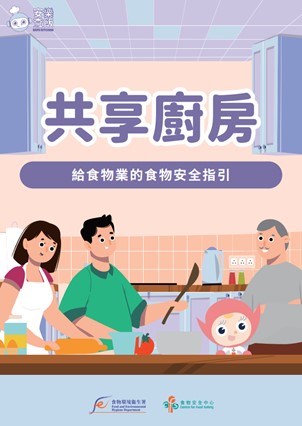
Shared-use kitchens have developed rapidly in Hong Kong in recent years, offering a low-cost start-up space for newcomers to the catering industry. However, the nature of multiple operators sharing facilities also poses challenges to food safety management. The CFS has newly published a booklet entitled “Shared-use Kitchen – Food Safety Guidelines for Food Businesses” (“the Guidelines”) to provide practical advice on this mode of operation, covering key areas such as licensing requirements, equipment standards, hygiene management and risk prevention and control.
The Guidelines emphasise the shared responsibilities of licensees and operators, including ensuring that the premises comply with statutory structural requirements, separate handling of raw and cooked foods, strict temperature control of food and implementation of cleaning and pest control measures. Regarding the risks associated with bulk cooking, the Guidelines specifically warn against cross-contamination and provides specific temperature standards for cooling and reheating. Furthermore, templates of the temperature log sheet, cleaning schedule form and inspection checklist are provided at its appendices to facilitate the trade’s implementation of the measures.
While this set of guidelines is not a mandatory document, it, by integrating the core principles of GHPs, serves as reference for stakeholders of shared-use kitchens to safeguard the health of consumers and reducing the risks of food safety incidents. Members of the trade could click the following link or scan the relevant QR code to view or download the Guidelines online.
https://www.cfs.gov.hk/english/multimedia/multimedia_pub/files/food_safety_guidelines_for_food_businesses_e.pdf
2. Prevention of Norovirus – Advice for Food Handlers
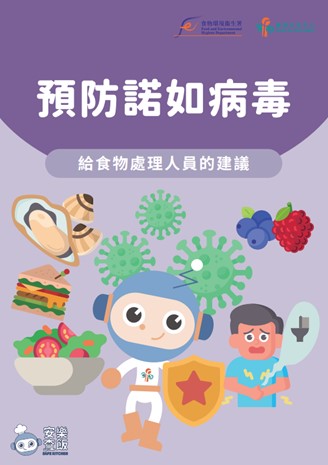
Norovirus is a highly contagious virus that often causes acute gastroenteritis, with symptoms including diarrhoea and vomiting, which has a severe impact on public health. To help food handlers effectively prevent the spread of norovirus and enhance food safety standards, the CFS specially published a booklet entitled “Prevention of Norovirus – Advice for Food Handlers”, which provides practical and specific advice.
The booklet highlights the personal hygiene management of food handlers. Food handlers who exhibit symptoms of infection, such as vomiting or diarrhoea, should report to their supervisor immediately and avoid handling food until they have been symptom-free for at least two days. It helps prevent the spread of the virus in workplace and safeguard the safety of consumers.
The booklet explains in detail how to wash hands properly. As alcohol-based hand sanitisers cannot eliminate norovirus, washing hands thoroughly with soap and water is necessary. Food handlers should refrain from handling food, particularly ready-to-eat food, with bare hands and are advised to use disposable gloves or tools. In addition, they should wash their hands thoroughly both before and after using gloves and replace the gloves which have become torn or soiled.
This booklet serves as an essential guide for the food trade, providing reference for catering practitioners, kitchen staff and relevant management personnel. By following the advice in the booklet, food handlers can effectively reduce the risk of norovirus transmission, ensure food safety, and contribute to public health.
You could click the following link or scan the relevant QR code to view or download the booklet online. Act now and build a safe and hygienic eating environment together!
https://www.cfs.gov.hk/english/multimedia/multimedia_pub/files/norovirus_e.pdf
News on CFS
1. The 89th Meeting of the Trade Consultation Forum
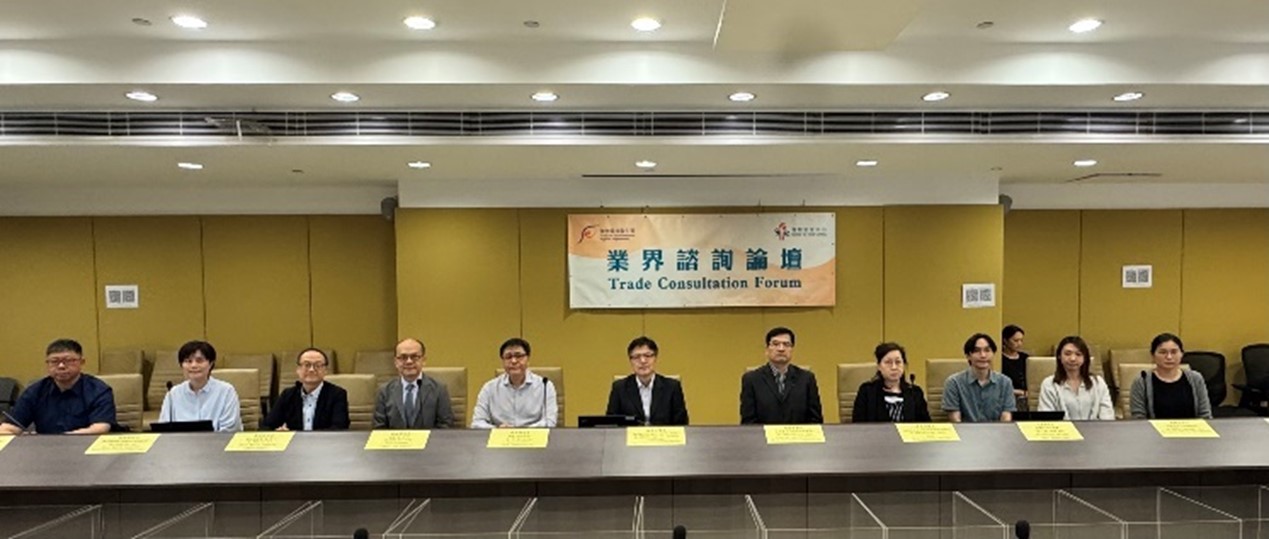
The 89th meeting of the Trade Consultation Forum was held on 12 June 2025. The CFS and the trade exchanged their views on topics including “Food Safety Guidelines for Food Businesses on Pre-cut Fruits and Fresh Fruit and Vegetable Juices”, “Safe Handling of Rice and Noodles to Prevent Food Poisoning, Including Bongkrekic Acid Poisoning”, “Proposal on Regulation of Konjac-containing Jelly Confectionery (Update)”, “Salt / Sugar” Label Scheme for Prepackaged Food Products, “Risk Assessment Study on T-2 toxins, HT-2 toxins and 4,15-diacetoxyscirpenol in Food”, and The Arrangement of “Access Procedure” for Hong Kong-Manufactured Meat and Dairy Products Importing to the Mainland. For details of the event, please visit the following webpage or scan the relevant QR code:
https://www.cfs.gov.hk/english/committee/Notes_and_Presentation_Materials_TCF89_20250612.html
2. Technical Meeting between CFS and the Trade on Proposed Amendments to the Food Adulteration (Metallic Contamination) Regulations (Cap. 132V)
On 20 March 2025, the CFS held the first technical meeting on proposed amendments to the Food Adulteration (Metallic Contamination) Regulations (Cap. 132V) with food business representatives via online video conferencing.
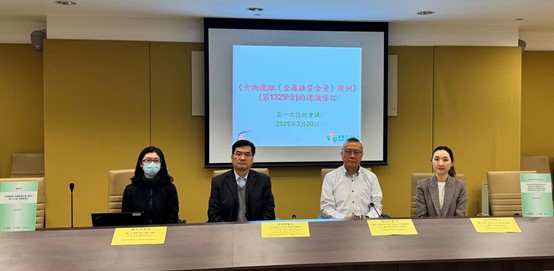
During the meeting, the CFS explained to the trade the background, specific details and follow-up plans of the proposed amendments, reported on the progress of the consultation exercise and illustrated the testing approach to the metallic contaminants listed in the Regulations. A question-and-answer session was held during the meeting to facilitate exchanges with the trade.
For details of the proposed amendments to the Food Adulteration (Metallic Contamination) Regulations (Cap. 132V), please visit the CFS's dedicated webpage or scan the relevant QR code:
https://www.cfs.gov.hk/english/whatsnew/whatsnew_fstr/whatsnew_fstr_PA_Food_Adulteration_Metallic_Contamination_2.html
3. Food Safety Day 2025
Keep Cooked and Raw Food Apart, Prevent Cross-contamination from the Start!
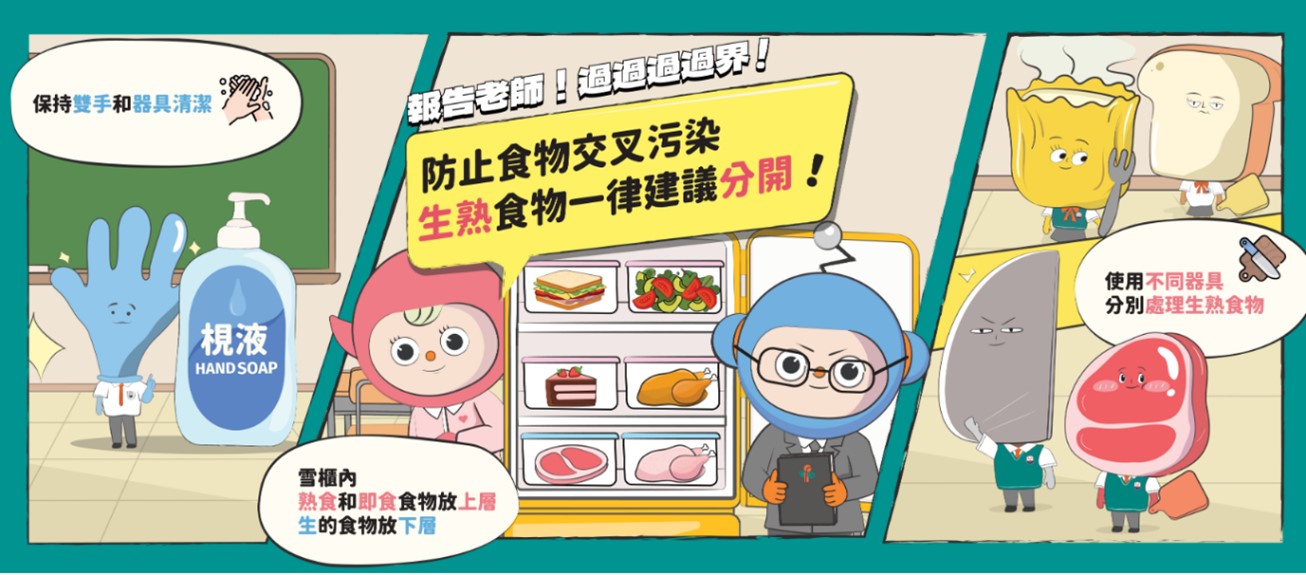
To support the United Nations’ World Food Safety Day on 7 June, the CFS took the opportunity to promote the importance of food safety to the food trade and the public in order to raise their awareness of the “Five Keys to Food Safety” as the best measures in preventing foodborne diseases. This year's campaign highlights the “Separate” key, which emphasises the importance of preventing cross-contamination at all stages of food preparation in safeguarding food safety. By adopting good hygiene practices and following proper ways of food handling, such as storing and handling raw and cooked foods separately, using dedicated utensils and storage containers and maintaining good personal and environmental hygiene, food handlers can significantly reduce the risk of foodborne diseases.
For details of the campaign, please click the following link or scan the relevant QR code:
https://www.cfs.gov.hk/english/whatsnew/whatsnew_act/Food_Safety_Day_2025.html
4. CFS's Online Talk on the Food Safety of Street Food
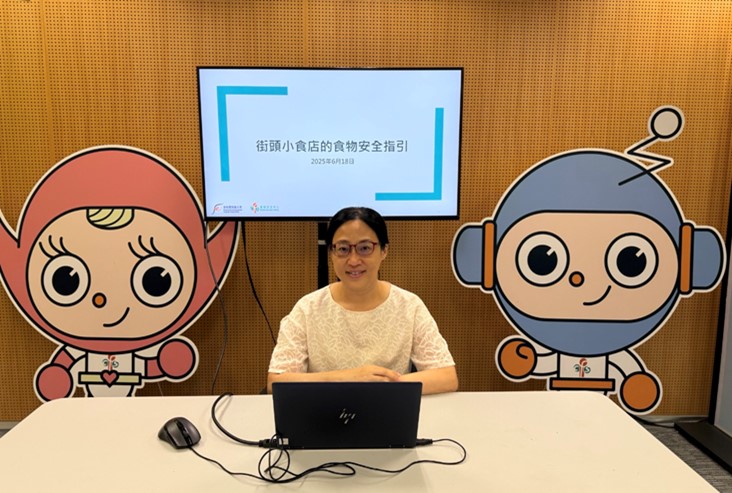
While street food is popular among local residents and tourists, its food safety and hygiene standards are of public concern. To facilitate the trade's implementation of food safety measures to ensure that food production and supply comply with hygiene standards, the CFS has complied “Street Food Stalls – Food Safety Guidelines for Food Businesses”. The guidelines, applicable to both permanent food stalls and temporary stalls operating at food fairs, festivals, night markets, etc., aim to increase the trade’s food safety awareness and practical skills. Furthermore, to enhance street food vendors’ understanding of food safety, the CFS specially held an online talk titled “Food Safety of Street Food” on 18 June to explain to the trade the fundamental food safety principles and practical guidelines for preparing street food, helping them implement food safety measures effectively in their daily operations to provide safe and hygienic food to consumers.
“Street Food Stalls – Food Safety Guidelines for Food Businesses”:
5. Media Briefing on Regulation of Konjac-containing Jelly Confectionery
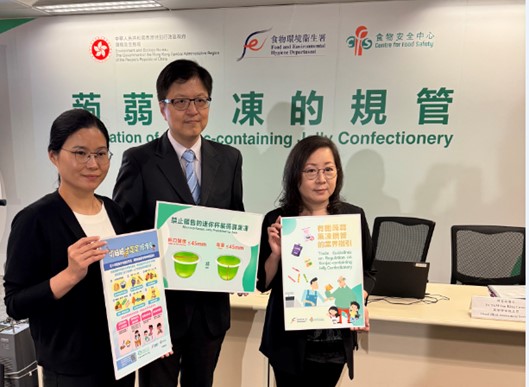
The Food and Drugs (Composition and Labelling) (Amendment) Regulation 2025 (Amendment Regulation) was gazetted on 18 July 2025 to strengthen the regulation of prepackaged konjac-containing jelly confectionery.
Under the new requirements, mini-cup konjac-containing jelly confectionery with a height or width not exceeding 45 millimetres is prohibited for sale in the market. In addition, other konjac jelly products must be labelled with choking warning statements on their packaging to remind consumers to exercise caution while eating.
The Amendment Regulation was tabled at the Legislative Council on 23 July 2025 for negative vetting. The new requirements for prepackaged mini-cup konjac-containing jelly confectionery will take effect on 1 April 2026, i.e. around six months after the completion of negative vetting of the Amendment Regulation.
The CFS will continue to enhance health education on choking prevention, including issuing letters to schools, organising seminars, and sharing information on social media. The CFS will also arrange technical meetings with the trade and issue user guidelines to facilitate the trade's understanding of and compliance with the new requirements.
For more details on this topic, please visit the CFS's designated webpage or scan the relevant QR code.
https://www.cfs.gov.hk/english/whatsnew/whatsnew_fstr/whatsnew_fstr_regulation_of_konjac-containing_jelly_confectionery.html
Ask Our Mascots
Sugar Alcohols – an Overview
What are Sugar Alcohols?
People may wonder whether sugar alcohols are actually classified as sugar or alcohol. Sugar alcohols are carbohydrates the chemical structures of which resemble both sugar and alcohol. However, they are different from sugar and do not contain ethanol (the type of alcohol present in alcoholic beverages).
In fact, sugar alcohols are naturally found in small quantities in a variety of fruits and vegetables such as apples and mushrooms. They can also be massively produced from sugars and starches for commercial use. Examples of sugar alcohols include sorbitol, xylitol, erythritol, mannitol and maltitol.
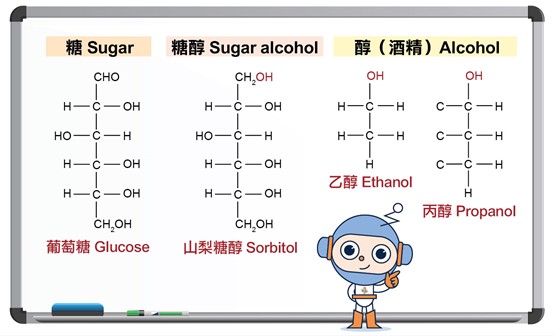
Figure 3: Chemical structures of sugar alcohol (e.g. sorbitol), sugar (e.g. glucose) and alcohol (e.g. ethanol and propanol)
Properties of Sugar Alcohols
Although sugar alcohols have a sweet taste, they are typically not as sweet as table sugar, in contrast to non-nutritive sweeteners, which have an intense sweetness. The sweetness of sugar alcohols varies from 25% to 100% of that of table sugar. Nowadays, sugar alcohols are often used in combination with non-nutritive sweeteners to create a better flavour profile. Sugar alcohols are commonly used as sugar substitutes in sugar-free and sugar-reduced food products, including candies, chewing gum, cookies and ice cream.
In addition to adding sweetness, sugar alcohols serve some other purposes in food. Similar to sugars, sugar alcohols in food add bulk and texture. They also help retain moisture in food and prevent browning upon heating, making them food additives with multiple technological functions.
Since sugar alcohols are slowly and incompletely absorbed from the small intestine into the blood, they provide fewer calories per gram (approximately 0.2 to 3 kcal per gram) than table sugar (about 4 kcal per gram) and produce a smaller change in blood glucose than other carbohydrates such as sucrose and glucose.
Unlike sugars, sugar alcohols do not promote tooth decay because they are resistant to metabolism by bacteria in the mouth that break down sugars and starches to release decay-causing acids. When added to food in large quantities, sugar alcohols produce a cooling sensation in the mouth which goes well with the flavour of mint. For this reason, they are commonly found in sugar-free chewing gum and candies.
Safety of Sugar Alcohols
Concerns have been raised regarding the potential health risk of sugar alcohols. For instance, the results of some studies suggested a possible association between higher circulating blood levels of erythritol and cardiovascular diseases and related risk factors. However, in its evaluation published in 2023, the European Food Safety Authority considered that the available studies had not demonstrated a causal relationship between dietary exposure to erythritol and the risk of cardiovascular diseases.
Like other food additives, sugar alcohols have to undergo rigorous safety evaluation before they are permitted for use in food. In fact, JECFA has evaluated the safety of some sugar alcohols, namely erythritol, isomalt, lactitol, maltitol, maltitol syrup, mannitol, polyglycitol syrup, sorbitol, sorbitol syrup and xylitol, and established ADIs of “not specified” for them, meaning that their use as food additives does not cause any health concern.
|
Sugar alcohols |
Relative sweetness vs |
Calorie value |
|---|---|---|
|
Erythritol |
60 – 80% |
0.2 |
|
Isomalt |
45 – 65% |
2 |
|
Lactitol |
30 – 40% |
2 |
|
Maltitol |
90% |
3 |
|
Maltitol syrup |
25 – 50% |
3 |
|
Mannitol |
50 – 70% |
1.6 |
|
Polyglycitol syrup |
40 – 90% |
3 |
|
Sorbitol |
50 – 70% |
2.6 |
|
Sorbitol syrup |
25 – 50% |
3 |
|
Xylitol |
100% |
3 |
|
Compared with: table sugar |
100% |
4 |
Figure 4: Relative sweetness and calorie value of sugar alcohols
However, excess consumption of sugar alcohols may cause laxative effects and gastrointestinal discomforts, including abdominal gas and bloating, in some individuals. This is because sugar alcohols are not completely absorbed in the intestine. The likelihood of experiencing such effects depends on the quantity consumed. Therefore, it is important that manufacturers use sugar alcohols in accordance with GMP, i.e., limiting the amount added to food to the lowest possible level necessary to accomplish the desired effect.
Local and International Situation
In Hong Kong, under the existing Sweeteners in Food Regulations (Cap. 132U), sweetener means any chemical compound which is sweet to the taste, but does not include any sugars or other carbohydrates or polyhydric alcohols (i.e. sugar alcohols). Even though sugar alcohols are currently not within the regulatory scope of Cap. 132U, they can still be used in food in accordance with GMP.
Internationally, the aforementioned 10 sugar alcohols evaluated by JECFA are considered sweeteners by Codex. According to the GSFA, they are all permitted for use in food as long as their use is in compliance with the principles of GMP.
Enhancement Quiz
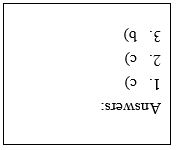
- Which of the following statements regarding the proper handling of food to reduce cross-contamination is incorrect?
- Use separate worktops to handle raw and cooked foods.
- Store food in covered containers or wrap it with cling film before putting it into the refrigerator.
- Store raw and cooked foods in the upper and lower compartments of the refrigerator respectively.
- Wash hands thoroughly with water and liquid soup before and after preparing food and after touching unclean objects.
- Which of the following types of foods does NOT pose a high choking risk to children?
-
Foods that do not dissolve easily (e.g. mini-cup konjac jellies)
-
Small hard foods (e.g. nuts, hard candy)
-
Soft and easy-to-chew banana
-
Compressible foods (e.g. marshmallows)
-
- What are the characteristics of sugar alcohols?
-
have sweeter taste than table sugar
-
do not promote tooth decay but may cause gastrointestinal discomforts
-
contain ethanol
-
can only be synthesised artificially and are not naturally found in food
-
Diary of Mascot ON
The Potential Risk of Washing Raw Meat
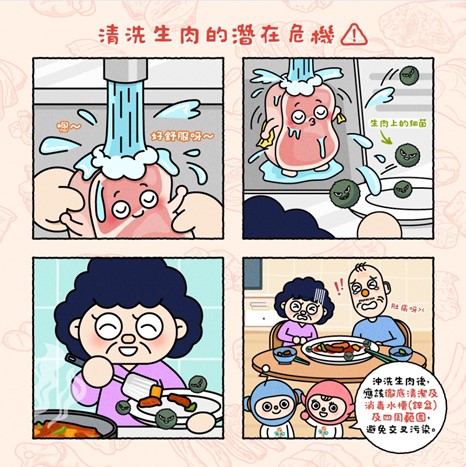
Mrs TAM: Ouch! I have a terrible belly ache! I've already washed the meat thoroughly and cooked it through!
Our mascots: It's common practice for some people to rinse off blood from raw meat or poultry under running water before cooking. During this process, however, the pathogens on the surface of raw meat can splash all over your hands, nearby dishes or worktops, turning the water splash into a “bacteria fountain”, leading to cross-contamination and food poisoning.
If you want to wash raw meat, remember to clean and sanitise thoroughly the sink and the surrounding area within one metre afterwards. Check this link for the points to note about cleaning products:
https://www.cfs.gov.hk/english/consumer_zone/safefood_all/clean_hygiene.html

Don't forget to wash your hands before and after handling food, and maintain good personal and environmental hygiene for food safety!