


Food Safety Focus (244th Issue, November 2026) – Article 1
Understanding the Use of Sulphur Dioxide in Fruit and Vegetable Products
Reported by Ms. Sosanna WONG, Scientific Officer,
Risk Assessment Section, Centre for Food Safety
Sulphur dioxide has long been used in food production for its multifunctional properties, primarily to inhibit microbial growth and prevent discolouration in foods including fruit and vegetable products. However, food surveillance conducted by the Centre for Food Safety has occasionally identified cases in which sulphur dioxide was found in unpermitted food, in excessive amounts, or left undeclared on product labels.
The Roles of Sulphur Dioxide in Fruit and Vegetable Products
Why do some fruit and vegetable products, like dried fruits and pickled vegetables, need the help of sulphur dioxide in the first place?
Anti-browning
Fruits and vegetables are packed with natural compounds that cause them to turn brown, involving enzymatic and non-enzymatic browning, when exposed to oxygen during processing or prolonged storage. Sulphur dioxide acts as an effective anti-browning agent by disrupting both pathways. For enzymatic browning, which is the most common form of browning, sulphur dioxide inhibits the browning enzyme (i.e. polyphenol oxidase) and blocks the formation of brown pigments. For non-enzymatic browning, which is primarily associated with the Maillard reaction in dried foods such as dried apricots, sulphur dioxide binds to reducing sugars like glucose and fructose to prevent them from reacting with amino acids, thus halting the browning process. Through these mechanisms, sulphur dioxide helps maintain the natural colour and appearance of these products. Even so, some food manufacturers choose to forgo sulphur dioxide, embracing the darker appearance of their products.
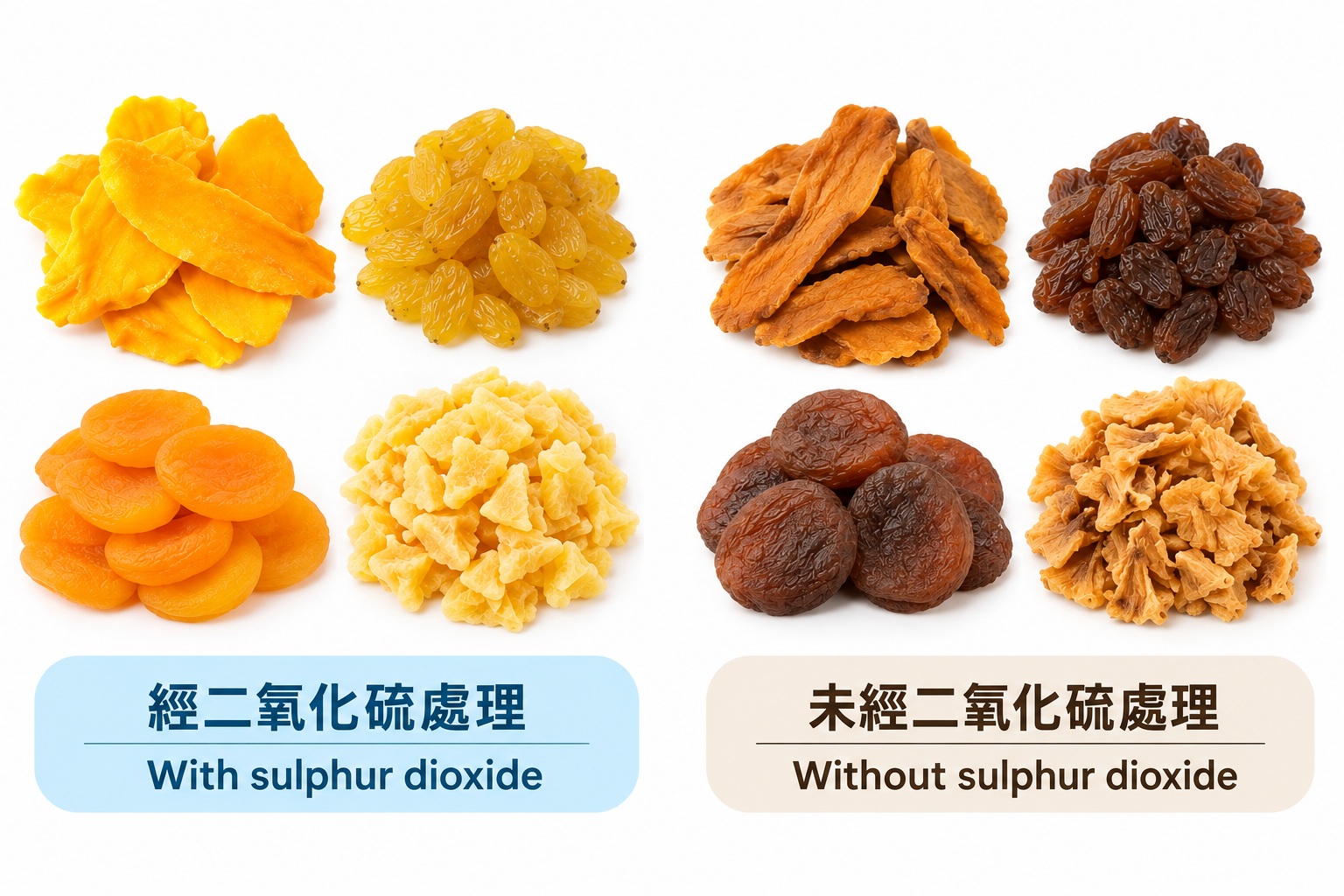
Figure 1: Sulphur dioxide can act as an anti-browning agent in dried fruits. For example, (clockwise from top left) dried mango, raisins, dried pineapple and dried apricots.
Antimicrobial
In addition, sulphur dioxide provides important antimicrobial benefits in certain fruit and vegetable products. It inhibits the growth of microorganisms such as yeasts, bacteria and moulds, reducing spoilage risk and extending shelf life.
Decoding the Regulations on Sulphur Dioxide
Although sulphur dioxide has a long history of safe and technologically justified use, its use is not always permitted. Let us take a closer look at the following scenarios:
Permitted food, permitted level
In Hong Kong, the use of preservatives and antioxidants is governed by the Preservatives in Food Regulation (Cap. 132BD). The use of sulphur dioxide, as well as sulphites, is permitted in specified food categories, including certain fruit and vegetable products like dried fruits, dried vegetables and pickled vegetables, within specified maximum levels under Cap. 132BD.
Food in which sulphur dioxide is not permitted
On the other hand, the use of sulphur dioxide in some food products, such as untreated fresh fruits and vegetables, is strictly prohibited. Despite this, sulphur dioxide may be illegally applied to untreated fresh produce, like bamboo shoots, to maintain an unnaturally bright and white appearance that tricks consumers into thinking the produce is exceptionally fresh.
Permitted food, excessive level
There are occasional cases where the use of sulphur dioxide is permitted in some food products, such as raisins and dried bamboo fungi, but the levels exceed the legal limits.
Permitted food, permitted level, undeclared presence
Sulphur dioxide may be used in a permitted food within the legal limit, but its presence in a prepackaged food is not declared on the label. According to the Food and Drugs (Composition and Labelling) Regulations (Cap. 132W), if sulphur dioxide is used in prepackaged food, its functional class (e.g. antioxidant, preservative) together with its specific name (e.g. sulphur dioxide) or identification number under the International Numbering System (e.g. 220) must be declared in the ingredient list.
Furthermore, since sulphur dioxide is a potential allergen for susceptible individuals, Cap. 132W also stipulates that if sulphite is present in prepackaged food in a concentration of 10 parts per million (ppm) or more, the functional class of the sulphite and its name should be specified in the ingredient list as well.
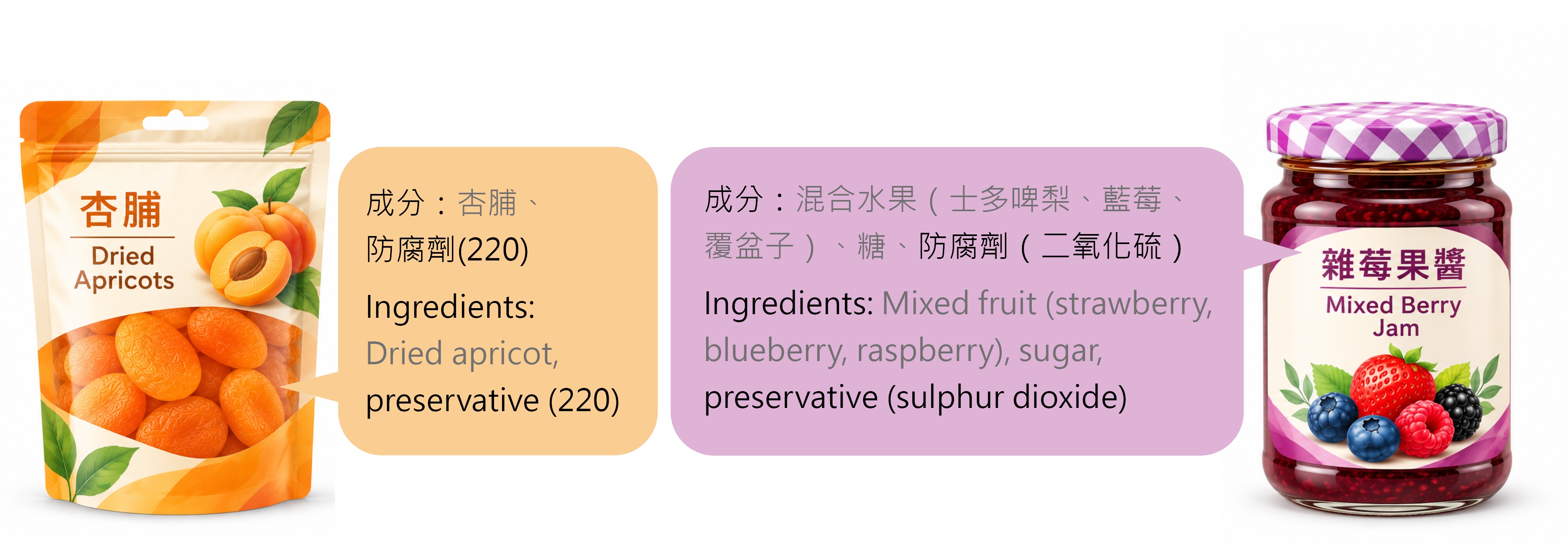

Figure 2: Different labelling formats of sulphur dioxide
Advice to the Public
- Since sulphur dioxide is water soluble, most of it can be removed through washing and cooking.
- Susceptible individuals should check food labels before purchase, and avoid food products containing sulphur dioxide.
Advice to the Trade
- Use sulphur dioxide and declare its presence in compliance with legal requirements.