


Food Safety Focus (240th Issue, July 2026) – Article 2
The Food Safety Guide to Near-Expired Foods
Reported by Dr. Anna SP TANG, Scientific Officer,
Risk Communication Section, Centre for Food Safety
In recent years, shops specialising in selling prepackaged foods that are nearing expiry or have passed their “Best Before” dates have been seen in growing numbers. Are these foods safe to eat? To help you shop smartly and eat safely, this article breaks down the critical differences between “Best Before” and “Use By” dates. We will also provide practical food safety tips for checking and handling these products at home, alongside a reminder of the key food safety practices that trades must strictly follow.
Checking Expiry Date: Differentiate “Use by” Date vs. “Best before” Date
In Hong Kong, under the Food and Drugs (Composition and Labelling) Regulations (Cap. 132W), prepackaged food shall be marked with an appropriate indication of the shelf life of the food, labelled either as a “Use By” date or a “Best Before” date. These durability periods are only valid for unopened products kept under proper storage conditions and should be specified by the manufacturer.
“Use By” Date: indicates food safety. It applies to perishable foods (e.g. fresh milk and dairy products) that may deteriorate and become unsafe after a short period. Foods should not be consumed after this date as they pose a health risk.
“Best Before” Date: indicates food quality rather than food safety. It appears on shelf-stable foods (e.g. canned foods, prepackaged dried foods) and frozen foods. Food may still be eaten past this date provided it has been properly stored under the intended conditions , but quality may not be at its best.
Consumer's Guide to Smart Purchase and Safe Consumption
Consumers should be aware of the inherent difference in these two types of date marks. Never purchase or consume foods that have passed the “Use By” date. For food beyond the "Best Before" date, exercise caution to check if there is visible deterioration or irregularities such as the presence of mould, odd smell, discolouration, unusual product separation, and check for any signs of insect or rodent infestation. Even when foods are still within the marked durability periods, it is important to make sure the package is intact and to check for any possible damage, tear or leakage. It would be a smart practice to buy only when required and avoid overstock and prolonged storage, especially for near-expired items.
Prepackaged food should be checked to ensure that they are properly labelled with food names and ingredient lists, and with proper storage instructions, paying special attention to the directions on how to store the food once the package is opened and the duration for safe consumption once opened. Foods should be brought home promptly after purchase and kept under recommended storage conditions at the right temperatures. Using the “first-in-first-out” principle, foods should be organised so that near-expired products can be used first. Consumers are advised to adopt the Five Keys to Food Safety to prepare foods for safe consumption.
Responsibilities of Traders and Food Safety Practices
Under current regulations, it is an offence to sell any food after its "Use By" date in Hong Kong. The food trade is reminded not to sell food or give away food after its "Use By" date, and to ensure food sold after its "Best Before" date remains fit for human consumption. Manufacturers have the responsibility to set the date mark, providing clear information and storage instructions to consumers. They should consult technical experts before assigning a "Use By" date or "Best Before" date to a food.
Traders should follow Good Hygiene Practice in their premises, maintain proper temperature control, keeping the food under proper storage conditions with intact packaging. Retailers are reminded to put in place good inventory management and to regularly check stock and remove from shelves any food items past the “Use By” date and any products that are spoiled or deteriorated. Traders are advised to separate discounted near-expired goods from regular stock with clear labelling so that consumers can make a clear and informed choice.
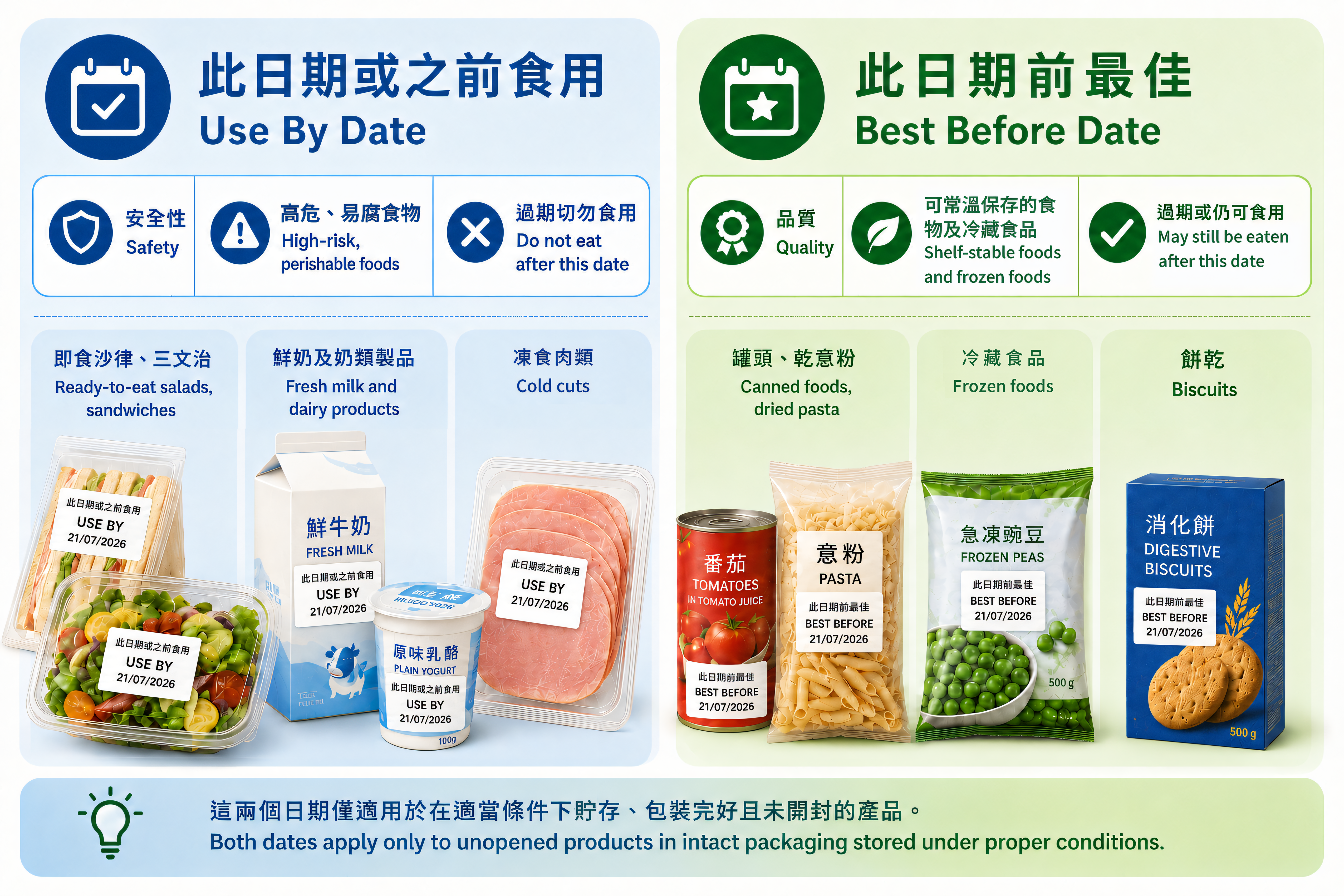
Figure 2: “Use by” Date vs. “Best before” Date