


Food Safety Focus (240th Issue, July 2026) – Article 1
Common Allergens with Food Safety Risk
Reported by Dr. KH Kung, Principal Medical and Health Officer,
Risk Assessment & Communication Division and Ms Alam NG, Scientific Officer, Risk Assessment Section, Centre for Food Safety
Common food allergens and prevalence of food allergy
Food allergy is a significant food safety concern. Allergenic food is defined by the Codex Alimentarius Commission (Codex) as a food (including ingredients, food additives and processing aids) that can elicit immunoglobulin class E (IgE)-mediated or other specific immune-mediated reactions in susceptible individuals.
Overall, more than 170 foods have been documented as causing food allergies. According to Codex, the majority of food allergies on a global basis are caused by a variety of proteins in eight foods/ food groups and their derived products. These include cereals containing gluten (i.e. wheat, rye, barley, oats, spelt or their hybridised strains), crustaceans, eggs, fish, milk, peanuts, soybeans and tree nuts (Figure 1).
The Food and Agriculture Organization of the United Nations stated that approximately 220 million people worldwide have food allergies. A review article published in July 2025 quoted that food allergies affected around 8% of children and 10% of adults in industrialised countries, whereas epidemiological studies showed an increasing prevalence worldwide with significant regional differences. In Europe, self-reported prevalence varies from less than 1% to over 10%. In North America and Northern Europe, peanut and egg allergies are more common, while shellfish and fish allergies dominate in Asia. In the Chinese Mainland, a large-scale study revealed 5.8% of respondents reported adverse reactions to food and 4.3% reported food allergies. The eight most common causative foods in descending order were shrimp, mangos, shellfish, eggs, fish, beef, milk and mutton (prevalence between 1.22% and 0.25%). In Hong Kong, cross-sectional surveys targeting Chinese children aged 2-7 years reported perceived food allergy prevalence at 6.1%, 9.5% and 8.5% in 2006-2007, 2013-2014, and 2020-2021, respectively. In the 2020-2021 study, the most common food allergen identified was shellfish (1.99%), followed by egg (1.86%), peanuts (1.52%), milk (0.77%), fruits (0.75%), fish and tree nuts (0.68% for each) and wheat (0.32%).
Amongst tree nuts, the most common ones associated with allergy, according to Codex, are almonds, Brazil nuts, cashews, hazelnuts, macadamias, pecans, pistachios and walnuts. While some people may consider coconut a tree nut and worry about a potential allergy, it is noted that coconut is classified as a drupe (a fruit with a hard, stony covering enclosing the seed with three layers), which is different from tree nuts like acorns and hazelnuts that do not have fleshy or fibrous outer layers that drupes possess. Local immunologists also highlight that coconut is not from the tree nut or peanut families, thus may not trigger an allergy. Previous risk assessment of Food Standards Australia New Zealand also concluded that allergy to coconut is rare and the risk of coconut allergies in individuals allergic to tree nuts is very low.
Related Food Safety Standards for Labelling
The prevention of allergic reactions relies on avoiding allergenic foods, making it crucial to accurately label products and provide clear information to customers, and the allergenic foods recommended by Codex form the basis of the global allergy labelling system.
In Hong Kong, under the Food and Drugs (Composition and Labelling) Regulations (Cap. 132W), prepackaged foods must clearly specify the presence of certain allergens within their ingredient lists and these include the aforesaid eight foods/food groups. Upon reviewing the guidance from Codex and practice in major developed economies and the Chinese Mainland, mandatory declaration of coconut as an allergen is not required.
Recommendations to trade and the public
To minimise the risk of food allergy to susceptible individuals, the trade should practise due diligence in labelling the presence or potential presence of allergens in products, and preventing unintentional cross-contamination of products with allergens present in other manufactured products. In the restaurant setting, when taking orders, waiting staff can ask patrons if they have any food allergies and confirm with the cooks whether the dishes contain the concerned allergens.
Members of the public are reminded to remain aware of their medical and family history of food allergy and the specific symptoms of allergy (e.g., skin rashes and mucosal swelling). Consumers, especially those with food allergy history, should read ingredient lists diligently before purchasing or consuming prepackaged food products free of the allergens concerned. Anyone experiencing adverse symptoms after consuming a food product should seek medical advice promptly for further management.
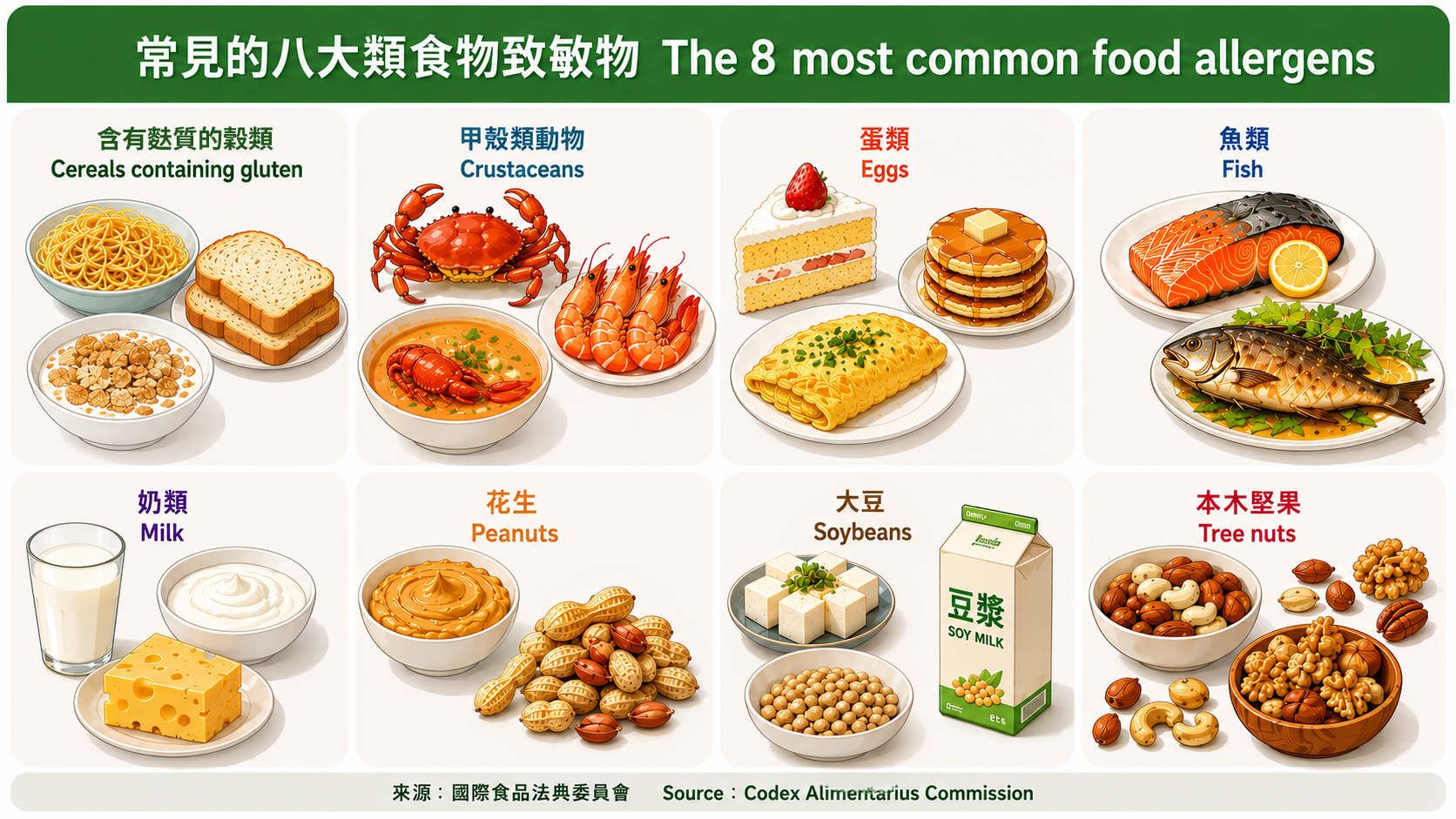
Figure 1: The 8 most common food allergens