



Food Safety Focus (232nd Issue, Nov 2025) – Article 2
Preparing Soft Meals with Food Safety in Mind
Reported by Ms. Melva CHEN, Scientific Officer,
Risk Communication Section, Centre for Food Safety
A soft meal (also known as care food in healthcare and caregiving settings) refers to food with a modified texture for individuals who experience eating difficulties, such as the elderly, those recovering from surgery, or those with chewing, swallowing, or digestion difficulties. With an ageing population, the demand for soft meals has surged. To enhance their appearance and taste, some soft meals are thickened and moulded into familiar shapes, such as chicken wings and broccoli florets. Soft meals play a vital role in maintaining the nutrition and well-being of those who rely on them. However, food safety is equally important, as many soft meal consumers, especially the elderly or people with health problems, are more vulnerable to foodborne diseases.
Food Safety Concerns in Soft Meal Preparation
The typical preparation process of a soft meal is shown in Figure 2. After cooking, soft meals may be: (1) served immediately, (2) stored for later use, (3) moulded and stored for later use, or (4) moulded and served immediately. To follow the advice of health professionals, soft meals often require additional handling steps such as mashing or pureeing, making hygienic practices crucial to prevent cross-contamination. Since soft foods are usually prepared and stored in advance for later use, their smooth and moist texture can create an ideal environment for bacterial growth, so temperature control is crucial to ensuring food safety.
Manufacturers should consider the unique characteristics of soft meals: vulnerable consumers, the use of multiple processing equipment, and a high-moisture final product when developing HACCP plans to ensure that potential risks are properly identified and managed. Likewise, care centres and home preparers should follow safe food handling practices, and those purchasing pre-packaged soft meals must adhere to the storage and cooking instructions on the food label.
Applying the Five Keys to Food Safety in Soft Meal Preparation
Safe food handling practices can be summarised by the Five Keys to Food Safety: Choose, Clean, Separate, Cook, and Safe Temperature:
- Choose safe and suitable ingredients: Use fresh ingredients and avoid processed foods high in salt or sugar. Hard (nuts, seeds), sticky (glutinous rice), or fibrous (celery stalk, tough meat, dried fruit) items are unsuitable as they are difficult to blend smoothly and may pose choking hazards. Follow the advice of health professionals for individual dietary needs.
- Keep everything clean: Wash hands thoroughly before and after handling food. Soft meals often require repeated blending, so residues can easily contaminate later batches. Clean and sanitise blenders, food processors, sieves, moulds, knives, and utensils immediately after use.
- Separate raw and cooked foods: Use separate utensils, chopping boards, and blenders for raw and cooked foods to prevent cross-contamination. Store prepared soft meals in covered containers away from raw foods.
- Cook thoroughly: Never undercook food (e.g. soft-scrambled eggs) simply to make it soft, or lightly warm soft meals just to maintain their shape—these temperatures are insufficient to kill bacteria. Ensure food reaches a core temperature of at least 75°C during cooking and reheating. Always cook meats and vegetables before mashing or pureeing, as grinding raw meat can spread bacteria. When raw vegetables are mashed, cell damage releases the enzyme nitrate reductase, which converts naturally occurring, non-toxic nitrate into nitrite. Excessive nitrite can pose health risks. Cooking before blending inactivates this enzyme, preventing nitrite formation. After pureeing and mixing, bring the food to a boil again, especially if it is not served immediately, to destroy any bacteria introduced during processing.
- Maintain safe temperatures: Soft meals prepared in advance for later use should be refrigerated at 4°C or below, or frozen at -18°C. Label each batch with the preparation date and follow the first-in-first-out principle. Soft meals for immediate consumption should be served right after cooking and/or moulding and kept above 60°C. Moulded soft foods should be set quickly to prevent the growth of harmful bacteria in the temperature danger zone (4°C- 60°C). Discard any soft meals left at room temperature for more than two hours. Always measure temperatures with a food thermometer and never use expired or spoiled food.
By following proper food handling practices, manufacturers, caregivers, and home preparers can ensure that soft diets remain safe, appetising, and nutritious.
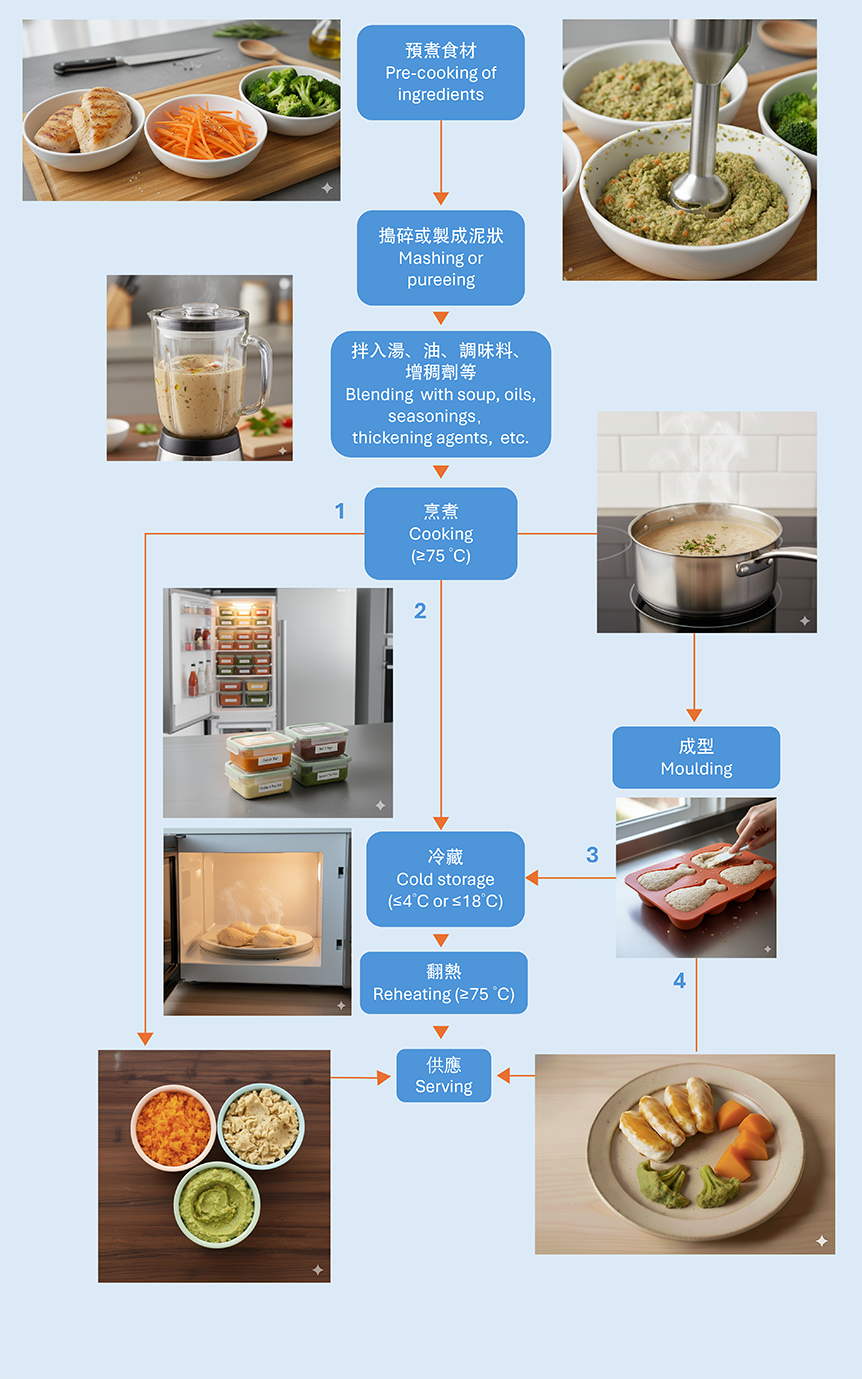
Figure 2: Flow chart of the preparation of soft meals