


Food Safety Focus (231st Issue, Oct 2025) – Article 1
Preparing for Safe Barbecuing
Reported by Arthur YAU, Scientific Officer,
Risk Communication Section, Centre for Food Safety
Barbecuing is a cherished outdoor activity during the cooler months, providing a wonderful opportunity to enjoy delicious food outdoors with family and friends. However, ensuring food safety while barbecuing is essential to prevent foodborne illnesses. This guide outlines how to prepare for safe barbecuing, covering aspects from shopping for ingredients to cooking and serving.
Shopping for Ingredients
When shopping at supermarkets or shops, it is advisable to buy frozen and chilled items, such as meat and seafood, last. This practice minimises the time these items spend at room temperature, thereby reducing the risk of bacterial growth. Furthermore, keep raw meat and seafood separate from other foods in your shopping cart. Always check the expiry dates on packages.
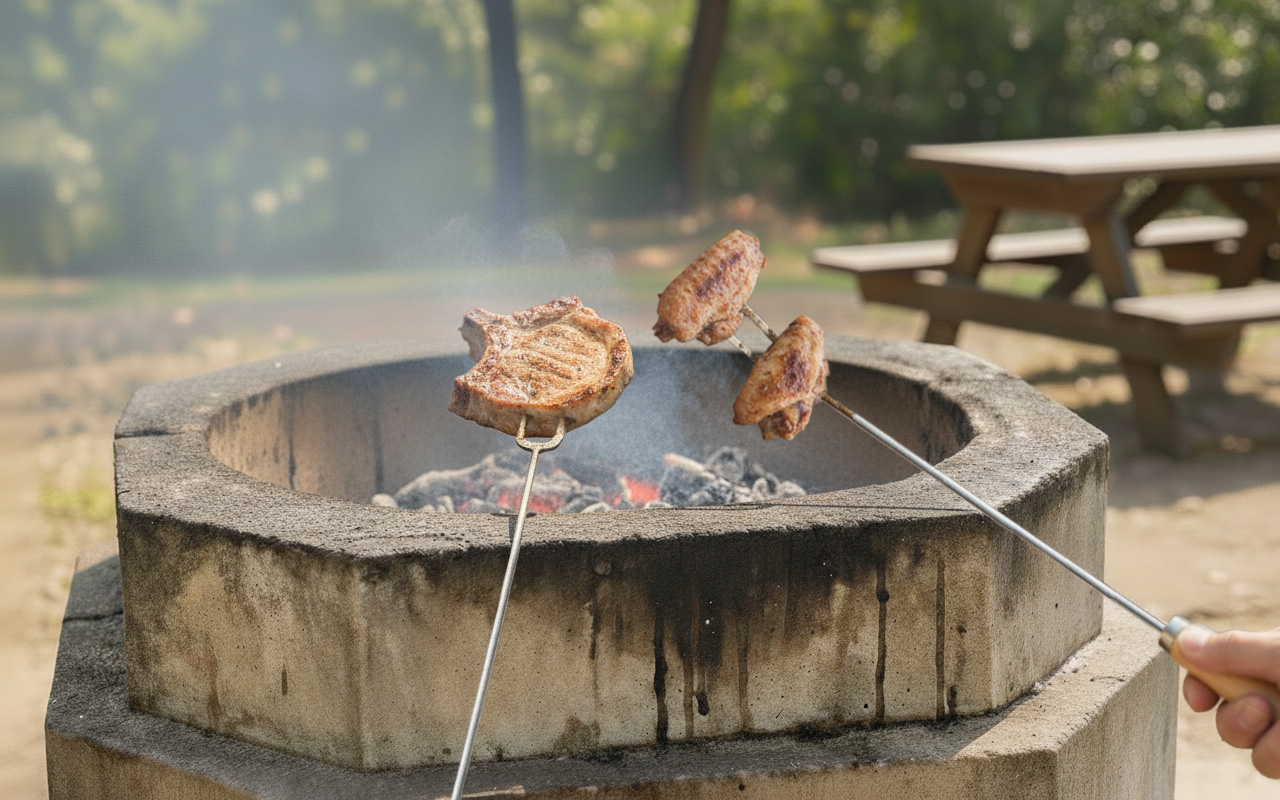
Figure 1: When barbecuing, cook food thoroughly to eliminate pathogens but avoid charring.
Defrosting
Complete defrosting of frozen items is an important step in the preparation process. Barbecuing meat with icy spots can lead to undercooking. When defrosting frozen food for BBQ, it should be done in the chiller, where temperatures remain between 0°C and 4°C. Depending on the size of the meat, the defrosting process may require an overnight period or longer. Avoid defrosting food at room temperature, as this encourages the growth of harmful bacteria.
Marinating and Handling
Marinating your barbecue items can significantly enhance their flavour, but it is vital to do so safely. Keep marinated food chilled in the refrigerator. To prevent cross-contamination and maintain cleanliness, always use separate utensils, such as tongs, forks, disposable gloves and platters when handling raw food. When preparing salads or side dishes, it is essential to wash fresh fruits and vegetables thoroughly under running water before use and to pack them separately from raw food.
Packing and Transport
When packing, use separate, leak-proof containers for raw or marinated foods to avoid cross-contamination. If you are transporting food to another location, insulated coolers are an excellent option for keeping items cold. Ensure that the food is packed securely to prevent spills, and use separate coolers for raw and ready-to-eat items. During transport, keep your cooler out of direct sunlight and ensure that it maintains a temperature of 4°C or below for perishable items. It is also important to limit the time food is left at room temperature. Adhering to the “2-hour / 4-hour rule” for cooked and ready-to-eat food is advisable: food that has been left at room temperature for more than four hours should be discarded.
Cook Thoroughly and Safely
Cooking food thoroughly is vital to eliminate harmful bacteria that can cause illness. For most food, the internal temperature should reach 75°C for at least 30 seconds. To ensure that food is thoroughly cooked, needle-type food thermometers can be useful for checking doneness. If in doubt, it is better to cook the meat a little longer than risk undercooking. Using foil to wrap food during barbecuing can help retain heat while shielding the food from fumes emitted by the heat source. Additionally, in order to reduce exposure to potentially harmful polycyclic aromatic hydrocarbons (PAHs) from BBQ food, which may form when food is in direct contact with flames or when melted fat drips onto heat sources like hot charcoal, it is advisable to trim visible fat from meat before barbecuing, partially cook the meat (e.g. by boiling) before barbecuing, avoid dripping fat onto the charcoal, grill meat in foil packets to avoid contamination from smoke and flame, place the meat further from the heat source when barbecuing to avoid charring of meat, and to remove charred parts of food. In any case, the meat should still be cooked thoroughly to eliminate pathogens.
Enjoy
Once everything is cooked, it is time to enjoy the meal, but a few final tips should be kept in mind. Serve cooked food immediately after preparation. Always use clean platters and utensils when serving to avoid cross-contamination. Although barbecuing is a delightful experience, it is important to maintain a balanced diet that includes plenty of vegetables and fruits. Overindulgence in barbecued items, which often contain more meat, should be avoided.
Key Points to Note:
|
By following these guidelines and maintaining proper hand hygiene, you can prepare for a safe and enjoyable barbecue. From shopping and defrosting to cooking and serving, ensuring food safety is key to having a worry-free outdoor feast. Enjoy your grilling while maintaining health and food safety.