


Food Safety Focus (231st Issue, Oct 2025) – Article 2
Lunch Bringers: Decoding the Risks and Safeguarding Your Health
Reported by Ms. Melva CHEN, Scientific Officer,
Risk Communication Section, Centre for Food Safety
Many people prefer to bring their own lunch to work, but a few slip-ups can quickly turn it into a food safety risk. Below are three everyday stories where things went wrong, and the lessons learnt.
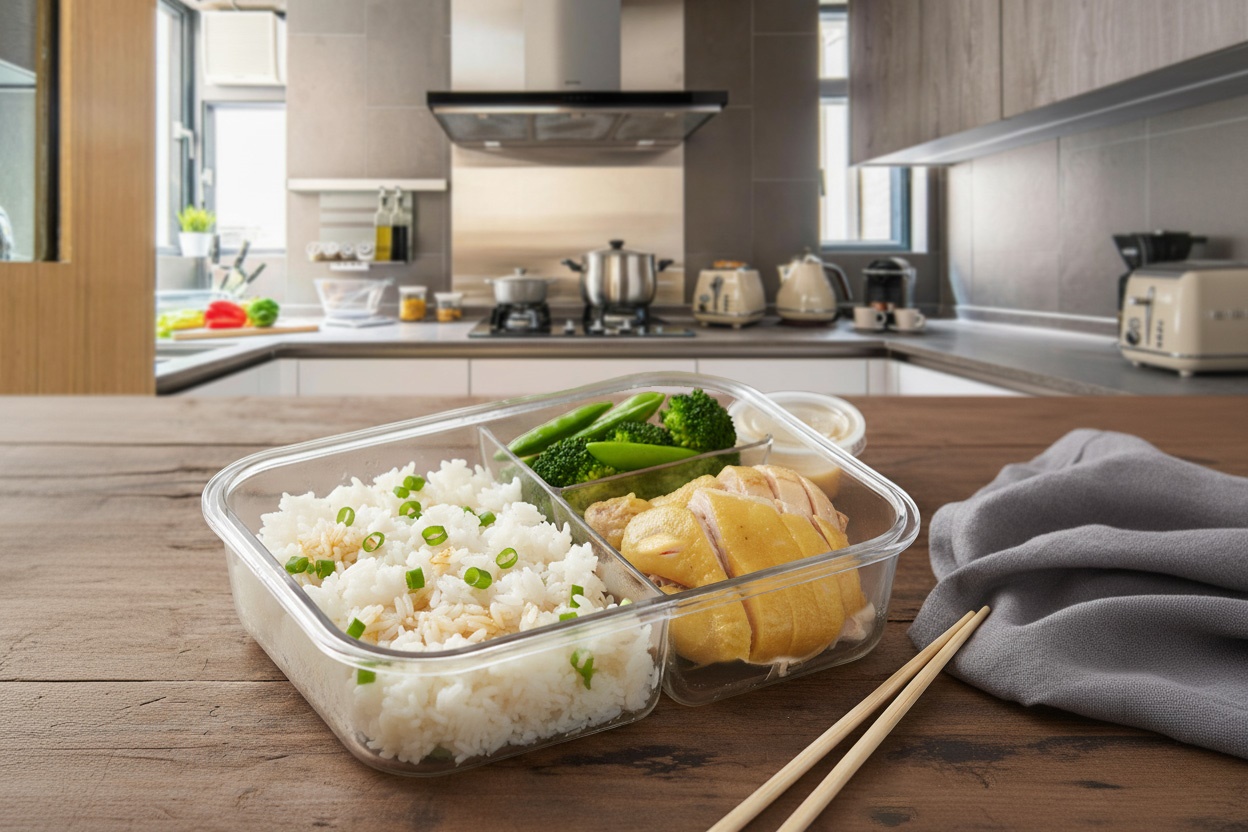
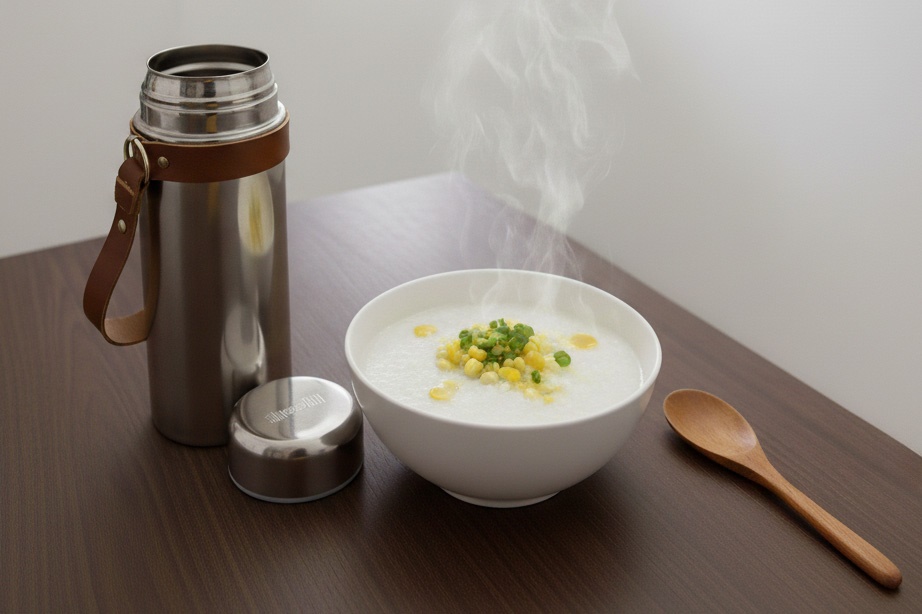
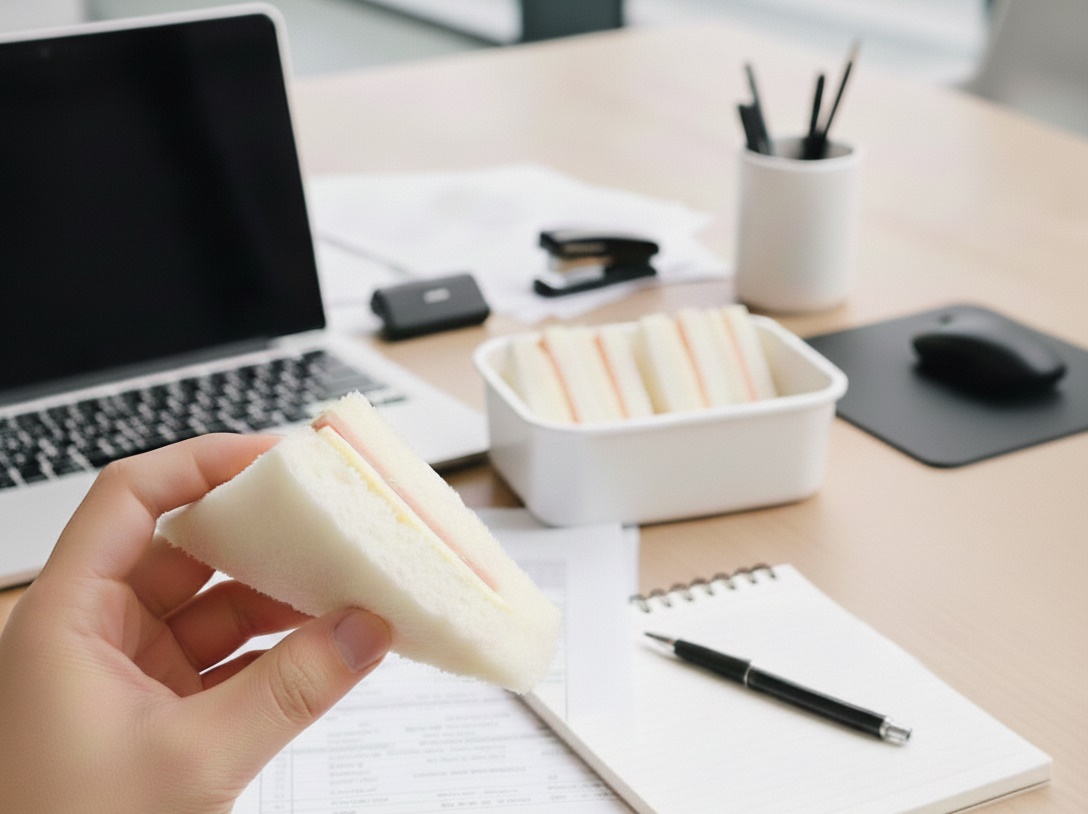
Figure 2: Lunch box with poached chicken, corn congee prepared with vacuum-insulated flask and ham sandwich.
Case 1 – Tender Chicken, Painful Cramps
Phyllis, a marketing executive, loved the taste of silky Cantonese poached chicken from last night's dinner. Wanting to enjoy it again, she packed the leftovers with rice into her lunchbox and slipped it into her handbag for her two-hour commute. At the office, she microwaved the chicken rice for only a minute without reheating it thoroughly, as she wanted to keep the chicken tender and juicy. By the next morning, she developed fever, abdominal pain and diarrhoea.
The hidden risk: This was a chain of errors — the chicken portion involved might have been undercooked to begin with, and can harbour various pathogens, which can multiply rapidly while food sits too long in the temperature danger zone during dinner and travel, and a short microwave blast often leaves cold spots, allowing pathogens to survive. Salmonella is commonly found in undercooked chicken. It can cause vomiting, diarrhoea, abdominal pain and fever. Symptoms are more severe in the elderly and young children.
Tips: Cook chicken until the centre reaches 75°C or above, refrigerate leftovers quickly, and use insulated bags with ice packs during transport. Always reheat food thoroughly, stirring halfway to ensure it is steaming hot all the way through.
Case 2 – The Mystery of Sour Congee, A Close Call
Helen, a software developer, liked the idea of saving time in the morning. Before bed, she poured rice, corn, and boiling water into her vacuum-insulated flask, imagining a hearty meal waiting for her at her desk. At lunch time, she opened it with excitement — only to be hit by a sour smell. Disappointed, she poured it away, but in truth, that sourness may have spared her from something worse.
The hidden risk: A vacuum-insulated flask is not a cooker. Overnight, the congee entered the temperature danger zone of 4°C to 60°C, and the spores of Bacillus cereus, typically found in rice that can survive boiling, might have produced toxins. Meanwhile, corn contains natural sugars, which provide an ideal environment for spoilage bacteria and yeasts to grow. Luckily, the sour corn warned Helen not to consume the congee because most pathogens such as Bacillus cereus and their toxins that might be present in the rice congee would not be noticeable.
Tips: Keep hot food hot. Cook the congee until it is steaming hot. Pre-warm the flask with boiling water before filling it, then seal it tightly to maintain the temperature. Do not leave food in a flask overnight.
Case 3 – Handy Ham Sandwiches, Sudden Upset
Simon, a construction site supervisor, often relied on sandwiches for his convenience. The night before work, he made himself a ham sandwich but did not wash his hands thoroughly beforehand. He stored the sandwich in the fridge and, the next morning, grabbed it and placed it in the same bag with his hot coffee. By lunchtime on site, he wolfed it down quickly before getting back to work. Not long after, he was hit with sudden nausea and repeated vomiting that left him unable to continue working that day.
The hidden risk: Staphylococcus aureus commonly lives on human skin, in the nose, and on hands. When Simon prepared the sandwich without washing his hands, the bacteria were transferred onto the ham. As the sandwich warmed up in his bag, the bacteria multiplied and produced heat-stable toxins. These toxins cannot be destroyed by reheating and are responsible for the rapid onset of symptoms — typically nausea, vomiting, stomach pain, and sometimes diarrhoea — within just a few hours of eating the contaminated food.
Tips: Always wash hands thoroughly before preparing food. Keep cold food cold — store sandwiches in the fridge until eaten, and transport them with insulated bags and ice packs. Do not pack cold sandwiches together with hot items. Never eat sandwiches that have been left at room temperature for more than four hours. Remember, once Staphylococcus aureus toxins form, they cannot be removed, even if the food is reheated.
Keep Your Food Safe
When bringing a packed meal, it is still essential to follow the Five Keys to Food Safety: Choose fresh, safe ingredients; Clean hands, utensils, and surfaces; Separate raw and ready-to-eat foods; Cook and reheat food thoroughly; and Safe temperature: keep hot food hot (>60°C) and cold food cold (≤4°C). For longer transport, especially make sure food stays within safe temperature ranges by using ice packs, insulated bags, or pre-warmed flasks. That way, your packed lunch fuels you and keeps you going through the day.