
Feature Article
Norovirus in Ready-to-eat Food
Norovirus is a highly contagious pathogen and as few as 10 to 100 norovirus particles can make someone ill. It is also the leading cause of acute gastroenteritis worldwide. In 2022, it caused the highest number of human outbreaks in the European Union and about half of all outbreaks of foodborne illnesses in the United States. It is notoriously difficult to eliminate. Norovirus can survive a wide temperature range from freezing point to 60˚C, and endure chlorine-treated water at levels up to 10 ppm. Infection cases are more prevalent during colder months, and symptoms include abdominal pain, nausea, vomiting and diarrhoea. While most people will recover within a day or two, it can be severe for vulnerable people, such as the elderly, young children, and those with weakened immune systems, sometimes resulting in death.
How is Norovirus Transmitted?
The only known host of norovirus is humans; it is spread primarily through the faecal-oral route. It can also be transmitted from person to person via droplets of vomit, which has affected more people than foodborne outbreaks have in recent years as reported in some countries. The key transmission routes of norovirus are:
- Contaminated Food: Consuming food contaminated at its source is a major risk. Shellfish like oysters and other bivalves can accumulate norovirus in polluted water. Besides, cross-contamination of ready-to-eat food may occur if food handlers do not wash their hands after handling raw food, mobile phones, money, rubbish or using the toilet, especially when they are symptomatic.
- Environmental Contamination: Norovirus can survive on various surfaces like stainless steel, ceramic, countertops, etc. for a day or more, allowing transmission via contact with contaminated utensils or surfaces.
- Dirty Hands: Infected individuals can shed norovirus in their faeces and vomit, contaminating their hands. If they fail to wash their hands properly after using the toilet, they can spread norovirus to food and surfaces. Notably, alcohol-based hand sanitisers cannot substitute hand washing with liquid soap and clean water as they are ineffective in killing norovirus.
Ready-to-eat Foods Commonly Contaminated with Norovirus
Numerous ready-to-eat foods have been linked to norovirus outbreaks in many countries, including:
- Sandwiches: They often require extensive handling and are consumed without further heating, increasing the risk of contamination.
- Shellfish: Oysters and other bivalves, especially when consumed raw or undercooked, can accumulate norovirus in polluted waters.
- Salads: Fresh produce, especially leafy greens, may be contaminated by polluted irrigation water or during preparation.
- Fruits: Fresh fruits may be contaminated by unclean water or hands along the food chain. Frozen berries, such as raspberries, were predominant in past outbreaks, as freezing cannot kill norovirus.
Importance of Maintaining Good Environmental Hygiene
Good Hygiene Practices (GHPs) are crucial. Besides handwashing, surfaces in food preparation areas must be cleaned and disinfected regularly. Norovirus can become airborne during vomiting, making clean-up essential. When cleaning up vomitus or stools, use a 1:49 diluted household bleach solution for disinfection:



Figure 1: Foods that are likely to be contaminated with norovirus, including shellfish, fruits (particularly berries), salads and sandwiches
- Wear protective gears, including disposable gloves and face masks. Use disposable paper towels for cleaning up and avoid using mops.
- Disinfect the contaminated area by applying the 1:49 diluted bleach solution, leaving it for 15-30 minutes to effectively inactivate the virus.
- Rinse the area with water and wipe it dry.
- Remove disposable gloves and wash hands thoroughly afterwards.
Preventive Strategies
To prevent norovirus infections, it is vital to control norovirus at both farm and individual levels:
- Cook Food Thoroughly: Ensure that shellfish are cooked to a higher core temperature (i.e. 90°C) for 90 seconds, or are boiled at 100°C until their shells open and then for another three to five minutes.
- Maintain Good Hand Hygiene: Wash hands thoroughly with liquid soap and water for at least 20 seconds and ensure that liquid soap and paper towels are readily available for use by staff.
- Avoid Cross-Contamination: Use separate utensils and cutting boards for raw and ready-to-eat foods, and regularly clean and sanitise food preparation areas.
- Educate and Monitor Food Handlers: Provide regular training on GHPs and the risks associated with norovirus. Staff should understand the importance of adhering to good personal hygiene and proper food handling. Food handlers who exhibit symptoms of infection should refrain from handling food until they have been symptom-free for at least 48 hours.
In summary, norovirus poses a significant risk due to its ease of transmission. Preventing the spread of norovirus from farm to fork and from person to person can ensure food safety for all.
Mascot ON in Lesson
Keeping Non-prepackaged Frozen Confections Safe
Frozen confection refers to any confection commonly sold for human consumption in a frozen or chilled state, such as soft ice-cream and frozen yogurt. While some may assume that frozen confections are always safe due to their low storage temperatures, they are indeed high-risk foods owing to the lack of heat treatment to eliminate pathogens before consumption. This article highlights foodborne pathogens that may be found in frozen confections, discusses the food safety challenges at points of sale, outlines control measures for reducing food safety risks, and offers tips for safe consumption.
Freezing Can Not Eliminate Microbiological Hazards: Pathogens Can Still Survive
Listeria monocytogenes is ubiquitous in the environment and may be present in frozen confections. It has been detected in milk harvested from cattle in ruminant farms and used for producing the flavours of frozen confections. Listeria monocytogenes is able to survive at low temperatures, and can even grow in refrigerated food. Consuming food contaminated with such bacteria can result in listeriosis, with gastrointestinal symptoms and even severe complications like septicaemia. Listeria monocytogenes infection is particularly risky for pregnant women as it can lead to miscarriage, stillbirth, preterm birth, and septicaemia or meningitis in the newborns.
In manufacturing frozen confections, eggs are another type of ingredients which can produce the desirable texture. Salmonella can be found in contaminated eggs from infected hens. Using unpasteurised eggs for food preparation can further increase the microbiological risk. Patients infected with Salmonella may develop salmonellosis, with symptoms such as watery diarrhoea, stomach cramps and vomiting.
Be Vigilant against Inadequate Cleaning and Disinfection
While cleaning such as mopping or rinsing aims to remove germs, dirt and foreign substances from surfaces, disinfection serves to kill the remaining microorganisms with disinfectants. In general, cleaning should be performed before disinfection. Incomplete or improper cleaning and disinfection during food preparation contributes to the contamination of frozen confections, which increase food safety risks.
When preparing non-prepackaged frozen confections, various equipment and utensils, including soft ice-cream or frozen yogurt dispensing machines and ice-cream scoops, are used. Since some machine parts, such as nozzles, are inevitably exposed to non-sterile conditions at room temperature when the machines are in operation, these parts are prone to environmental contamination, which may promote the growth of bacteria present in the trace amounts of frozen confections left in the machines. Moreover, scooping food may involve repeated manual handling and multiple contacts between the scoop and different containers, thus increasing the risk of cross-contamination between different surfaces. Incomplete or improper cleaning and disinfection of equipment and utensils may lead to proliferation of pathogens.
Proper Hygiene Practices Are Indispensable to Food Safety
As stipulated in the Frozen Confections Regulation (Cap. 132AC), food premises selling frozen confections must obtain relevant food business licences. Frozen confections for sale should not contain more than 50,000 bacteria per gram or more than 100 coliform bacteria per gram. In addition, all refrigerating devices for storing frozen confections should be kept clean and maintained in good order. Utensils used for serving or handling frozen confections must be kept clean to avoid the risk of contamination. Frozen confections handlers should maintain good personal hygiene.
Cleaning is essential for reducing food safety risks associated with non-prepackaged frozen confections as it removes dirt and food residues which promote microbial growth. Soft ice-cream and frozen yogurt dispensing machines should be cleaned according to the manufacturers’ instructions. The machine parts should be washed and soaked using approved bactericidal agents Note 1 and food-grade disinfectants. Unused food ingredients should be drained away and discarded after business hours. All removable parts should be dismantled, washed with disinfectants and rinsed with drinking water.
For scooped frozen confections, all utensils, including scoops, should be regularly cleaned and disinfected before and after use as well as during operation. Lids of frozen confection containers should be washed, disinfected and dried before placing them back onto the containers. Separate washing facilities should be used for hand washing and food preparation to reduce the risk of cross-contamination. In addition, food premises should adhere to Good Hygiene Practices (GHPs) Note 2 during food preparation. The figure below illustrates some key hygiene measures that can be adopted to minimise the risks associated with non-prepackaged frozen confections.

Figure 2: Hygiene measures to minimise the risks associated with non-prepackaged frozen confections include (i) dismantling the machine parts (left), (ii) rinsing and disinfecting the scoop (middle), and (iii) washing hands thoroughly (right)
Note 1: To view the list of approved bactericidal agents, please visit the Food and Environmental Hygiene Department's webpage or scan the relevant QR code:
https://www.fehd.gov.hk/english/howtoseries/approved_agents_machines/bactericidal_agents.html
Note 2: Further information on GHPs for food premises:
https://www.cfs.gov.hk/english/multimedia/multimedia_pub/multimedia_pub_fsf_176_02.html
Spot Check
Prepackaged Cold Cuts to be Eaten Cold or Cooked?
The recall of prepackaged cold cuts due to bacterial contamination is a food safety issue that has occurred globally and caused widespread concern. Last July, a batch of imported salami (Salmonella-contaminated) and a batch of imported turkey bacon (Listeria monocytogenes- contaminated) were recalled under the instructions of the Centre for Food Safety (CFS). Cold cuts can be kept in the refrigerator for a certain period of time. Some cold cuts are ready-to-eat (RTE), while some require further cooking. So how long can they be stored? Do we need to cook them? This article will explore these issues, and offer advice on how to use food labels to make informed choices.
What are cold cuts?
Cold cuts (aka deli meats, cold meats, etc.) are usually precooked and/or cured meats that are served cold. They also include cured meats that require further cooking. Curing is the addition of appropriate amounts of salt and nitrates/nitrites among other substances to raw or cooked meat for preservation and colour and flavour enhancement. They started as a way to survive food shortages, then transitioned to a premium delicacy enjoyed exclusively by nobles and later by the general public. While curing extends the shelf life of cold cuts, they still are perishable food that needs to be kept under refrigeration. RTE cold cuts (i.e. further cooking is not necessary before consumption) are considered high-risk foods. They are vulnerable to contamination during their journey from production facilities to consumers' homes if traders and consumers handle or store them improperly.
Shelf life of cold cuts is controlled by multiple "hurdles"
In making cold cuts from raw meat, methods other than heating (e.g. smoking, drying, curing, vacuum packaging and fermentation) are also used to extend their shelf life. These methods create inhibitory factors ("hurdles"), resulting in an unfavourable environment for microbial growth. Table 1 lists some of these factors that can be included in a Hazard Analysis and Critical Control Point (HACCP) plan for the manufacturing process of cold cuts.
Table 1: Examples of hurdles that slow down microbial growth in cold cuts
| Hurdle | Example |
| Physical |
|
| Chemical |
|
The growth of bacteria (including pathogenic bacteria) on cold cuts is affected by a number of physical factors such as temperature, salt content, water activity (aw) (i.e. water available for microbial growth)and pH. Each type of bacteria has an optimum temperature, salt content, aw and pH range for growth. For example, Listeria monocytogenes grows between pH 4.4 and pH 9.4, but its growth rate slows down under conditions close to the extremes of the pH range. Each factor, if not at its optimum, can become a hurdle to microbial growth, and hurdles originating from different factors can be combined to inhibit microbial growth effectively. Take cured meat as an example, the addition of salt reduces the aw in meat to about 0.98 to 0.96, which helps slow down bacterial growth while the addition of preservatives (e.g. nitrites) inhibits microbial growth and gives cured meat a pink colour.
Storing and handling cold cuts in according to instructions on food labels
Despite the presence of multiple hurdles to inhibit bacterial growth, cold cuts still have a clearly defined shelf life. In addition, mishandling by consumers, e.g. extended storage after opening, will increase microbiological risks. Therefore, manufacturers should convey key food safety messages to consumers through food labels (Figure 3). Such messages include:
- recommendations on further heat treatment; and
- "use by" dates and storage instructions (e.g. temperature and duration) for unopened products and the time limit for consumption after opening.
In addition to following the instructions on labels, consumers should never eat products that show signs of spoilage (e.g. mould, slimy surface and foul smell). Susceptible populations should avoid eating cold cuts, or heat them thoroughly before eating.
Key Points to Note
- Prepackaged cold cuts, which are usually prepared by cooking and curing raw meat, are high-risk foods, and some of them may need heat treatment.
- Cold cuts, which are perishable, must be refrigerated properly to prevent bacterial growth.
- Cold cuts should be handled according to the instructions on food labels.
Advice to the Trade
- Source cold cuts from reliable suppliers.
- Keep cold cuts under refrigeration at all times and monitor the temperature during their storage, transportation and display.
- Clearly label storage conditions and consumption instructions on prepackaged cold cuts for safe handling by consumers.
Advice to the Public
- Read food labels carefully for storage and handling instructions.
- Consume prepackaged cold cuts as soon as possible, refrigerate any uneaten portions, and finish them before the recommended time limit.
- Susceptible populations should avoid eating cold cuts. If they choose to eat them, they must heat them thoroughly.
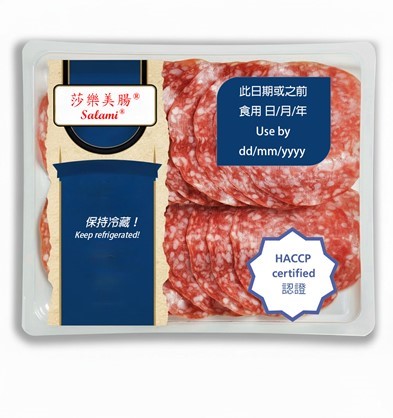
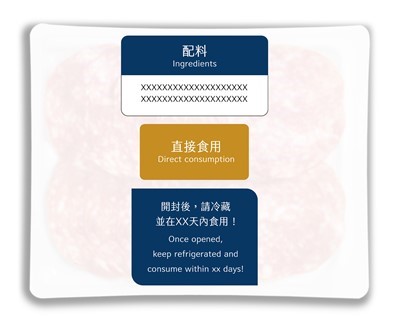
Figure 3: Susceptible populations should avoid eating raw or undercooked food, or food that has been chilled for an extended period.
Safe Kitchen/Trade Talks/Food Safety Guidelines
Safe Kitchen
Introduction to "Safe Kitchen" Scheme
To facilitate the adoption of the 5 Keys to Food Safety and GHPs by trade members, and ensure food safety in their daily operation, the CFS has integrated the existing channels of risk communication and launched a new platform, namely "Safe Kitchen", to communicate with the trade. The platform provides food safety information of greater practical importance to meet the operational needs of catering outlets.
The "Safe Kitchen" platform disseminates up-to-date food safety information (including food safety guidelines and legislative amendments) to the trade through a host of channels including WhatsApp, emails and dedicated webpages.
Under the "Safe Kitchen" Scheme, training materials tailor-made for the trade and workshops for kitchen staff will be provided to enhance their food safety and hygiene awareness. Members of the trade are welcome to scan the relevant QR code to download the registration form for the "Safe Kitchen" Scheme in order to receive the latest food safety information in a timely manner.
Trade Talks
Seasonal Food Safety Seminar 2026
The CFS is organising the "Seasonal Food Safety Seminar" from May to December 2026. This programme aims to enhance the food trade's understanding of the relevant information and explain how to take effective safety control measures to ensure food safety. Members of the food trade are welcome to attend the seminar, which will be conducted in Cantonese and is free of charge. Furthermore, each participant will receive a certificate of attendance (to be dispatched by post after the seminar).
Seminar Topics:
“Seminar on Import, Manufacture, and Sale of Rice Dumplings”
“Seminar on Food Safety – Manufacturing of Frozen Confections”
“Seminar on Import, Manufacture, and Sale of Mooncakes”
“Seminar on Manufacture and Sale of Poon Choi”
“Seminar on Buffet Style Catering”
“Seminar on Food Safety for Chinese New Year Foods”
For details, please browse the CFS’s webpage or scan the relevant QR code:
https://www.cfs.gov.hk/english/whatsnew/whatsnew_act/seasoal_food_safety_seminar_2026.html
Food Safety Guidelines:
1. Frozen Confections Prepared at Points of Sale for Immediate Consumption – Food Safety Guidelines for Food Businesses
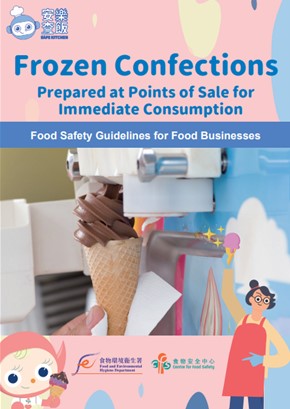
Frozen Confections Prepared at Points of Sale for Immediate Consumption – Food Safety Guidelines for Food Businesses published by the CFS aims to help the food trade ensure the food safety of frozen confections, which are high-risk foods as they are prone to contamination during preparation and are not subjected to heat treatment before consumption. This set of guidelines cover purchasing, storage, preparation, cleaning and disinfection, emphasising the need to use heat-treated pre-prepared mixtures, strictly control the storage temperature, keep the utensils clean and maintain good environmental hygiene, and comply with the heat treatment requirement under the Frozen Confections Regulation. The trade should step up staff training and adopt GHPs, with a view to preventing food safety incidents and safeguarding consumers' health. To download this set of guidelines for reference, you could scan the relevant QR code.
2. Frozen Confections Manufactured at Wholesale Level – Food Safety Guidelines for Food Businesses
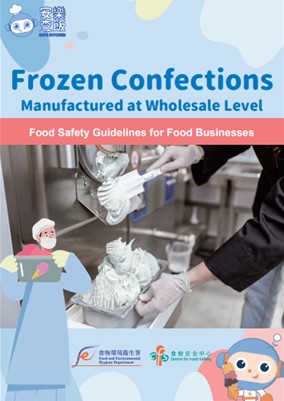
Moreover, the CFS has also published “Frozen Confections Manufactured at Wholesale Level – Food Safety Guidelines for Food Businesses” specially for frozen confection factories, emphasising the need to strictly control the temperature and time of pasteurisation during mass production and ensure that the finished products are stored at -18℃ or below to inhibit microbial growth. In addition, this set of guidelines remind the trade that if any ingredients (e.g. fruit juices, nuts) are added after heat treatment, such ingredients must have been pasteurised or additional heat treatment is required to prevent cross-contamination. The trade is also advised to implement the HACCP system and strengthen raw materials management, production control and staff training so as to comply with legal requirements and ensure food safety. To download this set of guidelines for reference, you could scan the relevant QR code.
News on CFS
1. The 92nd Meeting of the Trade Consultation Forum
The 92nd meeting of the Trade Consultation Forum was held on 26 March 2026. The CFS and the trade exchanged their views on topics including Sushi, Sashimi and Meat to Eaten Raw - Food Safety Guidelines for Food Business, Trade Guidelines on Regulation of Konjac-containing Jelly Confectionery, Microbiological Quality of Ready-to-eat Sauces and Like Products, Food Labelling of Prepackaged Food in Hong Kong, Food Safety Guidelines for Serving Raw Oysters, Updated Situations of "Advance Release Arrangement for Hong Kong-manufactured Food Products Entering the Mainland Market", and The Guangdong-Hong Kong-Macao Greater Bay Area Food Standards.
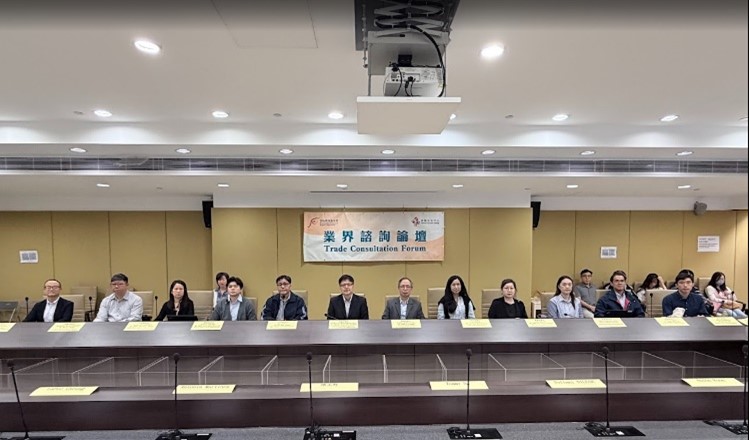
For details of the event, please visit the following webpage or scan the relevant QR code:
https://www.cfs.gov.hk/english/committee/Notes_and_Presentation_Materials_TCF92_20260326.html
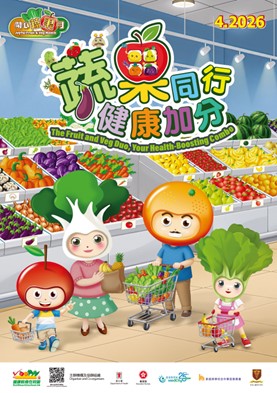
2. Promotion of the Habit of Eating Adequate Fruit by CFS and the Department of Health (DH)
The CFS has always supported the “Joyful Fruit Month” initiated by the DH. The campaign aims to promote the habit of eating adequate fruit every day and has received widespread support from schools and various sectors of the community over the years.
In April this year, the CFS even put up community posters with the theme of “Joyful Fruit Month” in public markets under the FEHD to continue to create a cheerful atmosphere and disseminate health messages.
3. CFS's New Exhibition Boards
Recently, three sets of new exhibition boards are on display in the exhibition room of the Communication Resource Unit of the CFS. Centred around the themes of “Know More about Choking Risk of Food in Infants and Young Children”, “Look Out for High-risk Foods, No Matter Where You Choose to Eat” and “Introduction to the Centre for Food Safety”, the exhibition boards provide information such as the choking risk of food in infants and young children, risks of high-risk foods, and the work of the CFS.
- Know More about Choking Risk of Food in Infants and Young Children
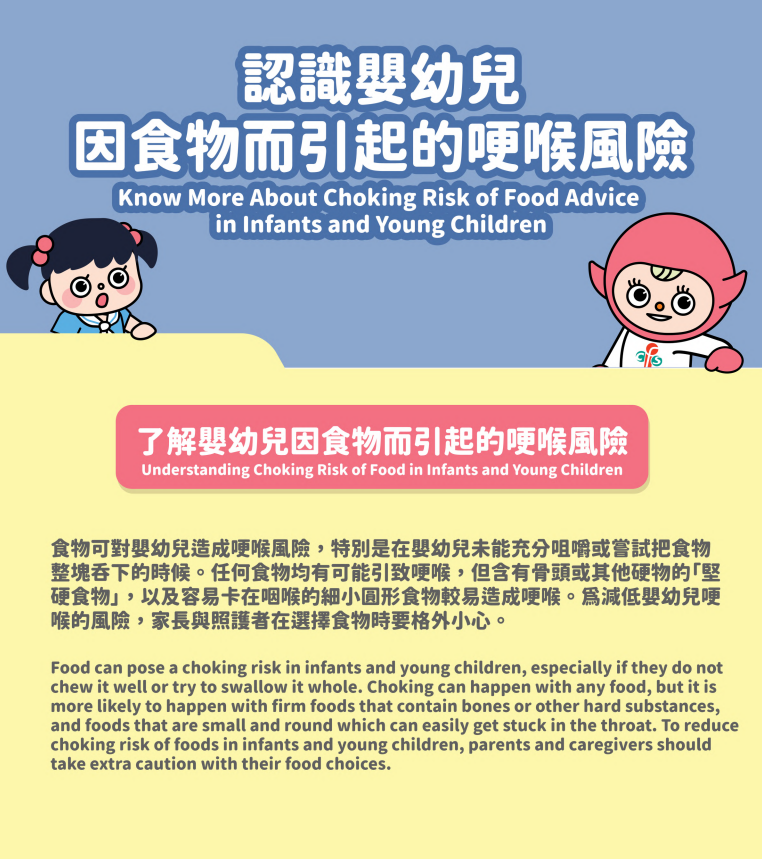
Please scan the QR code for details:
- Look Out for High-risk Foods, No Matter Where You Choose to Eat
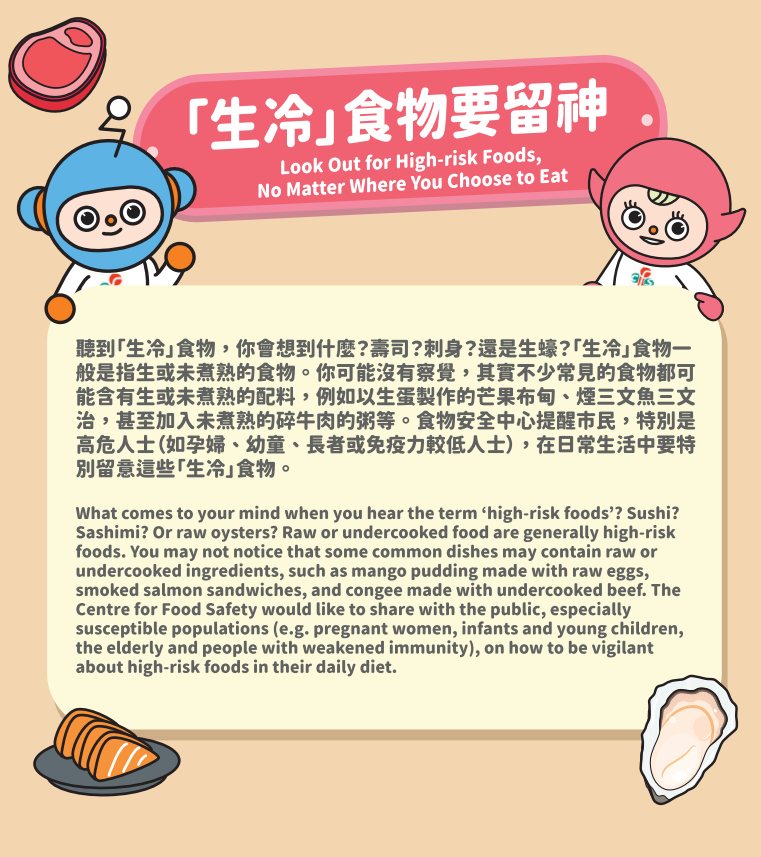
Please scan the QR code for details:
- Introduction to the Centre for Food Safety
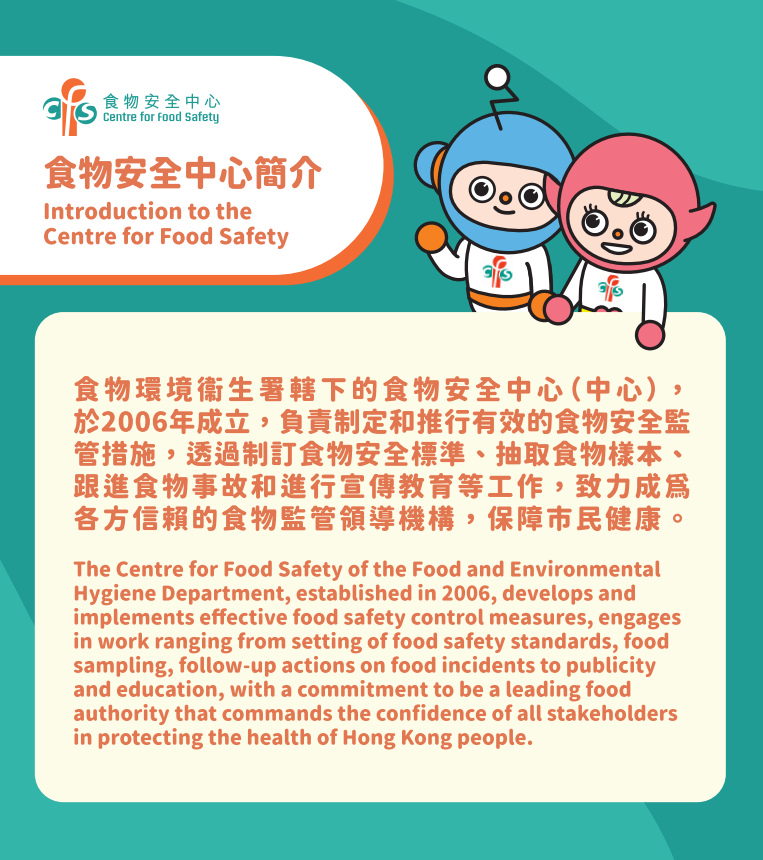
Please scan the QR code for details:
For people concerned with food safety, if they have any questions and want to learn more, they are welcome to visit the exhibition room, where relevant leaflets are also available for free. The address and opening hours of the exhibition room of the Communication Resource Unit are as follows:
Address: Room 401, 4/F, Food and Environmental Hygiene Department Nam Cheong Offices and Vehicle Depot, 87 Yen Chow Street West, Sham Shui Po, Kowloon
Office hours:
Monday to Friday: 8:45 am to 1:00 pm; 2:00 pm to 5:30 pm
Saturday, Sunday and Public Holiday: closed
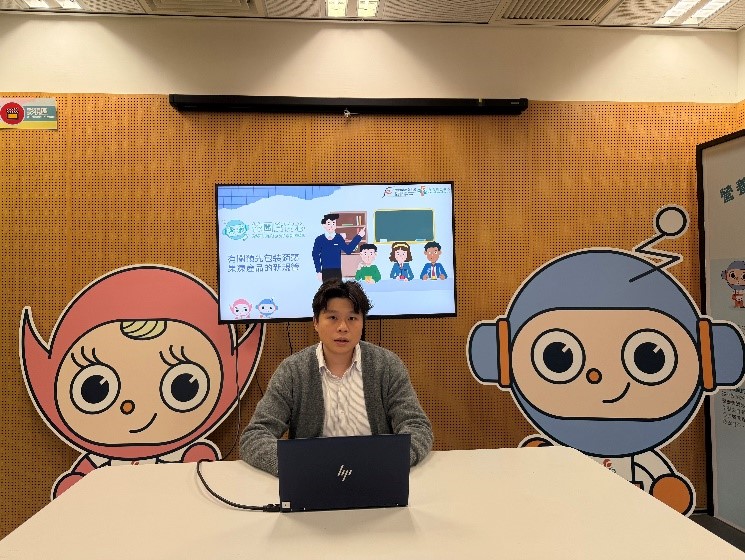
4. CFS's Online Talks on regulatory amendments to prepackaged konjac-containing jelly confectionery
The Food and Drugs (Composition and Labelling) (Amendment) Regulation 2025 came into effect on 1 April 2026, setting out new regulatory requirements for prepackaged konjac-containing jelly confectionery. To help the trade and school personnel understand the relevant requirements, the CFS held several online talks in March 2026.
The CFS held thematic talks for the food trade on 23 March and for personnel of primary and secondary schools, kindergartens and child care centres on 24 and 25 March, to explain the main provisions, points to note and enforcement arrangements of the amended regulation.
The CFS hopes that through these talks, the trade and educational institutions will have a better understanding of the new regulation and work together to create a safer catering environment.
Ask Our Mascots
Low-temperature Slow-cooking Not for Beans

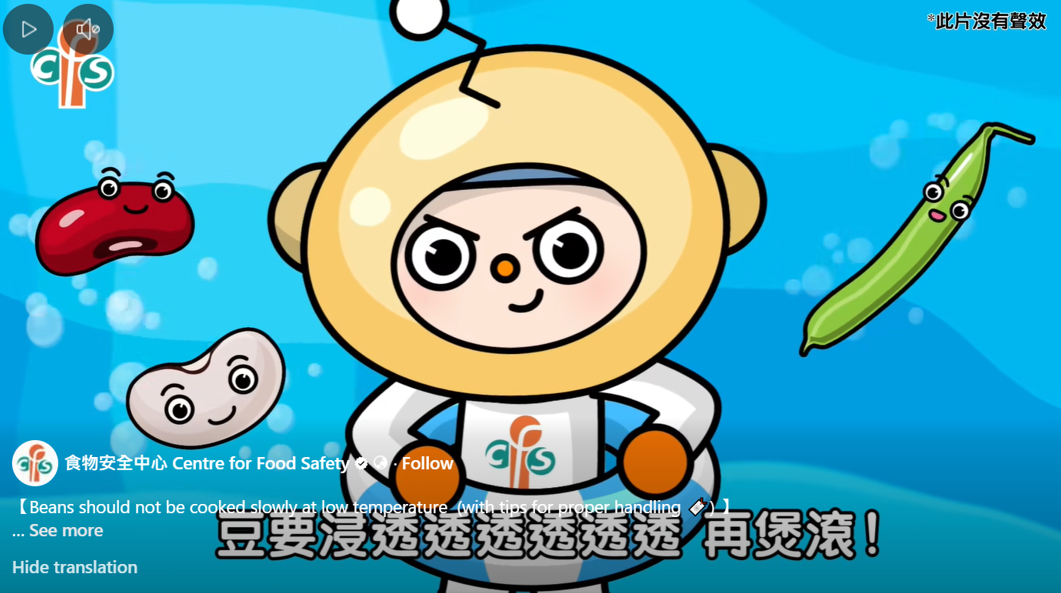
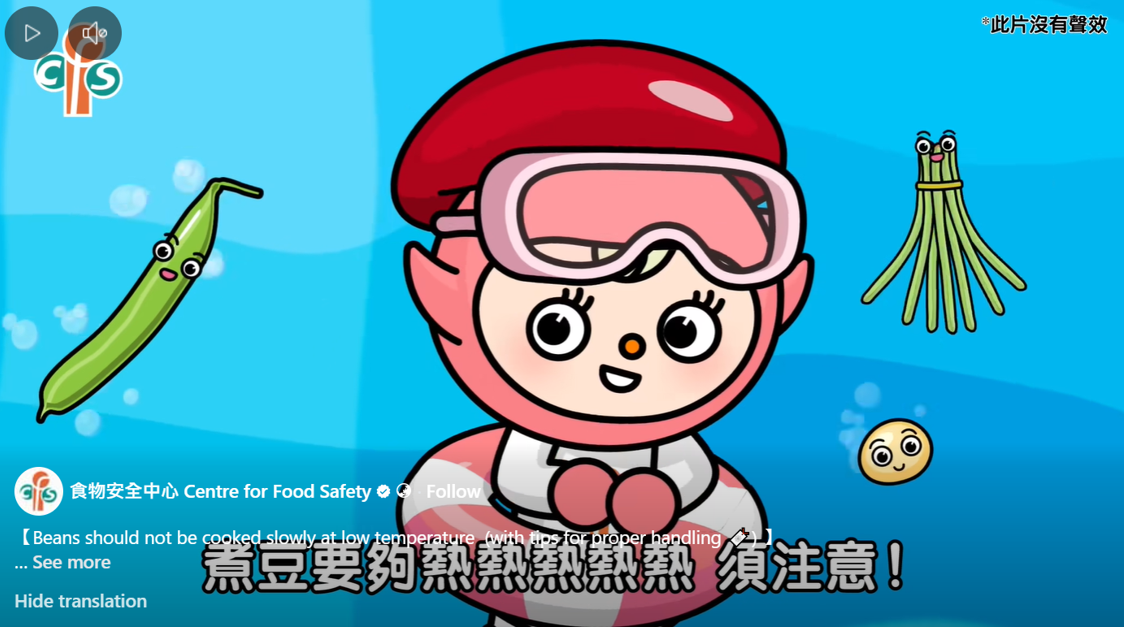

In recent years, more and more foods have been cooked using low-temperature slow-cooking method to keep them tender and reduce moisture loss. However, not all food ingredients are suitable for this cooking method. These include beans, which contain the natural toxin phytohaemagglutinin.
Lectins are present in many types of beans such as red kidney beans, soya beans, green beans and yard-long beans. Among these lectins, phytohaemagglutinin is involved in defence against plant pests and pathogens.
However, this lectin can agglutinate mammalian red blood cells, and interfere with cellular metabolism and absorption of minerals by the human body.
Consumption of raw beans can even cause phytohaemagglutinin poisoning, with symptoms including upper and lower gastrointestinal illness, vomiting and diarrhoea.
That said, we do not have to worry too much because the phytohaemagglutinin toxin in beans can be destroyed by soaking and boiling the beans thoroughly in fresh water (e.g. soaking for at least 12 hours and then boiling vigorously for at least 10 minutes in water). It is worth noting that previous studies showed that low-temperature cooking (at 85℃ for an hour) failed to inactivate the toxin. Therefore, beans should not be cooked at a low temperature, e.g. in a crock pot or slow cooker.
Here's how to eat beans: Soak them well, then boil them thoroughly!
Further information on phytohaemagglutinin poisoning:
Food Safety Quiz
- Which of the following is the major mode of transmission of norovirus?
-
Airborne transmission
-
Faecal-oral route
-
Vector bites and stings
-
Contact with animals
-
- Which of the following preventive measures is effective in eliminating norovirus?
-
Clean hands with alcohol sanitiser.
-
Heat food at 60℃
-
Disinfect the contaminated area by applying a 1:49 diluted bleach solution.
-
Keep food frozen below 0℃
-
- Which of the following can effectively reduce the risk of cross-contamination for non-prepackaged frozen confections?
-
Keep unused ingredients until the next day after business hours
-
Use the same wash basin to wash hands and prepare food
-
Clean and disinfect scoops and utensils regularly before and after use
-
Apply bactericidal agents only to the nozzles of the equipment
-

Diary of Mascot ON
Air-Land Fresh Lane Fully Launched
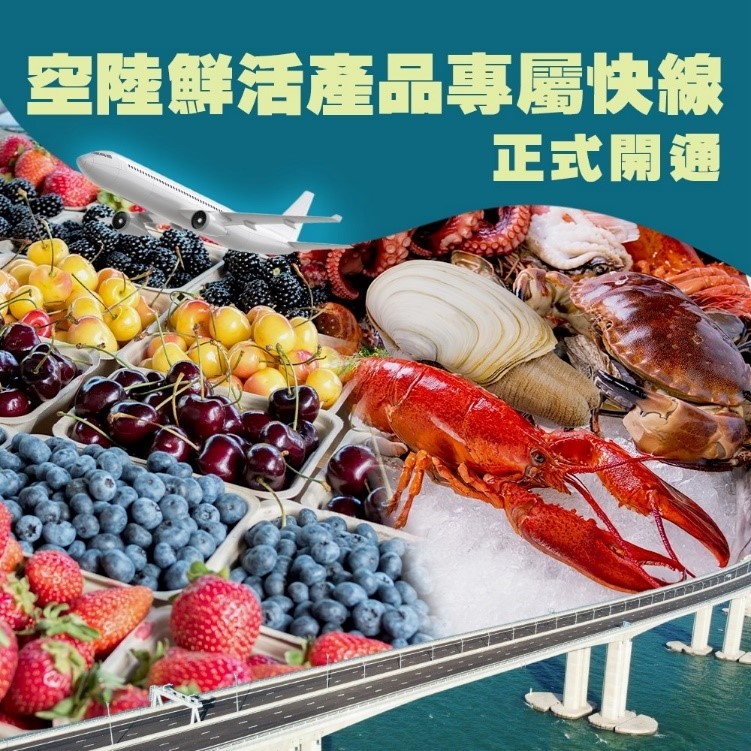
To further promote the economic development of the Guangdong-Hong Kong-Macao Greater Bay Area (GBA), the Air-Land Fresh Lane was formally launched on 26 September 2025. Under this new trade facilitation measure, a "green channel" has been established for fresh food products between the GBA and overseas markets.
The Air-Land Fresh Lane, jointly launched by the Hong Kong Customs, the Airport Authority Hong Kong, the Mainland Customs and the Zhuhai Municipal Government, aims to utilise the strengths of the Hong Kong International Airport and the Hong Kong-Zhuhai-Macao Bridge to facilitate the export of high-quality Mainland fresh products abroad and the import of overseas fresh products into the Mainland by adopting a new model and technological applications to expedite customs clearance.
To facilitate the implementation of the initiative, the CFS has been working closely with the Hong Kong Customs and the Mainland Customs to streamline the customs clearance process for fresh products. With the successful completion of its trial run, the Air-Land Fresh Lane enables rapid transshipment of fruits and chilled and live seafood, and has been well received by the trade.