Feature Article
Vegetable Washing Machines and Produce Washes – Are they Better Choices to Keep Food Safe?
As important parts of a balanced diet, fresh fruits and vegetables provide a variety of vitamins and minerals to support health. Washing the produce thoroughly is essential, whether for culinary preparation or direct consumption. This article will briefly explain the need for washing produce, discuss some principles and limitations of vegetable washing machines, and explore whether washing with produce washes is more desirable.
Why should Produce be Washed Before Consumption?
Most fruits and vegetables are grown on farmland. The produce may be contaminated by bacteria such as Escherichia coli O157:H7 or infested with pests like aphids from surroundings during the growing stage. Besides, farmers may apply chemicals, including pesticides, to secure crop yield and quality, and their residues may be left in the produce. Foreign substances such as soil particles, animal droppings and weeds may also be introduced into the produce during harvesting.
Washing fruits and vegetables can help remove the undissolved physical matter and water-soluble chemicals. Rinsing before peeling can also reduce the transfer of dirt and bacteria from the knife onto the unwashed fruit or vegetable. Although washing cannot eliminate microbes on produce, thorough rinsing of fresh produce is effective in reducing microorganisms on their surfaces.
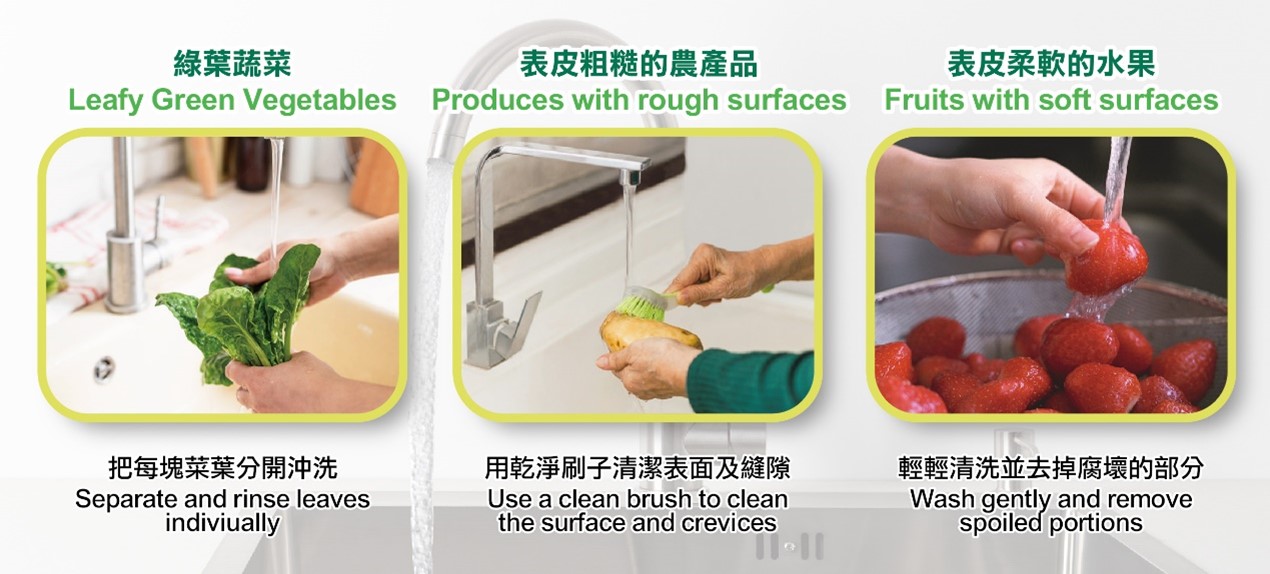
Figure 1: Points to note when using running water to wash fresh fruits and vegetables
Washing Produce with Machines - Technologies Adopted
To reduce manual work and expedite the cleaning process, vegetable washing machines adopting different technologies have been developed. The use of water currents for washing is one of the popular methods. The machines usually rub on the surfaces of fruits and vegetables with waves of water generated by rotation chambers, removing undissolved foreign substances and water-soluble compounds.
Another cleaning technique adopted by vegetable washing machines is the use of ultrasonic waves. By transmitting ultrasonic waves with frequencies beyond human hearing to liquid media like water, microbubbles that can clean food surfaces are generated. The bubbles eventually burst and create impact forces to collide with foreign substances on the produce surfaces.
Some vegetable washing machines use water purification technology such as hydroxyl radical water treatment to clean produce. With very strong oxidising capabilities, hydroxyl radicals can break down organic contaminants through REDOX and free radical chain reactions, which makes disinfection easier
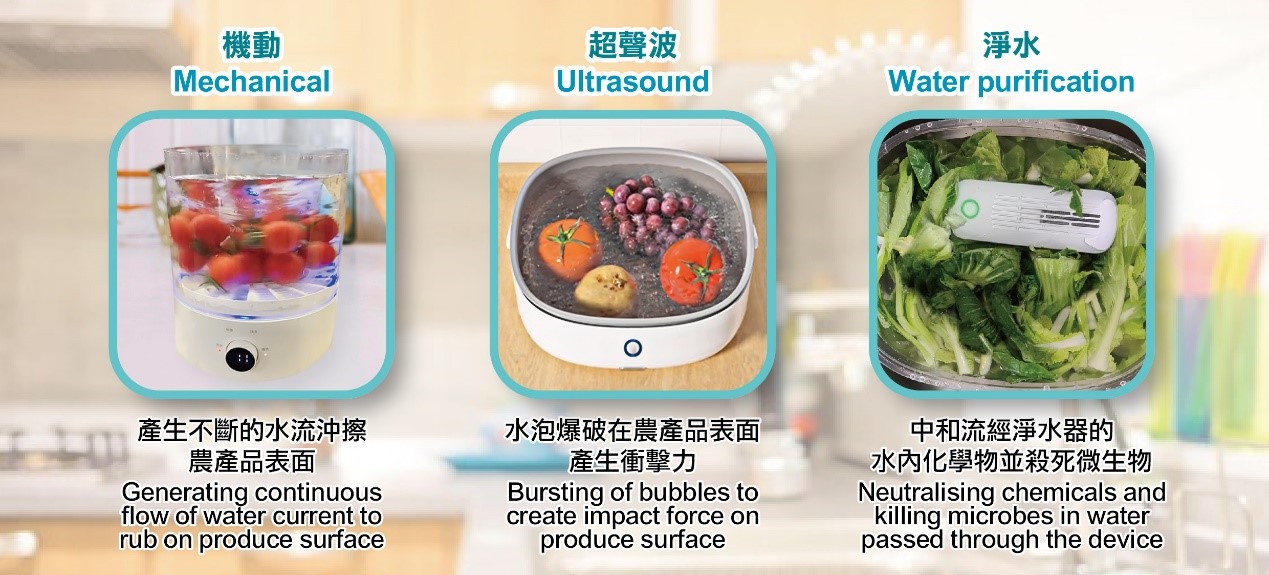
Figure 2: Some examples of vegetables washing machines
Limitations behind Using Vegetable Washing Machines
While different produce washing machines are equipped with specialized cleaning mechanisms, they may have their respective limitations. Mechanical washing is similar to manual washing. Nevertheless, for some models, the produce is stored in a closed system that may lack sufficient fresh water supply for removing unwanted substances from the containers, in contrast to manual washing under running water. Study findings revealed that a high water flow rate (8 L/min) for 20 seconds is necessary to significantly reduce total aerobic count and Enterobacteriaceae. The chemicals and microbes that remain in the water may re-contaminate the produce after washing.
For machines utilising ultrasound technology, using improper frequencies may damage tissues and shorten the shelf life of produce. The bursting of unstable bubbles may generate shearing forces on the produce, thus causing damage of plant cells and leakage of cellular contents. These damages may lead to tissue softening and nutrient loss in the produce.
Water treatment devices for purifying the water used for produce washing may have capacity issues. It is because only a limited amount of water can be passed into the machine for treatment. It may take a longer time to complete the washing for containers with larger water volumes. Besides, such devices may not be effective in removing the sticky substances adhered to the produce surfaces.
Produce Washes – Good for Enhancing Washing Performance?
Some may opt to wash fresh fruits and vegetables with products like produce washes in addition to running water, in the hope that the cleansing performance can be improved. However, the surfaces of produce are usually porous and can absorb the chemicals in produce washes, which may be difficult to remove completely and remain in the fruits and vegetables as residues after the washing process.
The public is advised to wash fresh fruits and vegetables thoroughly under running water without using soaps, special detergents or produce washes in the household setting.
Mascot ON in Lesson
1. Consuming Vegetables – Maximising the Benefits while Minimising the Risks
A balanced diet should include vegetables, as they are an important source of fibre and essential nutrients, including vitamins and minerals. Eating more fruits and vegetables helps lower mortality rates and prevent non-communicable diseases such as heart disease, stroke, colorectal cancer, type 2 diabetes and obesity. The World Health Organization (WHO) recommends that adults consume at least 400 grams of fruits and vegetables daily. Locally, the Department of Health gives similar advice. To maximise the health benefits of vegetable consumption, the public is urged to follow the health tips below. We will also take this opportunity to dispel misconceptions about preparing and storing vegetables.
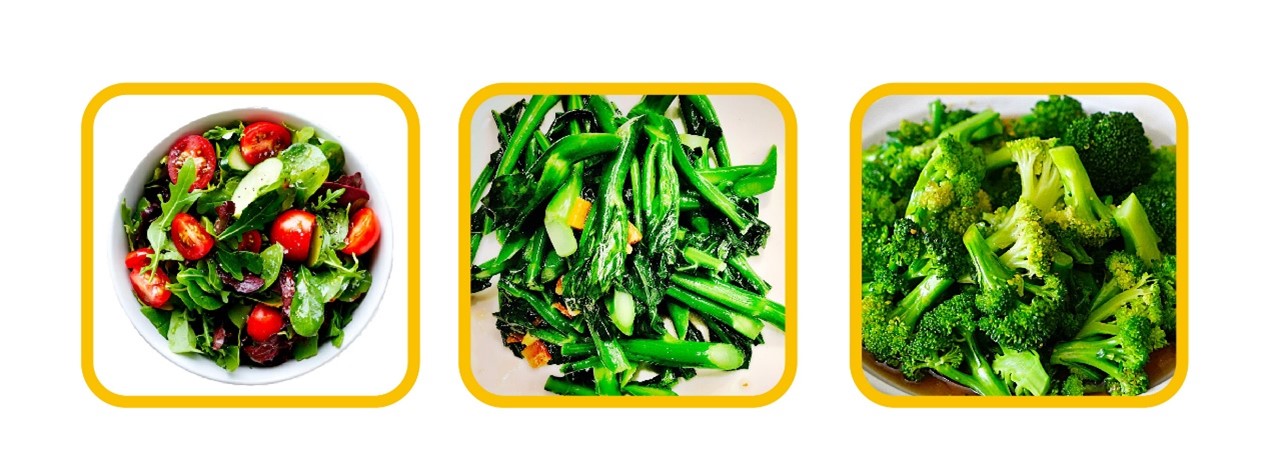 Figure 3: Salad and stir-fried vegetables
Are Salads Suitable for Everyone?
Vegetable salads are popular among health-conscious people because they are easy to prepare and can be enjoyed chilled. Nevertheless, salads are considered high-risk food as they are composed of a variety of raw ingredients without cooking and are ready to eat. While some nutrients (e.g. water-soluble nutrients like vitamin C) in raw vegetables are preserved better if not cooked, this also means that any pathogens present remain viable. Additionally, the extended period of chilled storage of pre-packaged salads particularly increases the risk of Listeria monocytogenes proliferation if contaminated. Therefore, susceptible individuals such as pregnant women, the elderly and those with weakened immune systems should avoid salads and uncooked vegetables. The public could refer to the Centre for Food Safety (CFS)’s guidelines on saladsNote 1 for preparing salads safely.
Vegetables: What are the Effects and Better Ways of Cooking?
While boiling vegetables is known to cause a considerable loss of water-soluble nutrients (e.g. vitamin C and folates), there are still some ways to minimise such loss. Indeed, the nutrient content of vegetablesNote 2 can be influenced by a variety of factors, including the types of vegetables, the nutrients involved, and the methods of preparation and cooking. Research shows that the shorter the cooking time and the less cooking liquid used, the more water-soluble nutrients are retained in vegetables. For instance, stir-frying vegetables after blanching or steaming retains water-soluble vitamins better than other cooking methods, while also reducing the formation of the process contaminant acrylamide. On the other hand, some studies suggest that compared with uncooked vegetables, cooked vegetables may cause either a small loss or even an increase in fat-soluble nutrients (e.g. beta-carotene and vitamin K) because cooking may make certain fat-soluble nutrients not readily absorbed and utilised by the body bioavailable.
Besides, cooking can eliminate some natural toxins present in certain vegetablesNote 3. For example, boiling can remove cyanide-containing compounds in bamboo shoots, and cooking with moist heat after soaking overnight can reduce the concentration of phytohaemagglutininNote 4 (a type of lectin) in kidney beans to a safe level. By removing phytohaemagglutinin, the interference with the absorption of minerals such as calcium, iron, phosphorus and zinc can also be reduced. Lastly, cooking can effectively eliminate pathogens that may come from the natural environment or cross-contamination (e.g. Salmonella, E. coli).
Is it Safe to Bring Cooked Vegetables for Lunch the Next Day?
Nowadays, some people discard leftover vegetables out of the concern that storing such vegetables overnight may increase their nitrite levels due to enzyme or bacterial activity. However, an earlier studyNote 5 conducted by the CFS revealed that nitrite levels of cooked vegetables do not increase after storing overnight (i.e., for 24 hours) in a refrigerator, as the conversion rate of nitrate to nitrite is low at temperatures between 0 and 4°C. To minimise the nitrite levels in vegetables, vegetables should be handled properlyNote 6 (e.g. storing vegetables in the refrigeratorNote 7, washingNote 8 or peeling them before cooking, and cooking them once chopped or mashed). Indeed, the European Food Safety Authority has stated that the benefits of eating fruits and vegetables outweigh any potential health risks associated with nitrate intake from these foods. If you intend to store cooked food overnight (e.g. for lunchboxes), it is advisable to pack only the amount you need right after cooking to prevent bacterial contamination. The food should be reheated thoroughly before consumption.
Conclusion
Understanding how to prepare and handle vegetables is crucial for maximising the health benefits of vegetable consumption. Susceptible individuals should avoid high-risk foods like raw vegetables, while others should prepare and store vegetables properly before consumption. With proper knowledge, consumers can reap the benefits of vegetable consumption while minimising the health risks.
Note 1 :Scan the QR code to read Salads - Food Safety Guidelines for Food Businesses:

Note 2 :More information on “Nutrient Values of Fruit and Vegetables” is available at the webpage below:
https://www.cfs.gov.hk/english/programme/programme_rafs/programme_rafs_n_01_04_01_fruit_veg_report.html

Note 3: More information on “Natural Toxins in Food Plants” is available at the webpage below:
https://www.cfs.gov.hk/english/multimedia/multimedia_pub/multimedia_pub_fsf_13_02.html

Note 4: More information on “Phytohaemagglutinin Poisoning” is available at the webpage below:
https://www.cfs.gov.hk/english/multimedia/multimedia_pub/multimedia_pub_fsf_208_01.html

Note 5: To learn more about “Risk Assessment - Nitrate and Nitrite in Leftover Cooked Vegetables”, please visit:
https://www.cfs.gov.hk/english/programme/programme_rafs/programme_rafs_fc_02_22.html

Note 6: Scan the QR code to read Proper Handling of Vegetables and Fruits – Advice to the Public and Trade:

Note 7: “Proper Storage – Key to Minimising Nitrite Level Increase in Cooked Vegetables” is available at:
https://www.cfs.gov.hk/english/multimedia/multimedia_pub/multimedia_pub_fsf_192_04.html

Note 8: For information on “Vegetable Washing Machines and Produce Washes – Are they Better Choices to Keep Food Safe?”, please visit:
https://www.cfs.gov.hk/english/multimedia/multimedia_pub/multimedia_pub_fsf_222_02.html

2. Knowing More about Choking Risk of Food – Advice for Parents and Caregivers
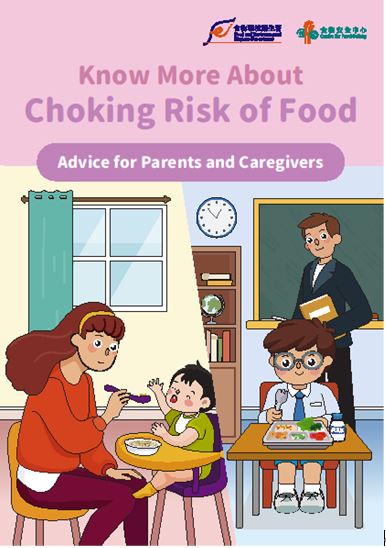
Published by the CFS, the booklet titled “Know More about Choking Risk of Food – Advice for Parents and Caregivers” aims to alert parents and caregivers to the possible risk of choking that infants and young children may face while eating. The booklet points out that small, round or hard foods (e.g. grapes, nuts and hard candy, etc.) are more likely to get stuck in the throat. Practical advice, such as cutting food into small pieces, maintaining a proper eating posture and supervising the entire eating process, is also provided. Moreover, the booklet highlights the importance of teaching children to chew slowly and swallow carefully, and outlines the procedures for handling emergencies, including referring to the guidelines published by the Primary Healthcare Office. Click the following link or scan the relevant QR code to view or download the above booklet online for reference:
https://www.cfs.gov.hk/english/multimedia/multimedia_pub/files/Choking_ENG_v07.pdf.

Dining Out
Choosing Oat-Based Foods Wisely for Best Nutritional Benefits
Due to its numerous health benefits, oat grain has been a popular food choice for health-conscious people particularly those following a high fibre and low sugar diet. However, some processed oat-based foods and beverages have recently come under scrutiny for their high sugar content, raising doubts about their potential health benefits. This article explores how to choose oat-based foods wisely to maximise their nutritional benefits.
Nutritional Value and Health Benefits of Oats
Oats are whole seeds from the Avena sativa plant. They are an excellent source of complex carbohydrates, rich in dietary fibre, especially the soluble fibre beta-glucan. Numerous studies have reported that regular consumption of oat products is associated with reduced cholesterol absorption, as well as a lower risk of cardiovascular diseases, cancer, diabetes and gastrointestinal disorders. These health benefits are largely attributed to the inherent low sugar content and high fibre content in oats, which help to reduce the absorption of cholesterol, and slow glucose uptake into the blood stream. Moreover, fibre-rich foods promote satiety, reducing the likelihood of overeating and thereby lowering the risk of obesity and chronic diseases.
Choosing Oat-Based Foods to Maximise Health Benefits
Although oat grain is highly nutritious, the health benefits of oat-based foods can vary significantly depending on factors such as processing procedures and added ingredients. For example, oat-based foods cooked with high-fat ingredients like pâté may have adverse effects on our cardiovascular system due to their high calorie and fat content. Thus, consumers should pay attention to the ingredients used in oat-based foods.
In general, unrefined whole oat products are healthier than their highly processed alternatives. Whole grains such as oat groats, steel-cut oats, and rolled oats retain most of their fibre content and nutritional value because they undergo minimal processing. Consumers are encouraged to choose these less refined options and pair them with low fat, low sugar ingredients for a healthy, balanced diet. On the other hand, highly processed oat-based products, such as prepackaged oat cereal mix, muesli, granola, oat bars and oat beverages, often contain added sugars, syrup, honey and chocolate, which increase their sugar and fat content. Even if some oat milk beverages are advertised as “unsweetened’ or “with no added sugars”, they may still contain certain amounts of sugars due to the breakdown of complex carbohydrate during the production process. Therefore, it is essential to carefully read the ingredient list and nutrition label to assess the actual nutrient content and compare different products. Opting for oat products with high fibre, low fat and low sugar content is the key to maximising their health benefits.
Choose Oat-based Foods Wisely to Reduce Sugar Intake
Oats can be part of a healthy diet that aligns with the recommendation of low sugar intake. To lower the risk of obesity, diabetes and other non-communicable diseases associated with excess consumption of free sugars and high calories, the WHO recommends limiting the intake of free sugars to less than 10% of total daily energy intake. For an adult consuming a 2,000 kcal diet, this equals to less than 50g of free sugars (about 10 sugar cubes) per day. Here are some ways to incorporate oat-based foods and beverages into a balanced, low sugar diet:
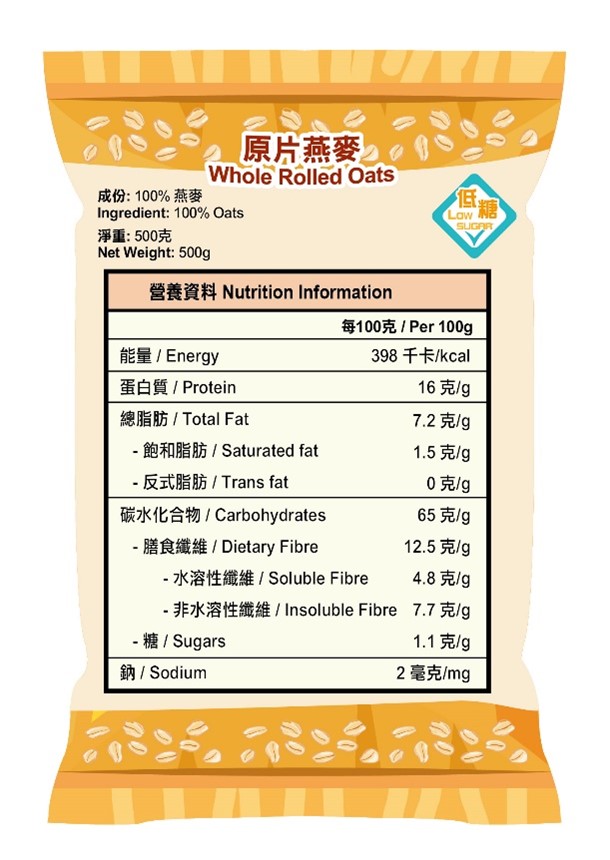
Figure 4: Read the ingredient list and nutrition label on the package to choose food products with low sugar content.
- Choose plain, unprocessed oats: Opt for minimally processed oats like oat groats, steel-cut oats or rolled oats. Enhance their flavour with fresh fruits or nuts instead of sugar. Prepare oatmeal and oat-based foods at home allows you to control the amount of sugar used.
- Read nutrition labels carefully: When selecting prepackaged oat-based foods and beverages, compare different products and choose those with low sugar content. Be mindful of portion sizes. Foods containing not more than 5g of sugars per 100g of solid food or 100 ml of liquid food are considered low in sugarsNote 1.
- Check the ingredient list: Avoid or limit products with added free sugars which may appear as high fructose corn syrup, sucrose, fructose, maltose, honey, molasses, or other types of sugar, etc.
- Consume oats in moderation: Incorporate oats as part of a balanced diet. Other healthy cereal options include barley, quinoa, red rice, brown rice, and whole-wheat bread.
Note 1: To learn more about “low sugar”, please visit:
https://www.cfs.gov.hk/english/programme/programme_rdss/programme_Salt_Sugar_Label_Scheme.html

Healthy Eating Basics and Smart Food Choices
Healthy Eating Basics
1. Obsession with Sodium

As a celebrity chef and gourmet, I, Anh Sung-salt, do not just settle for “tasty” when it comes to dim sum, its “sodium content” is a big deal too...
A skilled chef can make a dish of “high doneness” without relying on the use of high-sodium ingredients. The CFS found that even if some dim sum had 10% to 20% less sodium, people could not tell the difference in taste. So, reduced-sodium dim sum absolutely brings no harm but benefits! As a more thoughtful option, serve sauces on the side to let diners decide for themselves whether to dip them.
When I order food, I always request sauces on the side. Maintaining a balanced diet with less salt and sugar is how I can go far in my journey as a gourmet.
Smart Food Choices
Bitter Gourd and Minced Pork Omelette
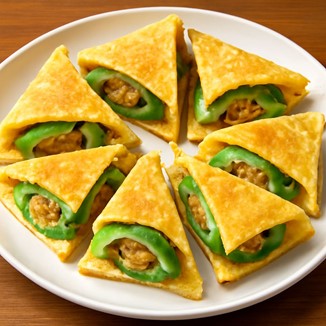
When it comes to summer delicacies, bitter gourds (bitter melons) are definitely on the list. As a “3 low” choice, this “Bitter Gourd and Minced Pork Omelette” is super easy to make with only three ingredients. With both protein and dietary fibre, it is definitely a healthy and delicious home-style dish.
Adding bitter gourds to the usual omelette instantly makes the dish distinctive and colourful. Just looking at it will whet your appetite. Best of all, the recipe uses less salt, sugar and oil, so it is healthy without the concern of gaining weight. It really suits Hongkongers’ tastes.
Ingredients (serving 4) are very simple: 80gm of bitter gourd (shredded), 40gm (1 tael) of lean pork (chopped), 4 eggs, cornstarch for taste, 3 teaspoons of soya bean oil and ⅓ teaspoon of salt for seasoning.
The cooking steps are even simpler:
- Blanch the bitter gourd and lean pork. Set aside.
- Add salt and cornstarch to the eggs. Beat well. Add the bitter gourd and lean pork. Mix well.
- Heat the wok and add oil. Pour the egg mixture and cook till it sets. Done!
Click the link below for the recipe:
https://restaurant.eatsmart.gov.hk/eng/content.aspx?content_id=627

Do you want to try it right now? Make it for dinner tonight!
News on CFS
1. Watch and Learn – Let’s Subscribe to the CFS WhatsApp Channel
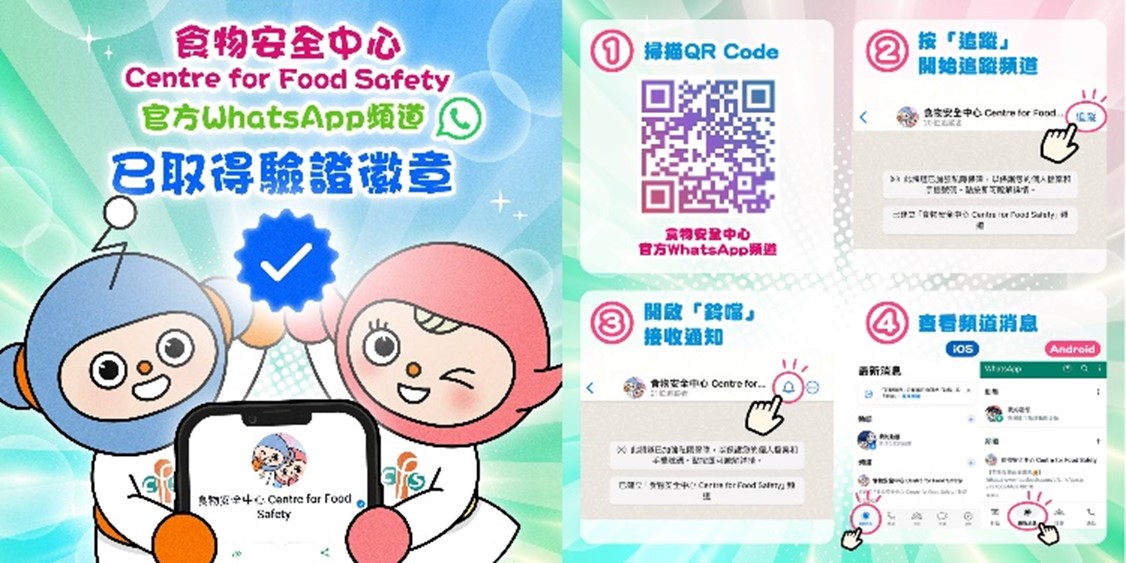
A verified Blue Check badge has been added to the CFS’s newly launched official WhatsApp channel. This certification shows that WhatsApp has confirmed the authenticity of the CFS’s channel. By subscribing to the channel, one can obtain timely updates on local food safety matters and food safety information. These include links to educational videos, food alerts and various food safety related activities. The posts on the channel are enhanced with graphic illustrations and clear explanations to help the public grasp key food safety messages effectively.
To subscribe to our official WhatsApp channel (in Chinese only), one can scan the QR code in the illustration below, press “Follow” and click the “bell”. Besides, the CFS posts regularly on various social media platforms, such as Facebook and Instagram, and uploads different videos on YouTube to enhance its communication and interaction with the public.
2. CFS’s Webinars on “Safe Food at School” and “Food Safety of Student Lunch Boxes” for 2025/26 School Year

The CFS strives to ensure food safety at school by conducting yearly and territory-wide inspections of licensed food factories supplying lunch boxes for schools and organising trade talks to remind lunch box suppliers to adhere to Good Hygiene Practices when preparing food. With the approach of the 2025/26 school year, the CFS held webinars on “Food Safety of Student Lunch Boxes” on 26 June and 19 August for student lunch box suppliers and “Safe Food at School” on 11 July for school staff respectively. They covered the safety issues of lunch boxes, high-risk foods, the risk of choking and food allergies, etc. Suppliers were also reminded to follow basic food hygiene/safety principles and ensure that staff members observe good personal and environmental hygiene.
3. Food Safety Talks for Designated Catering Service Providers of National Games
To support the preparation work for the 15th National Games (NG) in 2025 and ensure the highest standards of food safety and hygiene for athletes and guests during the event, the CFS organised food safety training talks for management personnel and catering staff of designated reception hotels for the 15th NG on 7 August, 26 August, 30 September, 21 October and 5 November 2025.

4. CFS’s Specialised Talks on Food Safety Advice for Manufacture of Frozen Confections
Food traders, particularly those handling high-risk foods such as frozen confections, need to be vigilant in summer, when the hot and humid climate of Hong Kong presents a higher food safety risk. To enhance the trade’s awareness in this area, the CFS held specialised talks on 27 August and 11 September 2025 to provide food safety advice for the manufacture of frozen confections and explain the keys points on food safety control in the manufacture and sale of frozen confections to prevent food poisoning incidents.


5. Technical Meeting with the Trade on the Food and Drugs (Composition and Labelling) (Amendment) Regulation 2025 for Regulation of Konjac-containing Jelly Confectionery
The Food and Drugs (Composition and Labelling) (Amendment) Regulation 2025 (Amendment Regulation) was passed by the Legislative Council on 20 August 2025 and is scheduled to take effect on 1 April 2026 to strengthen the regulation of prepackaged konjac-containing jelly confectionery. The Amendment Regulation stipulates that mini-cup konjac-containing jelly confectionery with a height or width not exceeding 45 millimetres is prohibited for sale, and that other konjac-containing jelly confectionery must be labelled with choking warning statements on their packaging to remind consumers, especially children and the elderly, to exercise caution during consumption. Given that the product design and texture of mini-cup konjac jellies may increase the risk of choking, the Government has also been promoting relevant health education through various channels to enhance public awareness of the safe consumption of konjac jellies. The CFS has developed a set of guidelines for the trade, and held a technical meeting with the trade on 28 August 2025 to facilitate their understanding of and compliance with the new requirements.

6. The 90th Meeting of the Trade Consultation Forum
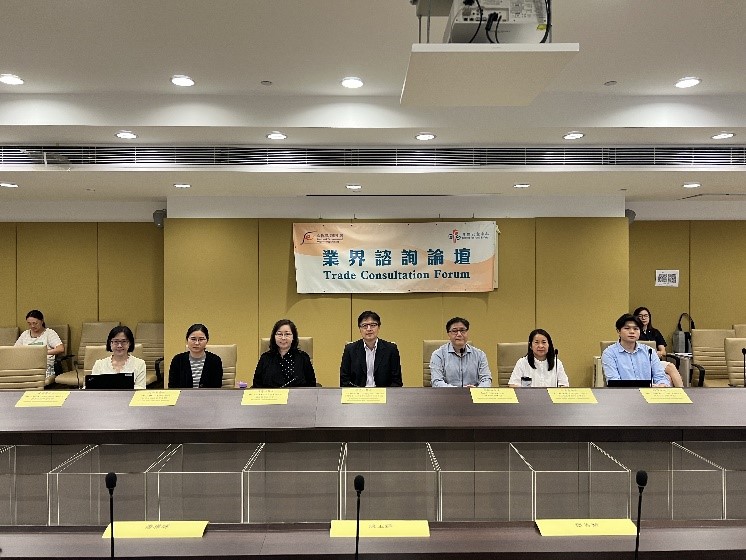
The 90th meeting of the Trade Consultation Forum was held on 19 September 2025. The CFS and the trade exchanged their views on topics including “Food Safety Guidelines for Street Food Stalls”, “Food Safety Advice on Prepared Dishes”, “The Food and Drugs (Composition and Labelling) (Amendment) Regulation 2025 for Regulation of Konjac-containing Jelly Confectionery”, and “Food Labelling of Prepackaged Food in Hong Kong”. For details of the event, please visit the following webpage or scan the relevant QR code:
https://www.cfs.gov.hk/english/committee/Notes_and_Presentation_Materials_TCF90_20250919.html

Ask Mascot ON
A Delay with Fishy Consequences

Dr. On says: “To prevent a delay with fishy consequences, when you bring fish home, if you are not cooking or eating it right away, make sure to put it in the fridge as soon as possible.”
Mackerel, sardines, tuna, anchovies and their products require extra caution in handling. These fish species contain higher levels of histidine, which will be converted into histamine by bacteria if the fish is handled and stored at room temperature for an extended period after harvesting. The ingestion of such fish causes scombrotoxin fish poisoning (SFP) in humans.
Symptoms of SFP include a tingling and burning sensation around the mouth, facial flushing, sweating, nausea, vomiting, headache, palpitations, dizziness and rash.
Histamine is heat-stable. Once formed, it cannot be destroyed by cooking, canning or freezing. Therefore, the prevention of SFP Note 1 has to start from the source:
- Purchase fish from reliable and hygienic sources;
- Do not purchase or eat fish with any sign of spoilage, such as off-odour, texture breakdown and discoloured flesh;
- Chilled fish and fishery products should be stored at 4℃ or below, while frozen products at -18℃ or below;
- Cooked fish and ready-to-eat fish products (e.g. tuna sandwiches) can be re-contaminated with bacteria, and should be kept under refrigeration if they are not consumed immediately;
- Do not defrost frozen fish and fishery products at room temperature. Make use of a refrigerator compartment or a microwave oven instead.
Note 1: To learn more about SFP, please scan this QR code.

Food Safety Quiz
- Which of the following is the best way to wash fresh vegetables and fruits?
- Use a vegetable washing machine
- Use produce washes
- Wash thoroughly under running water
- Ultrasound technology
- Which of the following statements about cooking and storing vegetables is correct?
- Raw vegetables in salads are completely free from the risk of pathogens and safe for consumption by all people.
- Cooking vegetables causes a total loss of all water-soluble nutrients (e.g. vitamin C and folates).
- Nitrite levels of cooked vegetables do not increase substantially after storing overnight (i.e., for 24 hours) in a refrigerator (between 0℃ and 4℃).
- Blanching vegetables for an extended period is the best way to preserve water-soluble nutrients in them.
- Which of the following suggestions can best help consumers choose healthy oat-based foods to maximise the nutritional benefits and reduce sugar intake?
- Choose prepackaged oat-based foods containing high fructose corn syrup for enhanced taste.
- Choose highly processed oat-based beverages because they typically contain no added sugars.
- Choose plain, unprocessed oats and enhance their flavour with fresh fruits or nuts.
- Eat oat bars containing honey and chocolate frequently because they are rich in fibre.

Diary of Mascot ON
Don't Eat Mouldy Peanuts

Peanuts are so crunchy and tasty that it can be hard to stop once you start snacking on them. However, mouldy peanuts may contain excessive amounts of aflatoxins, which have been classified as a human carcinogen and may cause liver cancer. Moreover, serious cases of acute poisoning can result in liver damage or even death.
Aflatoxins are a group of toxic compounds produced by mould of the Aspergillus family, especially under high humidity and high temperature. If crops are not properly handled and stored after harvest, they may be contaminated. Peanuts, tree nuts, corn, dried figs and cereals are among those commonly affected. Being colourless, tasteless, odourless and heat-resistant, aflatoxins are a hard nut to crack indeed!
Since mould is ubiquitous in nature, it is pretty much impossible to totally eliminate aflatoxins from food. However, consumers can minimise the risk by following the advice below:
- Purchase food from reliable sources;
- Store food properly according to the manufacturer’s instructions;
- If you find food that looks mouldy or damaged, throw it away immediately. Do not think a little bit is fine!
To learn more about “Aflatoxins in Food”, please visit:
https://www.cfs.gov.hk/english/programme/programme_rafs/programme_rafs_fc_01_16_report.html#att