Food Adulteration (Metallic Contamination) (Amendment) Regulation 2025 ("the Amendment Regulation")
| Q1. | The Amendment Regulation added maximum levels (MLs) of methyl-mercury in six specified fish species. Are there any other common names referring to the six specified fish species? |
|||||||||||||||||||||
| A1. |
The following lists some common names of the fish species specified in the Amendment Regulation.
|
| Q2. | The Amendment Regulation added/updated MLs of cadmium and lead in edible fungi. As some of the edible fungi sold in Hong Kong are in dried form, would the Government provide a list of conversion factors that has been used for interpreting MLs of metal in edible fungi that has gone through a process of drying/dehydrating? | ||||||||||||||||||||||||||||
| A2. |
According to regulation 3(2)(b) of the Cap. 132V, “the ML of a specified metal in a specified food that has gone through a process of drying, dehydration or concentration is to be proportionally adjusted according to the change in the concentration of the metal in the food caused by the process.” For the interpretation of the MLs of metal in the food, the conversion factor that accounted for the changes in metal in the food caused by the process can be derived from:
It is important to note that the water content of a food sample before and after drying or dehydration may vary with a number of factors including species, seasons, geographical locations, processing requirements, etc. Therefore, direct laboratory analysis of the water content of the food sample before and after processing will provide a better estimate of the conversion factor. If generally accepted data is used to estimate the conversion factor, the trade should ensure that the data sources are accurate and reputable. Examples of food composition databases from adjacent regions are listed in Annex II of the Guidelines on Food Adulteration (Metallic Contamination) Regulations. Examples of conversion factors for selected edible fungi in dried form are illustrated below:
* The MLs in the Amendment Regulation apply to products in dried form. |

| Q3. | The Amendment Regulation added MLs of cadmium in chocolates containing or declaring different percentages of total cocoa solids on a dry matter basis. Is it necessary to consider conversion factor for interpreting MLs of cadmium in chocolates? |
| A3. | Conversion factor is not required for interpreting MLs of cadmium in chocolates. The percentage of total cocoa solids declared on the packaging of the product should refer to the percentage on a dry matter basis. |
| Q4 | What is “fish balls / fish cakes”? What are the products commonly found in local market? |
| A4. |
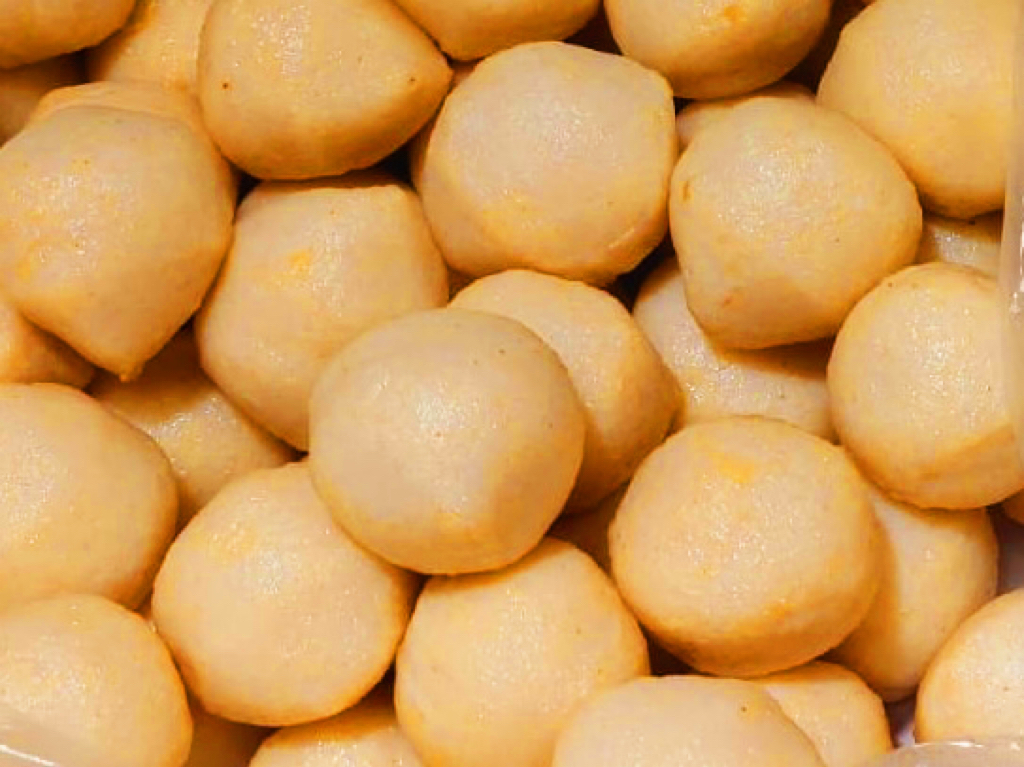
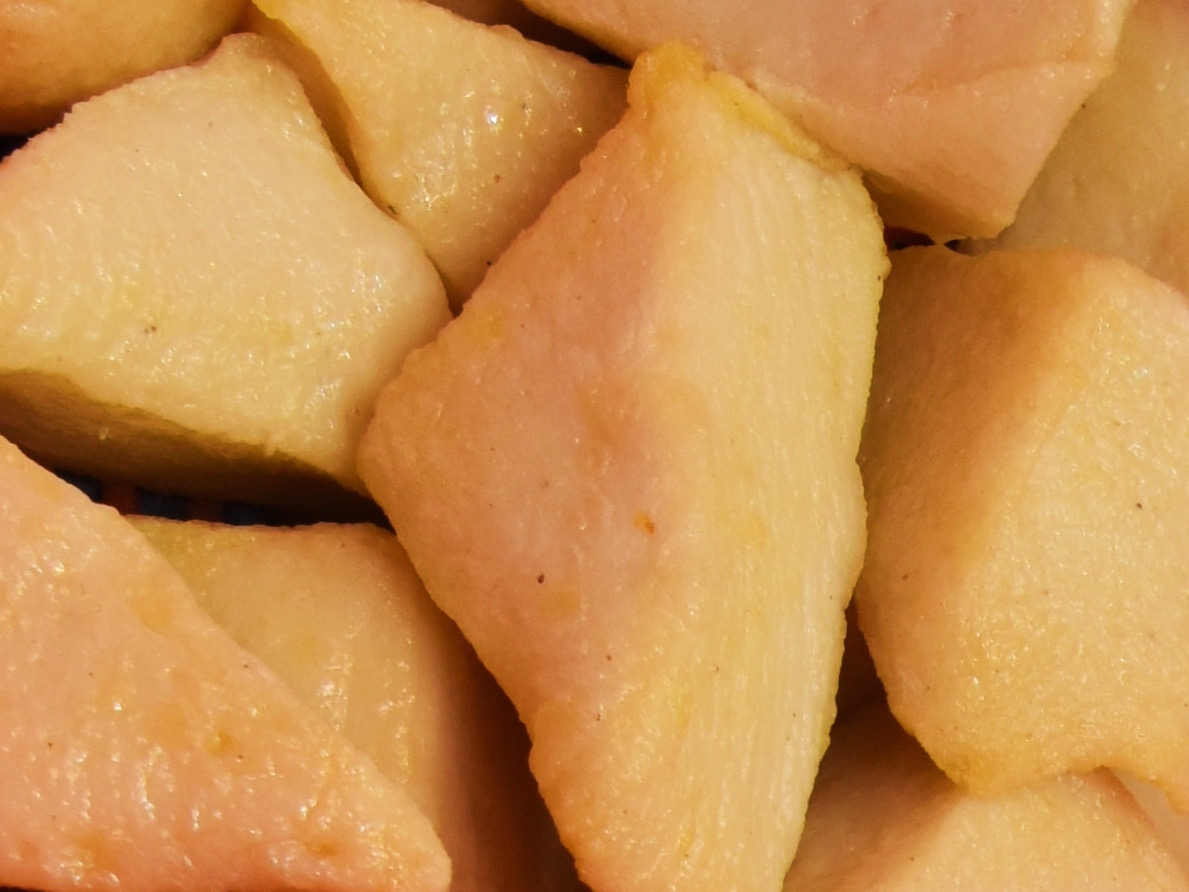
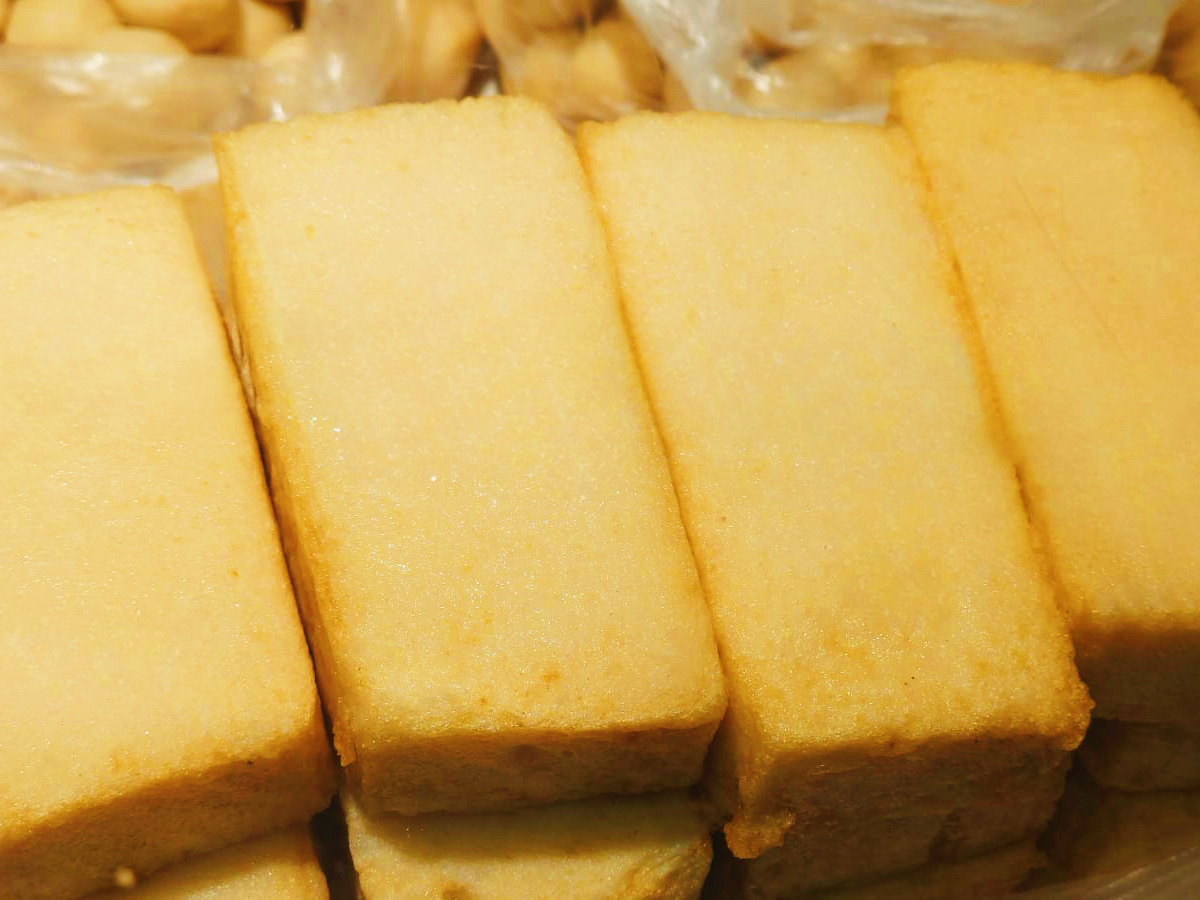
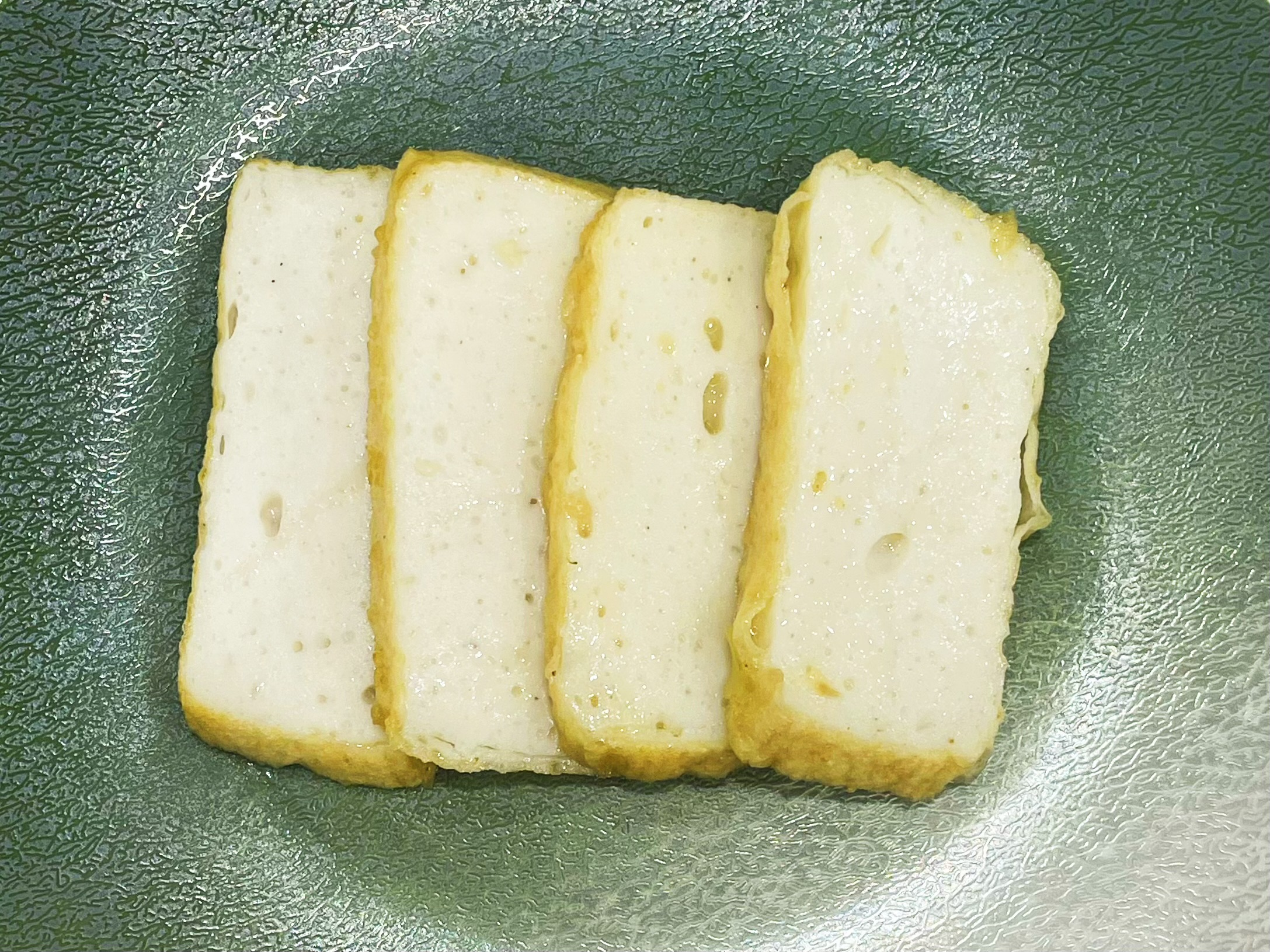
“Fish balls / fish cakes” is a food item common in Hong Kong that is made from ground fish and various other ingredients, and served in slices, or as a ball, a cube, a cake or other shapes. “Fish balls /fish cakes” must contain fish as one of the ingredients. CFS will, based on the claims as sold and the information on the packaging (e.g. the ingredients list on the food label of pre-packaged food), determine if the product is a “fish balls / fish cakes”, or obtain information of food ingredients from relevant manufacturers/suppliers if necessary. The following shows some common “fish balls / fish cakes” fulfilling the requirement above: |
 |
 |
 |
 |
 |
| Q5. | Does the ML of lead in corn syrups apply to the syrups which needs further processing? |
| A5. |
The ML of lead in corn syrups applies to all corn syrups intended for human consumption, including the corn syrups used as an ingredient in the preparation of food (such as used as an ingredient in preparation of drinks in catering premises). However, if further purification/treatment of corn syrups is needed to become the end-product for human consumption, the ML does not apply to the untreated corn syrups. |
| Q6. |
What is “Salt from marshes, food grade”? How to determine if a salt product is “Salt from marshes, food grade” so as to comply with relevant standard of lead in Cap. 132V? |
| A6. |
“Salt from marshes, food grade” is made through evaporation of water from seawater by sun and wind over large areas known as salt marshes. As the salt concentration of seawater increases to supersaturation, the salt is deposited and harvested by hand. The trade needs to provide evidence that the salt product is made by the aforesaid method such as information on food label so as to comply with the ML of lead in “Salt from marshes, food grade”. Otherwise, the salt product needs to comply with the ML of lead in “Salt, food grade, other than salt from marshes, food grade”. |
| Q7. |
What is the ML of lead in a drink which is prepared by mixing wine with grape juice? Are the MLs of lead in wine or grape juice in Cap. 132V apply to that drink? |
| A7. |
The Cap. 132V stipulated the ML of lead in wine at 0.2 mg/kg. The Amendment Regulation added a new ML of lead in grape juice at 0.04 mg/kg. As stipulated in regulation 3(4) of Cap. 132V, “if all ingredients of a compounded food are specified food, the ML of a specified metal in the compounded food is the sum of the ML of the specified metal in each ingredient multiplied by the proportion, by weight, of the ingredient in the compounded food.” Ingredient means any substance which is used in the manufacture or preparation of food and becomes part of the food as finished, even if in altered form, but excludes any additive within the meaning of regulation 2(1) of the Food and Drugs (Composition and Labelling) Regulations (Cap. 132 sub. Leg. W). Please refer to the Guidelines on Food Adulteration (Metallic Contamination) Regulations for details. |
The Frequently Asked Questions for the Food Adulteration (Metallic Contamination) (Amendment) Regulation 2018 could be found in the following website .
https://www.cfs.gov.hk/english/whatsnew/whatsnew_fstr/whatsnew_fstr_PA_Food_Adulteration_Metallic_Contamination_FAQ_Metals.html
Centre for Food Safety
Food and Environmental Hygiene Department
August 2025