
Feature Article
Prepared Dishes - What Should We be Aware of?
In recent years, prepared dishes have gained popularity due to their convenience. However, concerns have been raised about their potential food safety risks. So, what should we be mindful of regarding this type of food?
What are Prepared Dishes?
Prepared dishes generally refer to finished or semi-finished dishes made from one or more food ingredients that have been processed (e.g., cutting, mixing, marinating, kneading, flavouring) and/or prepared (e.g., frying, roasting, boiling, steaming).
While the term "prepared dishes" is relatively new, the concept is not. From soft-centred eggs to spicy crayfish, a variety of familiar foods that can be classified as prepared dishes have long been available in the market.
Key Factors Affecting the Food Safety Risks of Prepared Dishes
Raw materials and manufacturing process
To ensure the quality and safety of prepared dishes, raw materials that meet local food safety standards should be used. The food trade should maintain proper food transaction records to enhance traceability.
Microbial contamination is the major concern during the manufacturing process of prepared dishes. Therefore, it is critical to ensure that prepared dishes are processed appropriately (e.g., adequate heating) to effectively control the microbiological risks of the final products.
Storage and transportation
Since quite a number of prepared dishes are stored refrigerated or frozen, it is crucial to ensure that the cold chain is well maintained throughout the storage and transportation process. The goal of maintaining the cold chain is to prevent prepared dishes from falling within the "temperature danger zone" between 4°C and 60°C, where bacteria grow rapidly. Moreover, the packaging of prepared dishes should include information such as storage conditions and cooking time, temperature and methods, for consumers' easy reference.
Safety Management of Prepared Dishes
Manufacturers of prepared dishes should consider adopting a food safety management system, such as the Hazard Analysis and Critical Control Point (HACCP) system, to identify and control food safety issues at every stage of the production process. HACCP focuses on proactive prevention by anticipating potential issues across all stages from production and processing to distribution and consumption. In Hong Kong, prepared dishes are subject to the food safety requirements as stipulated in the Public Health and Municipal Services Ordinance (Cap. 132). Besides, under Section 54 of Cap. 132, all food available for sale in Hong Kong, including prepared dishes, shall be fit for human consumption.
Currently, the Centre for Food Safety (CFS) implements a risk-based surveillance programme for food available for sale in Hong Kong, including prepared dishes. From 2023 to 2024, over 1,000 food samples that could be classified as prepared dishes were tested, with only one sample of pre-packaged chilled crayfish found unsatisfactory due to possible contamination with Listeria monocytogenes. Test results of the remaining samples were satisfactory. The CFS has taken appropriate follow-up actions on the unsatisfactory sample.
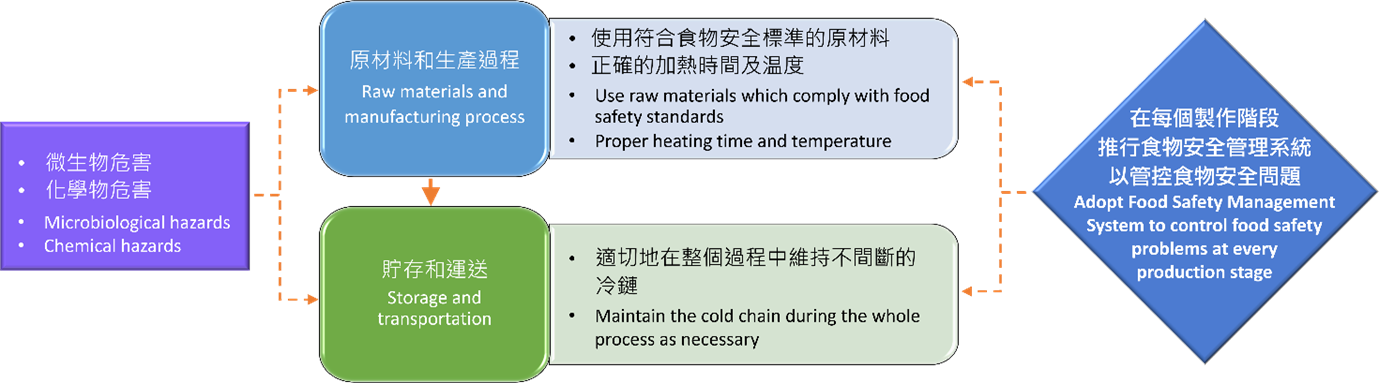
Figure 1: Key factors affecting the food safety of prepared dishes
Points to Note
- While the term "prepared dishes" is relatively new, the concept is not.
- Prepared dishes are subject to the food safety requirements as stipulated in the Public Health and Municipal Services Ordinance (Cap. 132).
- Raw material quality, manufacturing processes, and storage and transportation conditions are key factors for maintaining the safety of prepared dishes.
Advice to Consumers
- Before purchasing, check the expiration dates and the wholesomeness of prepared dishes.
- After purchasing, store prepared dishes according to the instructions on the packaging.
- Before consumption, handle prepared dishes according to the instructions on the packaging, including cooking time, temperature and methods.
- Read nutrition labels to make healthier food choices.
Additionally, a pamphlet entitled Prepared Dishes – Food Safety Advice for Food Businesses and Consumers, published by the CFS, provides practical information about prepared dishes.
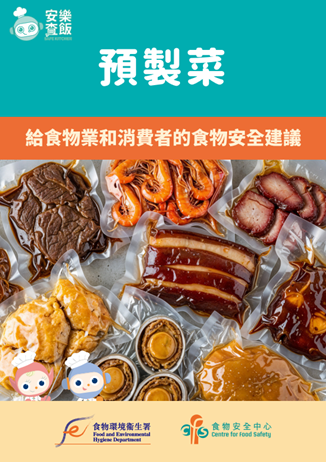
The pamphlet reminds us that every step from purchasing and storing to defrosting and reheating in handling prepared dishes requires careful attention. For example, prepared dishes must be reheated thoroughly until the core temperature reaches 75°C and defrosting at room temperature should be avoided. To find out more about this pamphlet and enjoy prepared dishes more safely and smartly, please scan the relevant QR code to view or download the pamphlet online.

Mascot ON in Lesson
Simple Dietary Practice for Sufficient Iodine Intake from a Balanced Diet
Iodine deficiency is one of the most common micronutrient deficiencies worldwide. This essential micronutrient must be obtained through diet, whether from natural or fortified food. Inadequate iodine intake disrupts thyroid hormone production, leading to a spectrum of adverse health outcomes collectively termed iodine deficiency disorders (IDDs). Notably, population-based surveys conducted by the Department of Health (DH) in recent years revealed that iodine intake was insufficient with mild iodine deficiency for local persons aged 35 or above.
This article provides practical ways to incorporate a variety of iodine-rich foods into our daily diets, aligning with the DH's "Healthy Eating Food Pyramid" (see Figure 2). Adopting these simple yet effective dietary practices can make a big difference in iodine intake, thus reducing the risk of IDDs and promoting lifelong health.
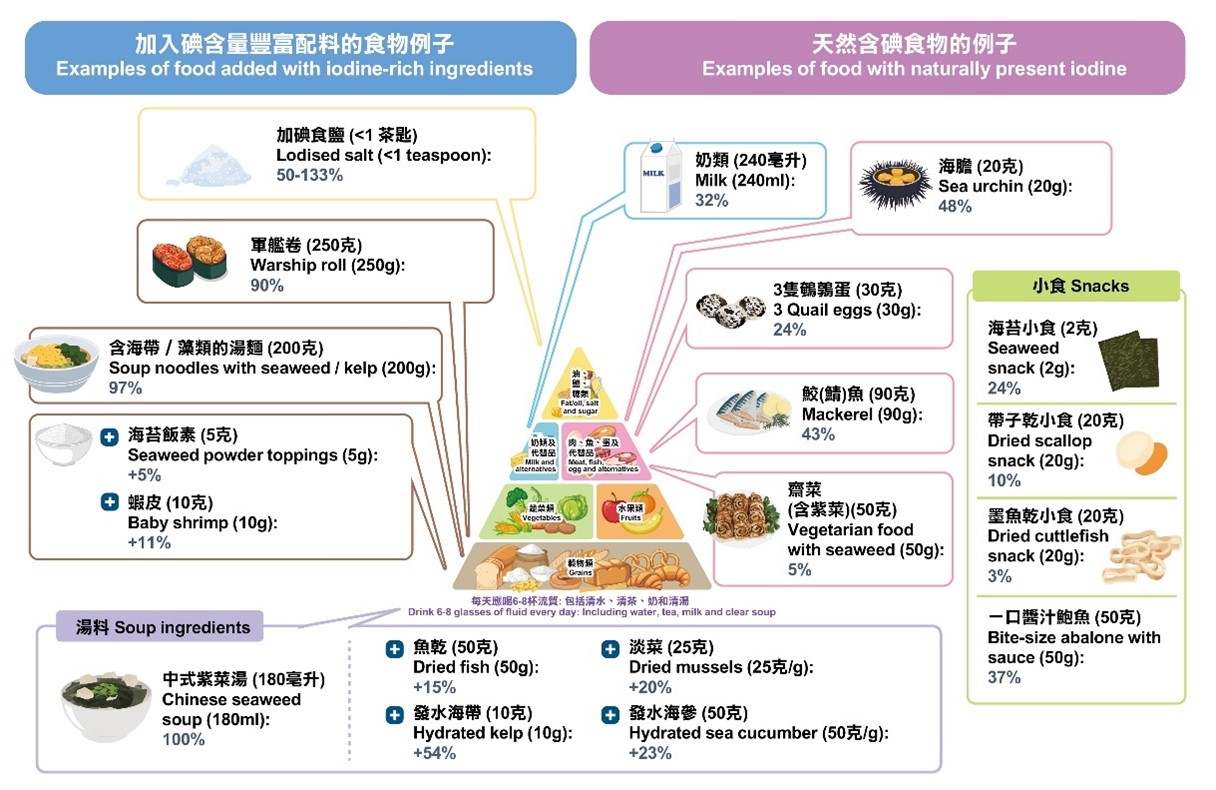
Figure 2: Follow a balanced diet based on the "Healthy Eating Food Pyramid" by incorporating the iodine-rich foods shown in the above figure will meet the recommended daily iodine intake of 150 μg.
Why is it Important to Get Sufficient Iodine Every Day?
IDDs can start before birth, posing significant risks to children’s survival and mental health. During pregnancy, serious iodine deficiency can even cause stillbirth and congenital abnormalities. Perhaps more insidiously, even mild to moderate deficiency can lead to neurocognitive impairments, diminishing intellectual capacity across the lifespan. Furthermore, iodine deficiency is the leading preventable cause of thyroid diseases, specifically underactive thyroid (hypothyroidism). Symptoms of hypothyroidism include severe tiredness, feeling cold, slow response, infertility, weight gain, an enlarged thyroid (goitre), miscarriage and menstrual disorders.
To prevent iodine deficiency, the World Health Organization (WHO) recommends a daily iodine intake of 120 μg for children aged 6 to 12, 150 μg for adolescents and adults, and 250 μg for pregnant or lactating women.
What is the Recommended Iodine Intake for the Public?
To review the local and overseas situation and scientific evidences on the prevention of IDDs and to make recommendations for local prevention, the Working Group on Prevention of Iodine Deficiency Disorders was jointly set up by the DH and the Centre for Food Safety (CFS) of the Food and Environmental Hygiene Department (FEHD), with representatives from the Hospital Authority, the Hong Kong College of Community Medicine, the Hong Kong College of Family Physicians, the Hong Kong College of Obstetricians and Gynaecologists, the Hong Kong College of Paediatricians, and the Hong Kong College of Physicians.
The Working Group emphasises two key recommendations in its joint proposal: (i) consume iodine-rich foods as part of a healthy balanced diet; (ii) use iodised salt while keeping total salt intake below 5 g per day as recommended by WHO.
Act Now to Boost Your Iodine Intake in a Balanced Diet!
Last year, the CFS reported the iodine contents of about 300 foods bought from local stores. As shown from Figure 2, adding selected foods into different food groups of the food pyramid can significantly contribute to meeting the daily iodine requirement of 150 μg.
Food Groups Added with Iodine-Rich Ingredients Lays a Good Foundation
While "Milk and Alternatives" and "Meat, Fish, Eggs and Alternatives" naturally contain iodine, "Grains" serves as a good vehicle for iodine-rich foods. Individuals who have to limit their consumption of the first two food groups can increase iodine intake through adding seaweed-containing vegetarian options. For example,
- 200 g of seaweed/kelp soup noodles can meet 97% of the daily iodine requirement
- 50 g of "mock duck" can meet 15% of the daily iodine requirement
- 5 g seaweed powder and 10 g baby shrimp can meet 5% and 11% of the daily iodine requirement respectively.
Additional Strategies for Increasing Iodine Intake
There are several practical ways to further increase iodine intake. First, for fluid intake, a bowl of Chinese seaweed soup (180 ml) can meet 100% of the daily iodine requirement. Preparing soups with seafood and seaweed ingredients can significantly increase iodine content, e.g., 25 g of dried mussels can meet 20% of the iodine intake requirement. Second, seaweed- and seafood- containing snacks can also supplement iodine easily, as 2 g of seaweed snacks and 20 g of dried scallop snacks can meet 24% and 10% of the iodine requirement respectively. Lastly, at the tip of the pyramid, a teaspoon (5 g) of iodised salt can meet 50% to 133% of the daily iodine requirement. These dietary modifications, if implemented consistently, can effectively address iodine insufficiency while maintaining nutritional balance. For comprehensive data on iodine contents, readers may refer to the CFS's webpage.
Advice to Consumers
- Consume iodine-rich foods as part of a healthy, balanced diet and use iodised salt.
- Add iodine-rich ingredients in the diet.
- Adopt practical ways to further increase iodine intake. Consult healthcare professionals concerning iodine intake if you have existing medical conditions or thyroid problems.
Dining Out
Say No to Tetrodotoxin!

What would you do in the face of a deadly temptation? Many people know that puffer fish contains a toxin, but they are not sure just how poisonous it is. Let’s hear what Mascot MUI has to say!
In general, tetrodotoxin (TTX) is more concentrated in the gonads (mainly ovary), liver, intestines and skin of puffer fish. However, certain species of puffer fish also contain TTX in their flesh. Moreover, the flesh of puffer fish may be contaminated by TTX in its internal organs and skin during dressing and preparation.
TTX is over 1,000 times more toxic than cyanide! Symptoms of TTX poisoning include:
- Numbness of the lips
- Tingling in the extremities
- Slurring of speech
- Muscle weakness
- Possible death resulting from respiratory or heart failure in severe cases
TTX is heat-stable and can withstand cooking at high temperatures. It cannot be eliminated by freezing or drying either! The scariest part is that there is currently no antidote for TTX poisoning. The only way to prevent TTX poisoning is to avoid consuming puffer fish.
For more TTX myths, check them out here:

Healthy Eating Basics and Smart Food Choices
Healthy Eating Basics
Decoding Food Labels
Decoding food labels takes a bit of work! When you look at labels on prepackaged food, have you ever wondered what messages are hidden in them?
A food label is kind of like the "identity card" of a food product. It contains the following information:
- Name of food;
- List of ingredients;
- Indication of durability;
- Special conditions for storage or instructions for use;
- Count, weight or volume;
- Name and address of manufacturer or packer; and
- Nutrition label.
For a detailed illustration of a food label, scan the relevant QR code and check out "Food Labelling – Providing Informed Choices for Consumers" in the 183rd Issue of Food Safety Focus:

There is more to decode in the list of ingredients, which are listed in descending order of weight or volume determined as at the time of their use when the food was packaged.
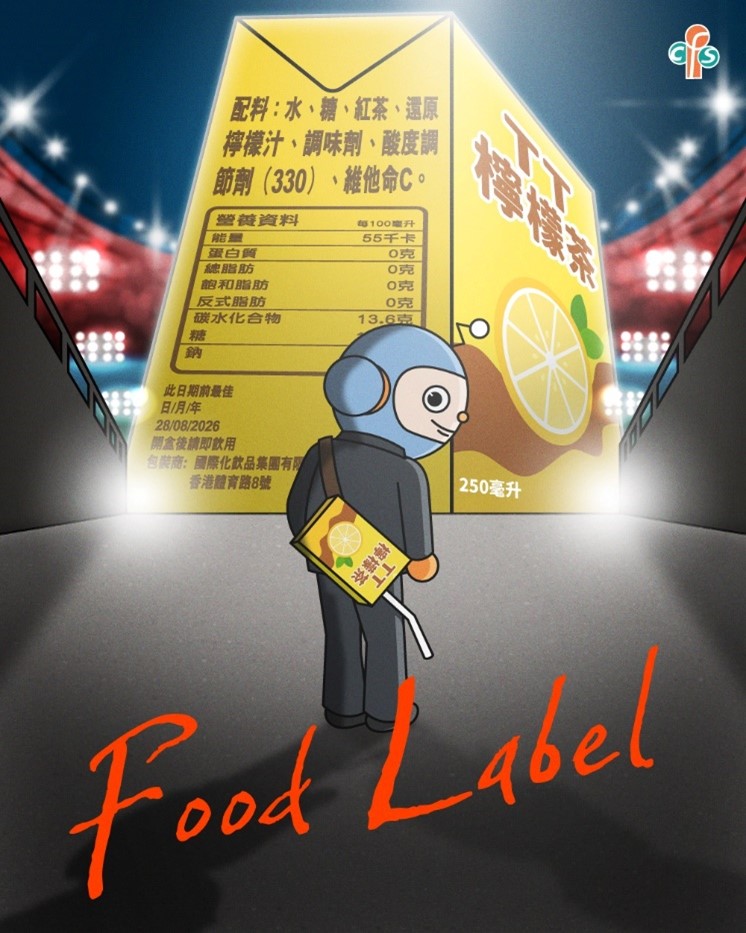
- Take the lemon tea in the above figure as an example. The ingredient with the highest content is water, followed by sugar, and the least is vitamin C.
- Any food additive used must be labelled with its functional class alongside its specific name or international identification number (INS).
- For instance, "acidity regulator" in the list of ingredients in the figure is a kind of food additives. "Acidity regulator" is the functional class and "330" is the INS for citric acid. To crack these codes yourself, check out the Codex General Standard for Food Additives on the website of the Codex Alimentarius Commission.

If an ingredient contains any food allergen specified in the legislation, it must also be labelled. How? Check out "Understanding Food Labels – Food Allergens" in the 123rd Issue of Food Safety Focus:

Food labels let us know what exactly we have eaten, help us choose suitable foods and tell consumers how to properly store and consume the food they purchase. Remember to take a closer look at them before you buy and consume food!
Smart Food Choices
Braised Chicken and Sweet Corn in Pumpkin Sauce with Rice
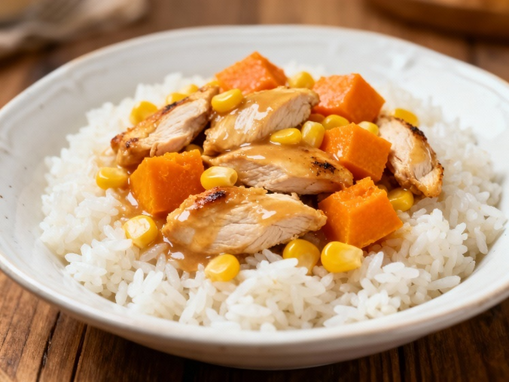
Fancy a healthy and satisfying meal? In this issue, we recommend "Braised Chicken and Sweet Corn in Pumpkin Sauce with Rice". The highlight is the homemade pumpkin sauce, which is free of additives, low in fat and sodium, and rich in carotene and vitamin A to protect your eyes and nourish your skin. It is perfect for health-conscious folks like you!
(Serve 1)
- Ingredients:
Pumpkin 100g
1 Onion
Chicken nuggets 142g
Corn kernels 20g
Green pepper, shredded 20g
Rice 285g
- Seasonings:
1/2 teaspoon of salt, 1/3 teaspoon of sugar, 1 teaspoon of corn starch
- Cooking Method:
- Peel and dice the pumpkin. Boil the pumpkin and the onion in 50 ml of water for 15 minutes. Blend the ingredients with 40 ml of boiled water until a smooth pumpkin sauce forms.
- Skin the chicken nuggets and wash thoroughly. Add 10 ml of water, then marinate with 1/4 teaspoon of salt, sugar and corn starch for 15 minutes.
- Boil water. Blanch the chicken nuggets until merely done. Blanch the corn kernels and shredded pepper as well, then drain.
- Heat the pumpkin sauce. Pour in the corn kernels, shredded bell pepper, chicken nuggets and the remaining 1/4 teaspoon of salt. Bring to the boil and serve with rice.
Just four simple steps and half an hour to get it done! This "3 low" healthy "meal-on-one-plate" with rice is not only low in oil, salt and sugar but also colourful and appetising. Give it a try now!
For details, here is the "Recipes":

News on CFS
1. Briefing for Students of Bachelor Programmes, Chinese University of Hong Kong (CUHK)
As before, the CFS held a briefing for students of the Bachelor of Science in Community Health Practice and Public Health programmes, Faculty of Medicine, CUHK on 3 November 2025 to give information on the role of the FEHD in food safety surveillance and control in Hong Kong so that the students can have a preliminary understanding of the work of the CFS, thereby facilitating their career planning for professional development.
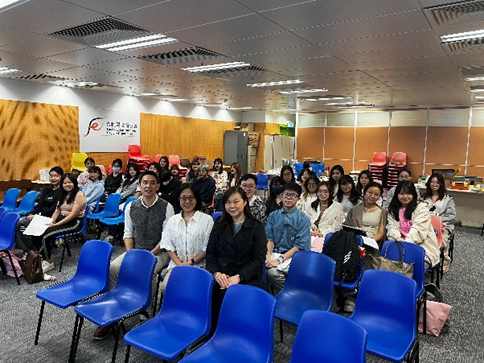
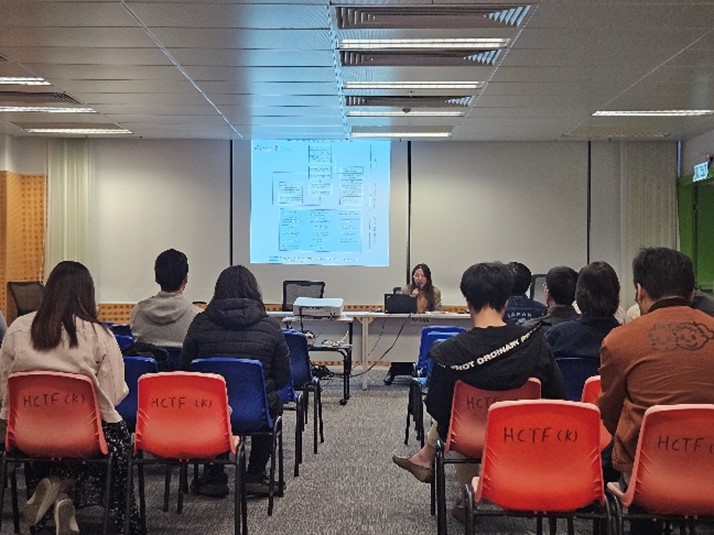
2. Talk on the Daya Bay Contingency Plan Held by CFS, FEHD
The CFS jointly organised an annual talk on the Daya Bay Contingency Plan with relevant government departments (including the DH and the Electrical and Mechanical Services Department) on 25 November 2025. On the day of the talk, departmental representatives took turns to share their respective areas of work, such as nuclear power generation, radiation monitoring, radiation exposure pathways, surveillance of imported food, management of contaminants and wastes, radiation devices, and protective equipment monitoring, so as to update our colleagues on the contingency plan.
3. Food Safety Seminar for Trade 2025 Held by CFS
On 4 December 2025, the CFS held a Food Safety Seminar for Trade 2025, which aimed to provide an opportunity for the Government and the food trade to exchange information and views on current and important food safety issues in Hong Kong, and encourage continuous improvement and collaboration in securing local food safety among the trade.
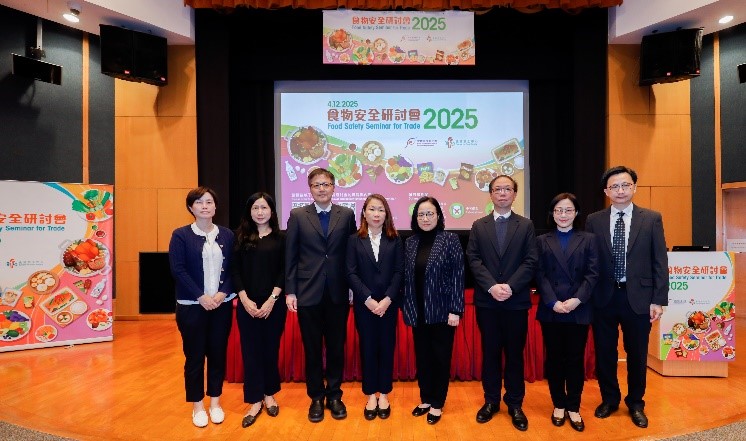
The seminar, held at Hong Kong Central Library, consisted of four sessions, namely Expert Sharing, Producing Safe Food, Legislation and Guidelines, and Food Trade Facilitation Measures. The seminar was divided into the morning and the afternoon parts, with question-and-answer sessions for trade representatives to ask questions.
For details of the event, please visit the following webpage or scan the relevant QR code:
https://www.cfs.gov.hk/english/whatsnew/whatsnew_act/Food_Safety_Seminar_for_Trade_2025.html
4. The 91st Meeting of the Trade Consultation Forum
The 91st meeting of the Trade Consultation Forum was held on 12 December 2025. The CFS and the trade exchanged their views on topics including "How to Address Anti-microbial Resistance (AMR) in Food for Food Businesses", "Promotion of Food Trader Portal (FTP)", and "Recommendations on Food Manufacturer Registration for Hong Kong-Manufactured Meat and Dairy Products Imported to the Mainland".

For details of the event, please visit the following webpage or scan the relevant QR code:
https://www.cfs.gov.hk/english/committee/Notes_and_Presentation_Materials_TCF91_20251212.html
5. CFS's Participation in the 59h Hong Kong Brands and Products Expo
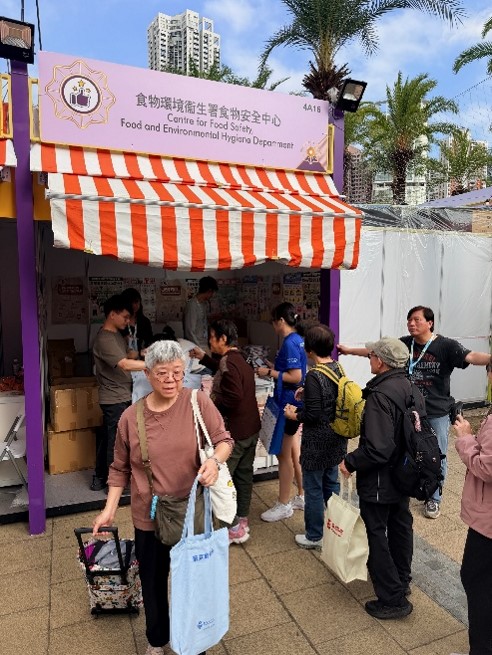
The annual Hong Kong Brands and Products Expo is one of the major outdoor trade fairs in Hong Kong. The 59th Expo was held at Victoria Park in late December 2025. As before, the CFS participated in the Expo to disseminate food safety messages to the public. For two consecutive days on 29 and 30 December 2025, the CFS set up a booth and distributed publicity leaflets, pamphlets and souvenirs in the Expo to promote food safety. The booth was bustling with visitors.
Ask Our Mascots
Be Aware of the Risks Involved Before Cross-boundary Online Shopping for Food
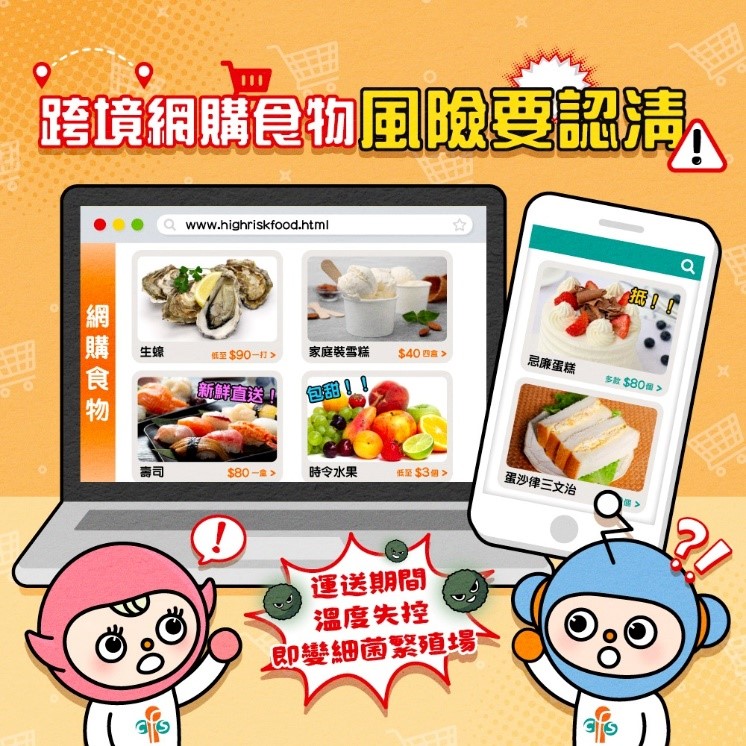
While price is certainly one of the factors to consider when shopping for food online, food safety is even more important. Consumers have to be smart about their choices to get what they truly like while eating with peace of mind. In addition to patronising reliable shops, consumers should also be aware of the nature of and the potential safety risks associated with the food items.
Our mascots would like to remind consumers that some high-moisture, high-protein foods, such as oysters, sashimi, sushi, ice-cream and cakes, already carry a higher microbiological risk. If such foods need to be delivered over a long distance or even across the border to Hong Kong without proper control on the storage temperature and time during the journey, they can easily become breeding grounds for bacteria, spoil rapidly, and might even cause food poisoning. In the end, not only will you fail to save money, but you could also end up paying with your health.
What is more, according to the Imported Game, Meat, Poultry and Eggs Regulations (Cap. 132AK), if any person imports or brings game, meat, poultry or eggs into Hong Kong, such foods shall be accompanied by a health certificate issued by an issuing entity of the place of origin or an import permission issued by the FEHD.
To learn more about "Maintaining Food Safety for Online Grocery Shopping", please scan the relevant QR code.

Food Safety Quiz
- Which of the following is not a key factor affecting the food safety risks of prepared dishes?
-
Quality of raw materials.
-
Microbial contamination control during the manufacturing process.
-
Maintenance of the cold chain during the storage and transportation process.
-
The advertising methods for prepared dishes.
-
- According to the recommendations of the WHO, which of the following groups of individuals should have a daily iodine intake of 250 μg?
-
Children aged 6 to 12.
-
Adolescents and adults.
-
Pregnant or lactating women.
-
Elderly persons over 65.
-
- Which of the following food items can meet 100% of the daily iodine requirement?
-
50 g of "mock duck".
-
A bowl of Chinese seaweed soup (180 ml).
-
5 g of seaweed powder.
-
20 g of dried scallop snacks
-

Diary of Mascot ON
Ordering takeaway Is Not That Simple
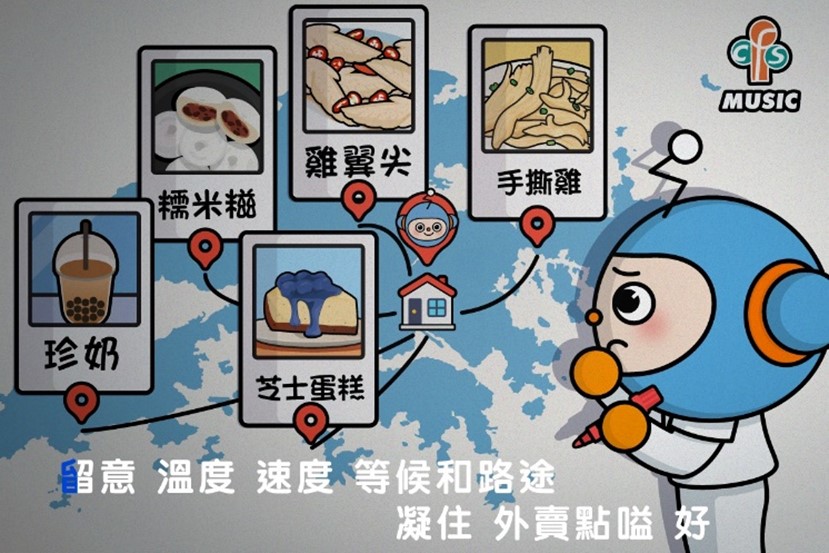
Nowadays, food delivery Apps and online shopping are so convenient that delicacies from all over Hong Kong can be delivered right to your door. However, hot and humid weather is conducive to bacterial growth. When ordering takeaway in such weather, you should pay special attention to the time and temperature control during delivery.
If your order has to travel a long way or even cross the border, it can easily become a breeding ground for pathogens while sitting in the heat pending delivery. Consuming it will not satisfy your stomach; instead, it may upset your stomach. Bear in mind that food stays in the “temperature danger zone” (including at room temperature) for more than four hours is no longer safe to eat.
Therefore, ordering takeaway is not that simple. It is not just about picking something tasty and good value; what matters most is food safety. Let’s listen to Mascot ON for what we should watch out for:
- Food nature (Is it cold food or hot food?) and food safety risks (Is it high-risk food which is raw or undercooked?)
- Time required for delivery (Is the restaurant too far away from your location? That could mean the food ends up remaining in the "temperature danger zone" for an extended period, resulting in bacterial growth.)
- Storage temperature of the food during transportation (Is cold food stored at 4℃ or below and hot food at 60℃ above?)