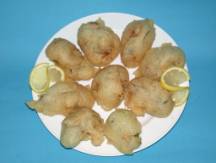
 As oyster and other shellfish are filter-feeders and thus concentrate microorganisms in sea-water, they are easily contaminated by viruses (e.g. Hepatitis A and Norwalk-like viruses). Consumption of undercooked oyster with viruses contaminated poses a high risk of virus infection and thus may cause illness.
Assurance of food safety relies on tri-partite collaboration among government, food trade and the general public. Food trade is responsible for selling safe food and food handlers should always aware of ensuring consumers' food safety. In the preparation of oyster (e.g. deep-fried oyster, braised oyster with ginger and spring onion, and braised oyster with port) food handlers are recommended to observe environmental and utensils hygiene. Food handlers are also reminded to take the following precautions:
- Purchase
Buy oyster from reliable suppliers. When inspecting the incoming goods, ensure that oyster is fresh and free from abnormal odour. Whenever in doubt of the source of oyster, stop purchasing and preparing it. - Blanching
To eliminate viruses and harmful bacteria in oyster, scald in boiling water for not less than 3 minutes after washing thoroughly. - Cooking
Cook the blanched oyster as soon as possible. Especially, in the preparation of deep-fried oyster, cook batter thoroughly by frying oyster in batter in boiling oil until golden brown in colour. Discard the batter that left daily. - Personal Hygiene
Keep hands clean. Wash hands thoroughly with soap and water before handling food and after visiting the toilet to prevent cross contamination. Food handlers with symptoms of vomiting or diarrhoea should not handle food.